


Why a food tour is a must-do in Lisbon

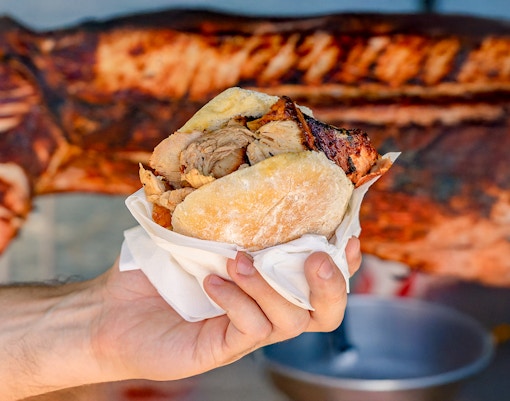
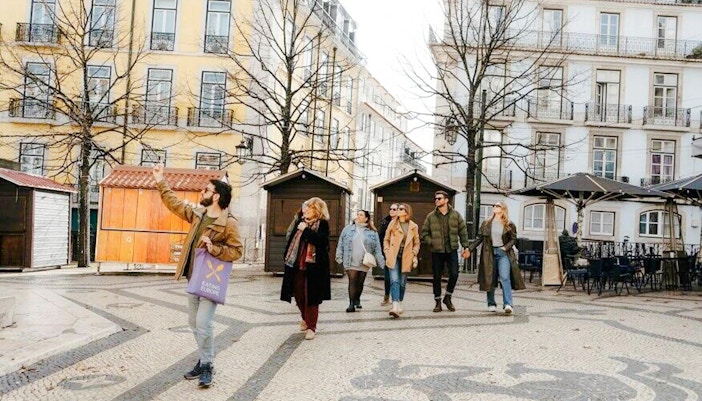
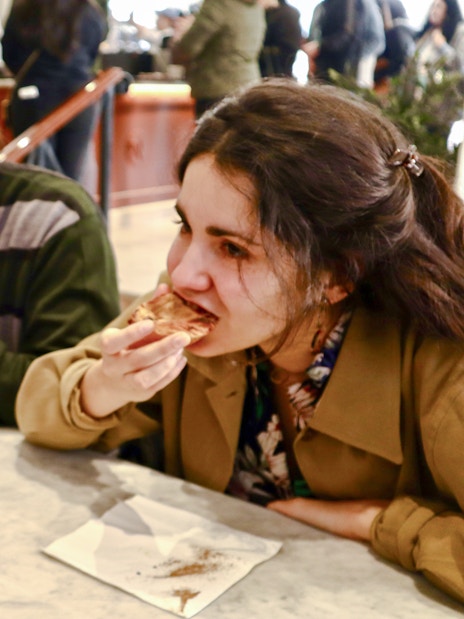
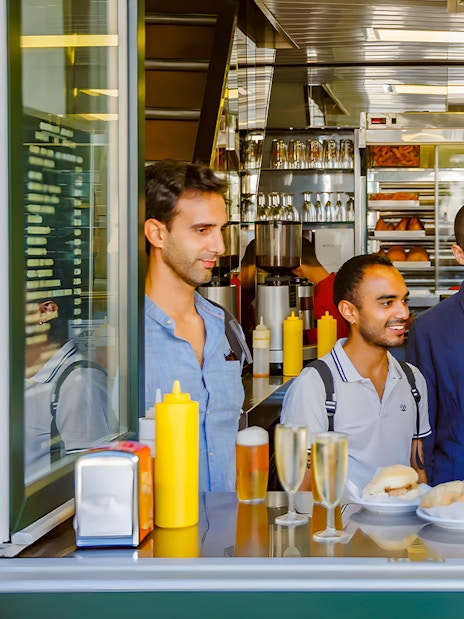
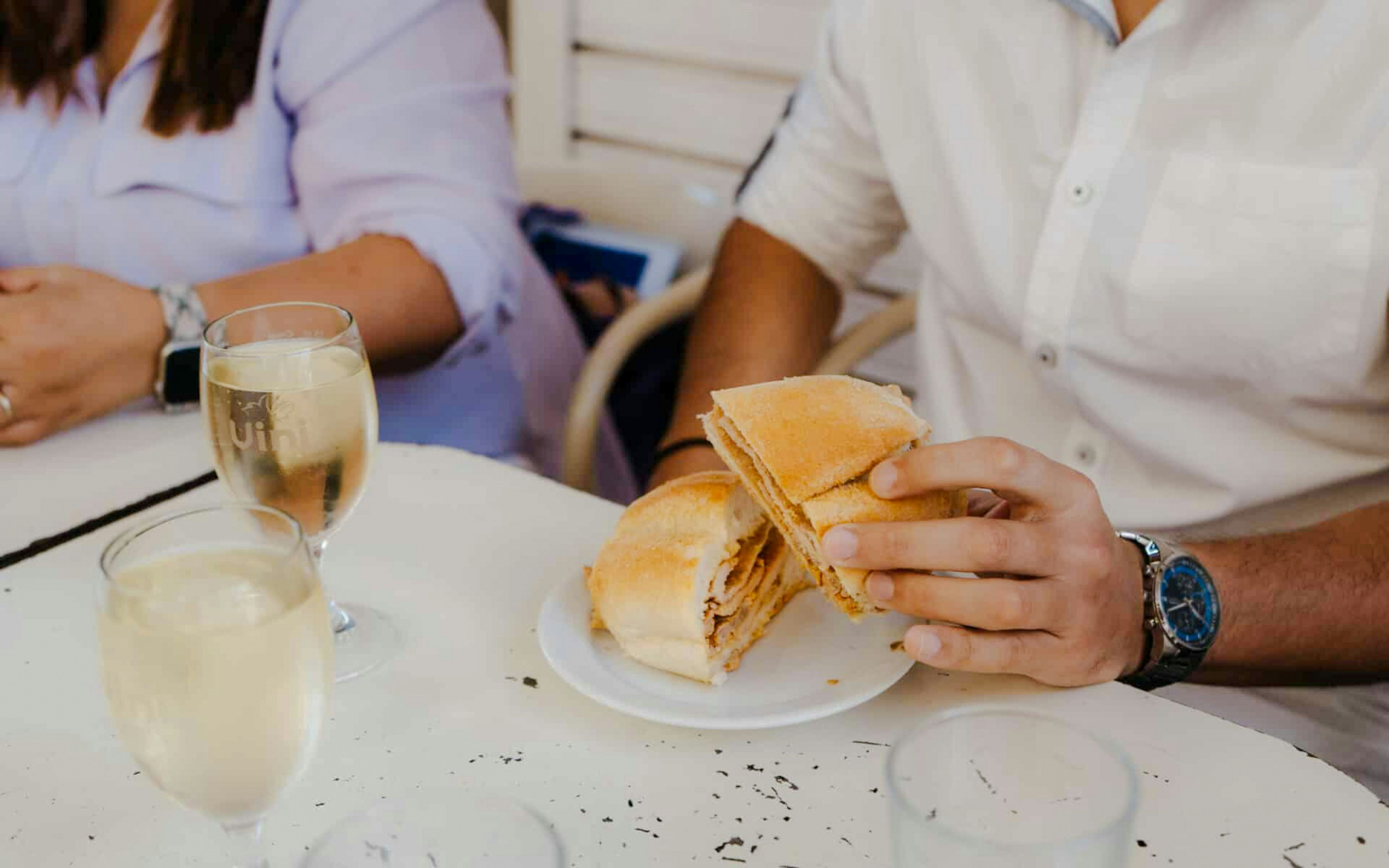
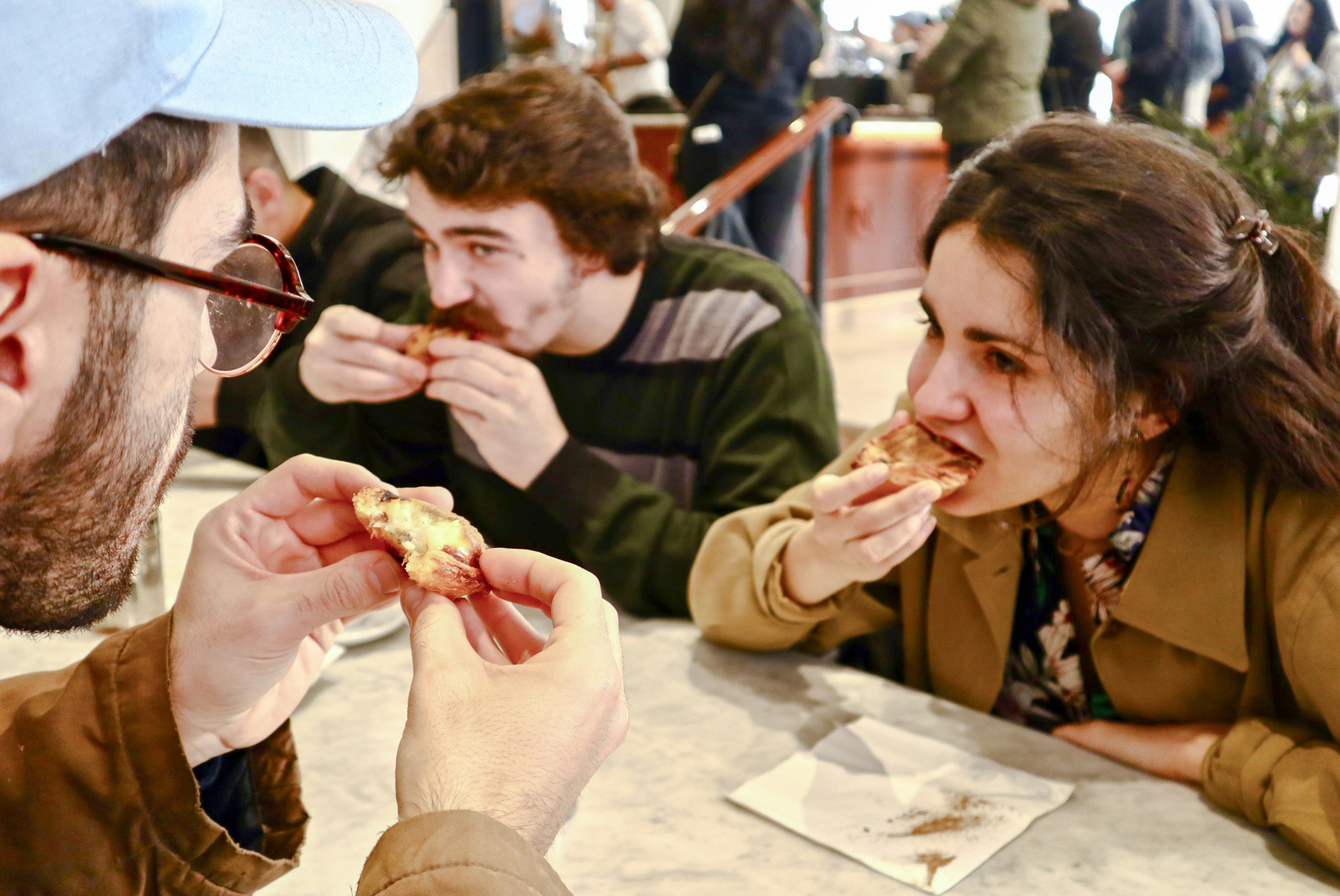
Person enjoying bifana sandwich on Lisbon Food Tour in Portugal.
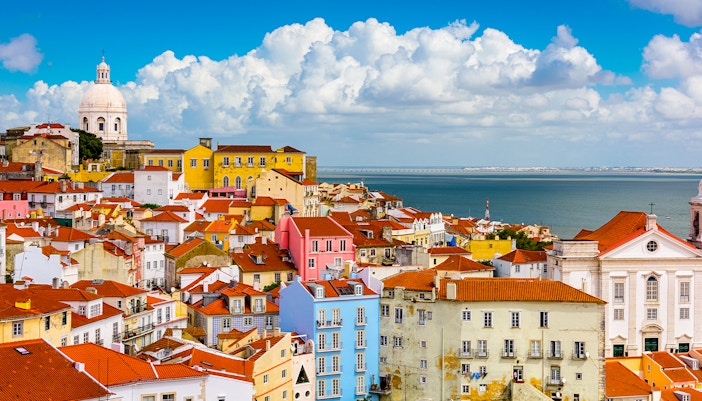
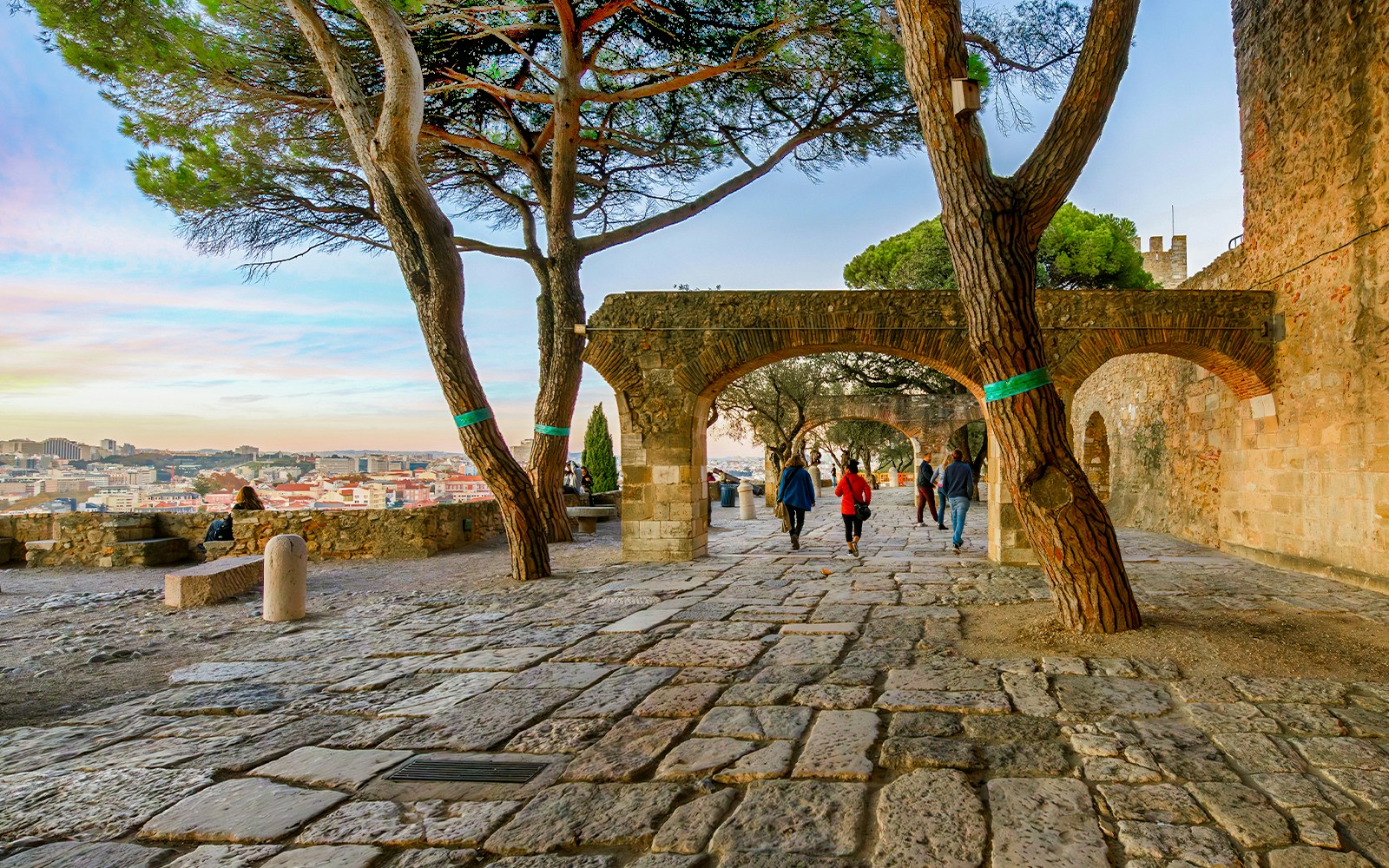
Visitors on terrace of São Jorge Castle overlooking Alfama and Baixa districts in Lisbon at sunset.
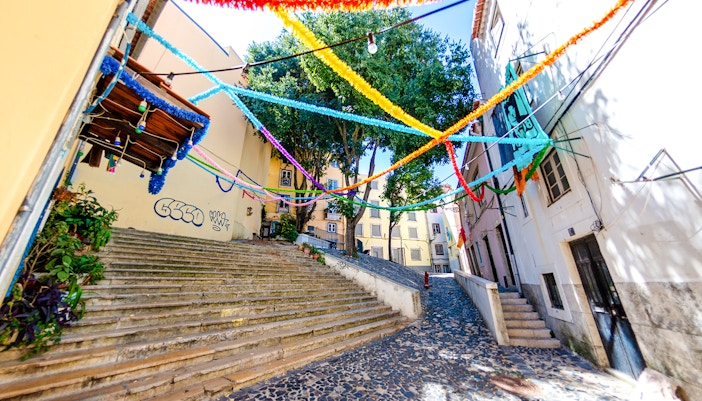
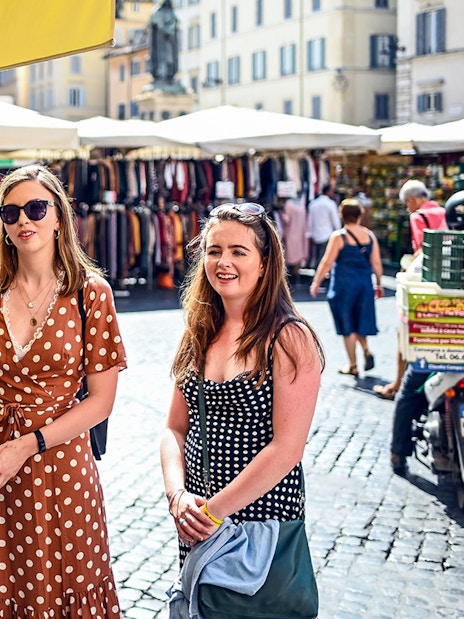
Girls exploring a vibrant market in Rome during a food tour.
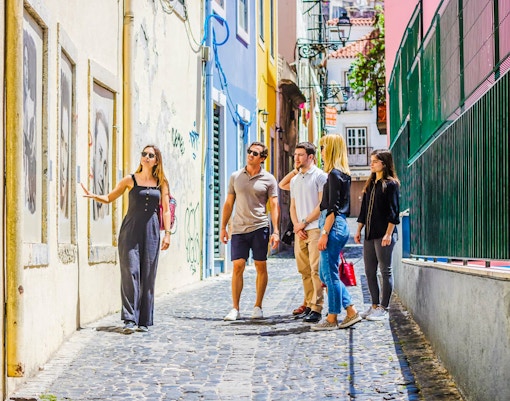
Tour group sampling Pastel de Nata on Lisbon food tour.
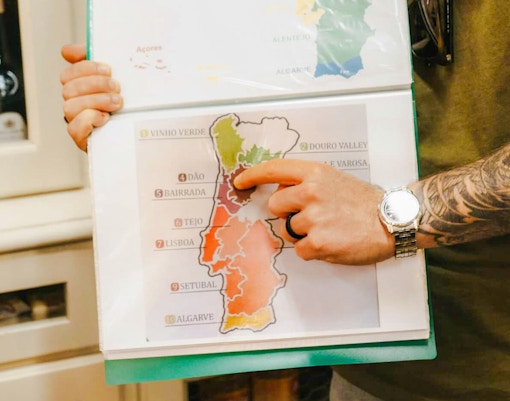
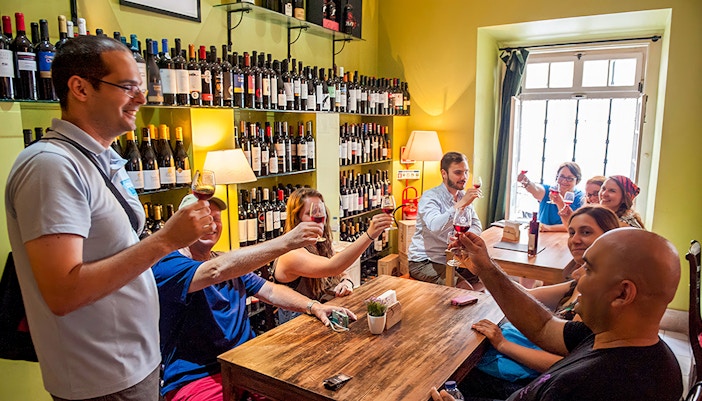
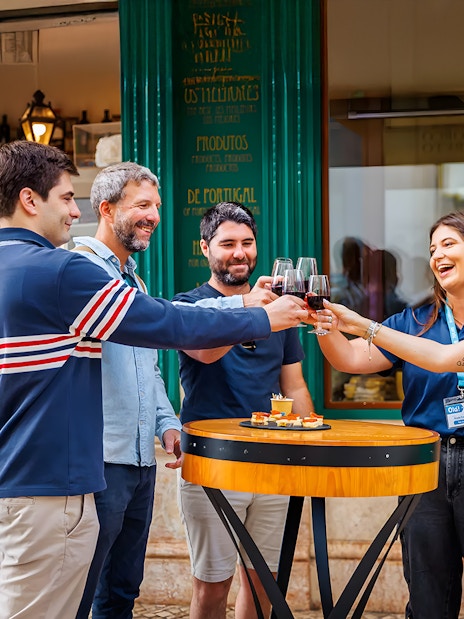
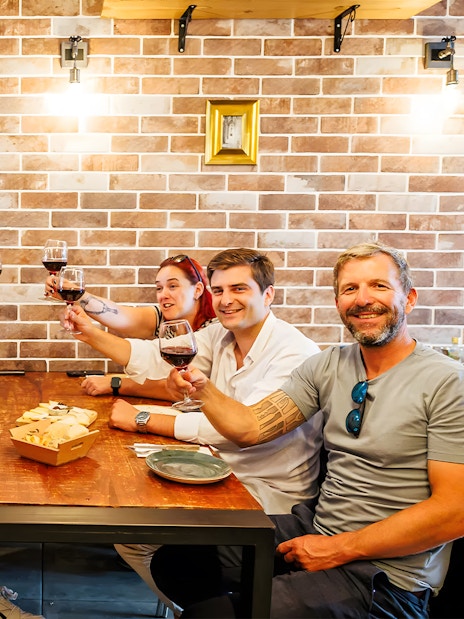
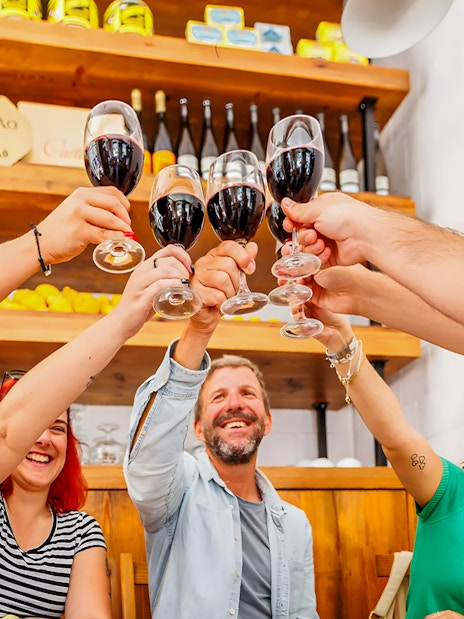
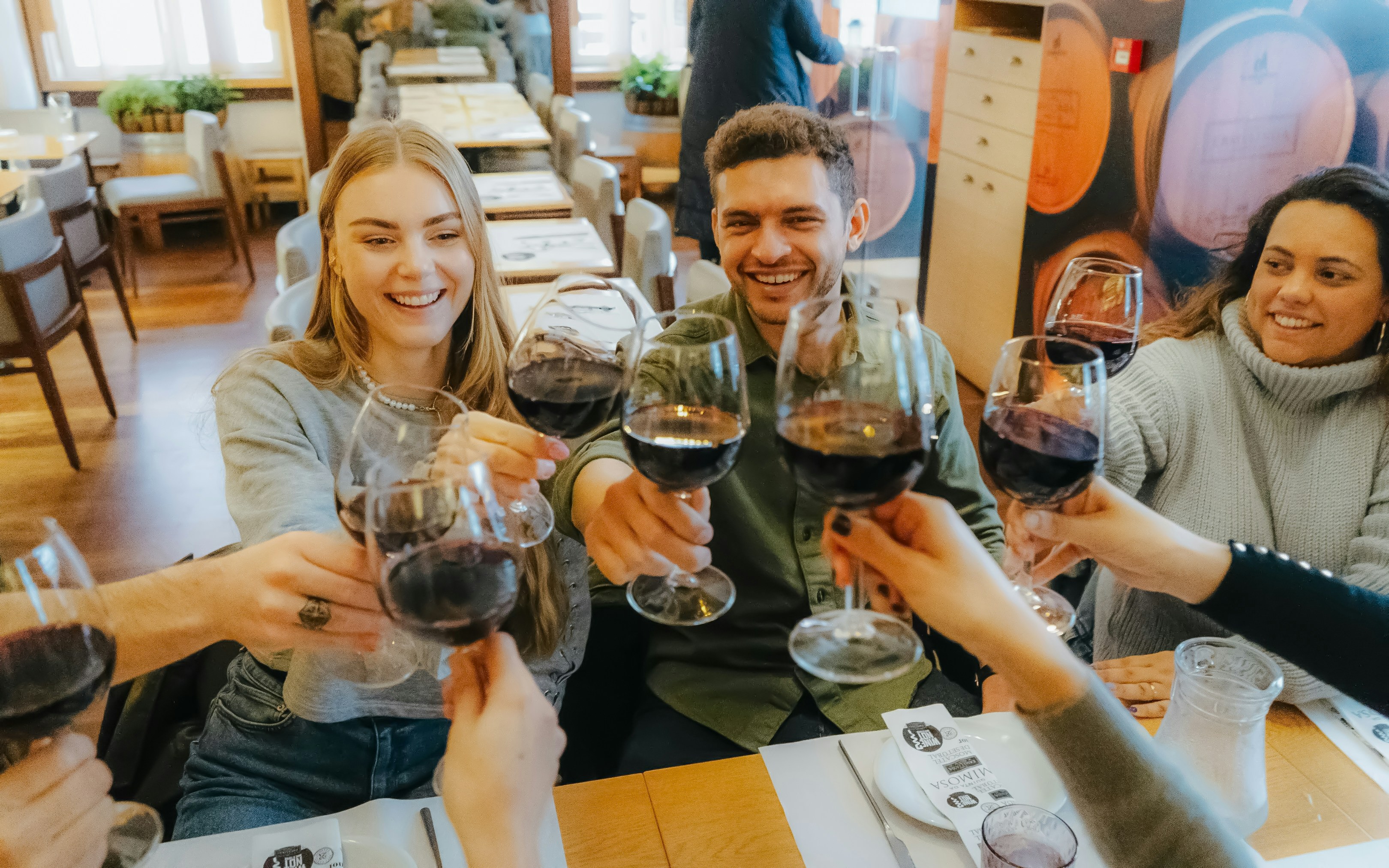
Group toasting with wine glasses during Lisbon food tour.
1/5

Eat like a local

From salt-cured bacalhau to sizzling bifana sandwiches, discover the authentic flavors that fuel everyday life beyond the tourist-favorite pastel de nata. Dive into the city's vibrant culinary soul that locals cherish daily.

Hidden gems in ancient quarters

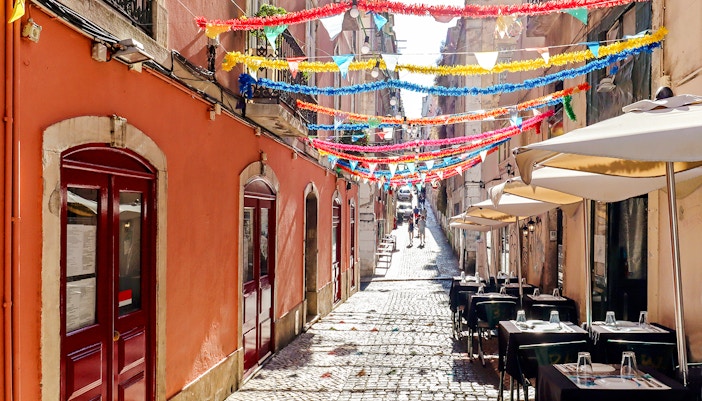
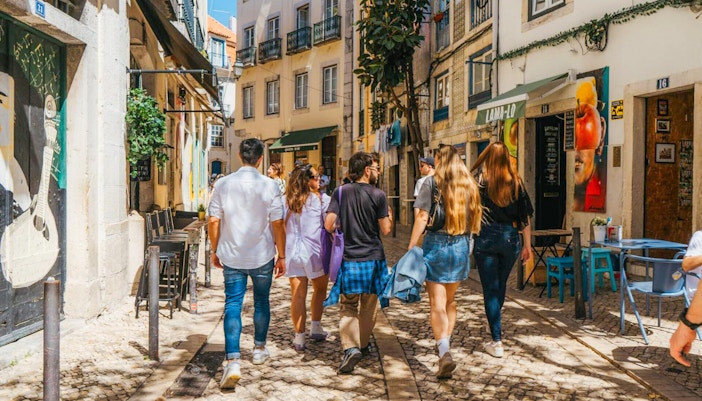
Lose yourself in Alfama's winding medieval lanes, clink glasses in Bairro Alto's lively taverns, and feast at Mouraria's bustling multicultural food stalls. Each cobblestoned corner reveals its own distinct gastronomic heritage.

A melting pot of flavors

Lisbon's cuisine tells the story of empires. Moorish spices mingling with discoveries from far-flung colonies. Expert-led food tours unveil this centuries-old fusion history through each carefully selected bite.

Taste the culture

Your culinary journey goes deeper than ingredients. Learn the rituals, table customs, and food traditions that open windows into Portuguese identity and daily life.

Perfect for all kinds of travelers

Whether you're a solo adventurer, traveling with kids, pressed for time, or a wine enthusiast, Lisbon offers specialized culinary experiences tailored precisely to your tastes and schedule.

Which food tour is best for you?

Short on time?

Go for: Mouraria food tour

Duration: 3-3.5hours

What to expect: Stay grounded in Mouraria and savor a slower, richer food journey. This small-group tour is packed with personal stories, tasty surprises, and a “secret dish”, great if you’re pressed for time or love local flavor.

Book the secret food tour in Lisbon

Comfort first kind of traveler

Go for: Tuk tuk food tour

Duration: 4 hours

What to expect: Perfect if you want to explore more of Lisbon without wearing out your shoes. This breezy tuk tuk ride lets you cover iconic neighborhoods like Baixa, Alfama, and Mouraria with ease—no hills, just bites and beautiful views.

Book the tuk tuk food tour in Lisbon
A fan of unique experiences

Go for: Chiado and Baixa food tour

Duration: 4 hours

What to expect: Designed for curious travelers and culture lovers, this tour blends iconic dishes with hidden gems—like an underground church restaurant and the world’s oldest bookstore—for an unforgettable taste of Lisbon.

Book the classic food tour of Chiado & Baixa

Eat like a local

Go for: Food tour with access to a Fado house

Duration: 4 hours

What to expect: Skip the touristy stops and head straight to where the locals go. This tour explores off-the-beaten-path areas and includes VIP access to a Fado House, where the chef will serve you something special.

Book the hidden Lisbon food tour

Lisbon’s culinary culture

  • Meal timings: Lunch usually runs from 12 to 2pm, with locals often starting around 1pm. Dinner begins late, often around 8 or 8:30pm.
  • Coffee culture: Bica (Portuguese espresso) is a daily ritual. Locals pop into cafés for quick sips or linger to chat.
  • Snacking style: Afternoon snacks (lanche da tarde) are popular, featuring both sweet and savory options like pastéis de nata, pão com chouriço, and bifana sandwiches.
  • Wine pairings: Portuguese meals are often complemented by local wines. Popular pairings include Azeitão cheese with Moscatel and Queijo da Serra with a robust Dão red.
  • Tipping: It isn’t mandatory, but is appreciated. In restaurants, 5–10% is customary for good service. In cafés and bars, rounding up or leaving small change is common. Always check if a service charge is included.
  • Dining vibe: Meals are leisurely and unhurried. Outdoor dining is popular in warm weather, with many places offering sidewalk tables. 

Where you’ll have the best Lisbon foods

Alfama

Known for: Hearty, home-style Portuguese cooking—grilled sardines, bacalhau, and petiscos—often served with a side of live Fado music in cozy, candlelit taverns.

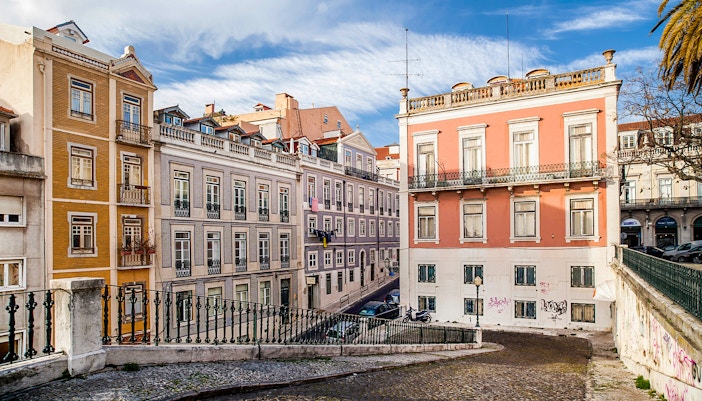
Atmosphere: Alfama is a maze of narrow streets, red-tiled roofs, and age-old charm. Think intimate, family-run restaurants nestled between tile-covered homes and tiny chapels.

Why go with a guide: Alfama isn’t easy to navigate solo. A local guide will not only show you how to find the best Fado venues and hidden eateries, but also share stories that bring the food and music to life.

Baixa

Known for: A blend of tradition and innovation, Baixa serves up everything from street food favorites like bifanas and pastéis de nata to modern fusion cuisine.

Atmosphere: This is Lisbon’s downtown—busy, grand, and tourist-friendly. Baixa’s broad boulevards and tiled squares are ideal for people-watching and snacking on the go.

Why go with a guide: Skip the tourist menus and discover back alleys where real tascas thrive. Guides also point out the historical layers hidden behind the city’s most photogenic facades.

Mouraria

Known for: A deliciously diverse area where you’ll find Goan curries, Cape Verdean stews, Nepalese momos, and Portuguese comfort dishes like bifanas and alheira.

Atmosphere: Mouraria is raw, real, and full of color. With street art on the walls and music in the air, this is where locals live, eat, and celebrate everyday life.

Why go with a guide: You need a local’s insight to find the true gems in Mouraria’s melting pot. They’ll help you discover the best under-the-radar kitchens and explain how global flavors became part of Lisbon’s food identity.

Bairro Alto

Known for: Snack your way through petiscos (Portuguese tapas), hearty tascas, and global bites before diving into cocktails and local wines. Bairro Alto is where food and nightlife collide.

Atmosphere: Streets fill with laughter, music, and the clinking of glasses. It’s a favorite with locals, tourists, and the LGBTQ+ community alike.

Why go with a guide: A local guide helps you find authentic taverns before the party crowds arrive, and maybe even score a seat at a tucked-away bar with killer views.

Chiado

Known for: Chiado is pastry and poetry rolled into one—expect pastéis de nata in ornate cafés, gourmet twists on classics, and local wines in upscale eateries.

Atmosphere: Sophisticated and artsy with a dash of old-world charm. This is Lisbon’s literary and cultural hub, where you can pair a custard tart with a Fernando Pessoa quote.

Why go with a guide: Your guide will recommend the best confeitarias and guide you to beautiful eateries tucked behind bookstores and galleries.

What to eat in Lisbon
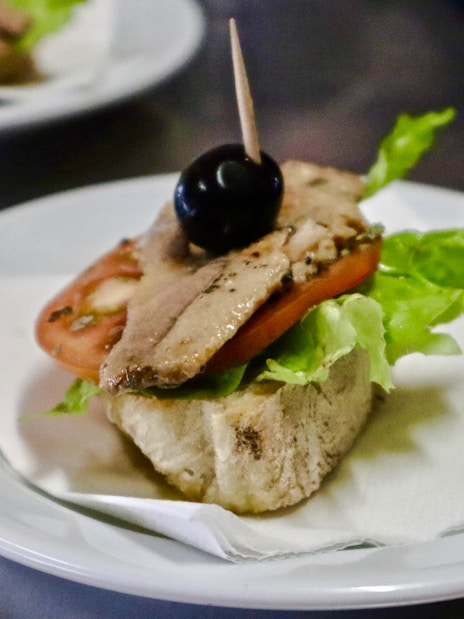
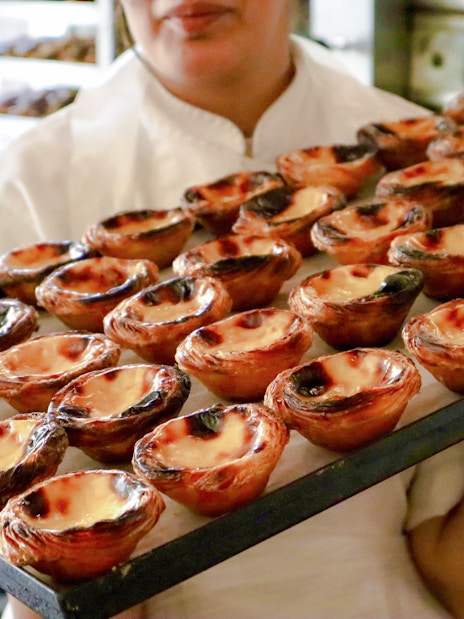
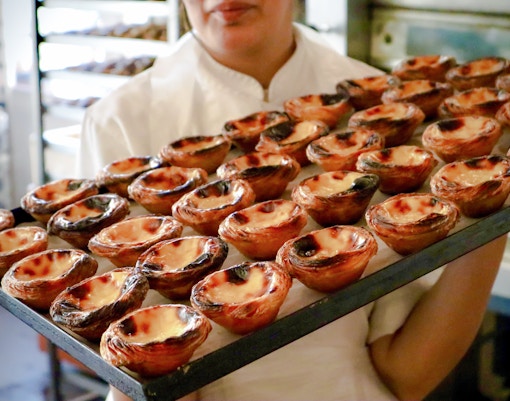
Pastel de Nata

Creamy custard tarts with a caramelized top and flaky crust. Best enjoyed warm, straight from the bakery oven.

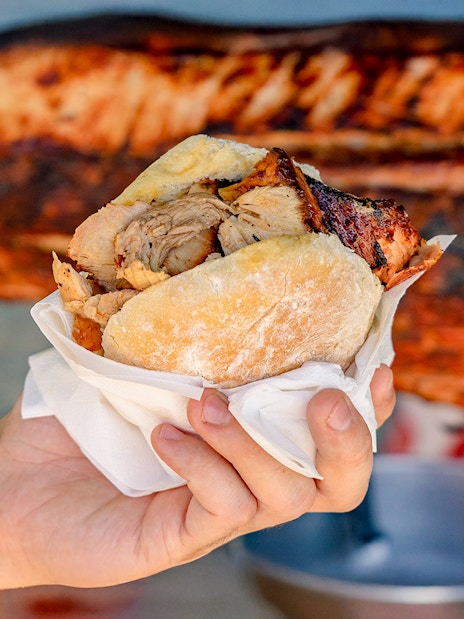
Bifana

Thin slices of pork marinated in garlic and spices, served in a soft bun. A no-frills Portuguese classic that packs a punch.

Bacalhau à Brás

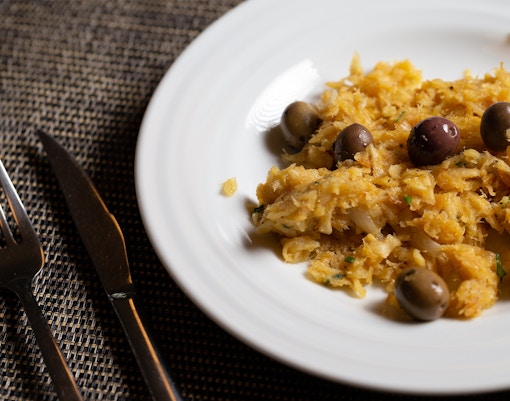
Salted cod stir-fried with scrambled eggs, onions, and crispy potato matchsticks. This one is a comfort food with a local twist.

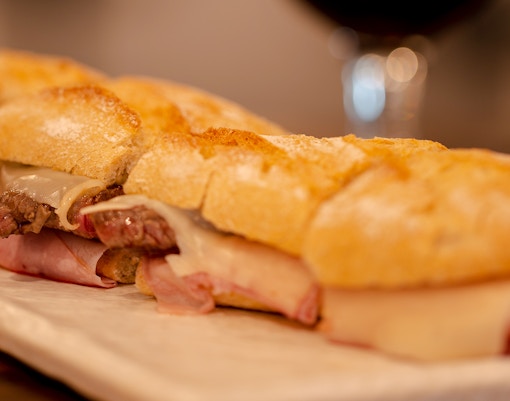
Prego no pão

Juicy garlic steak tucked inside crusty bread, sometimes with a smear of mustard or melted cheese.

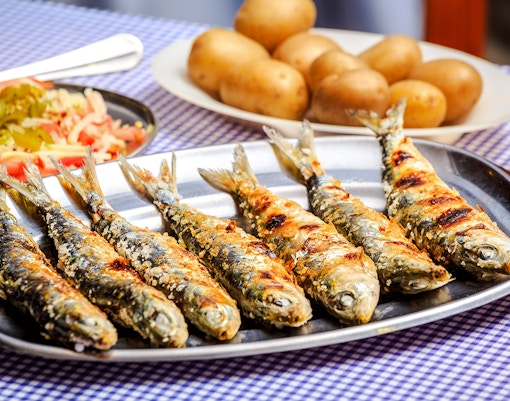
Grilled sardines

Charred to perfection over open flames and drizzled with olive oil. A summertime staple during Lisbon’s street festivals.

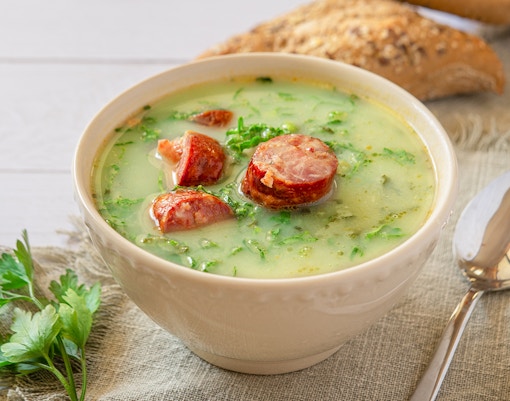
Caldo Verde

A simple yet deeply satisfying soup made with potatoes, shredded kale, and slices of smoky chouriço sausage.

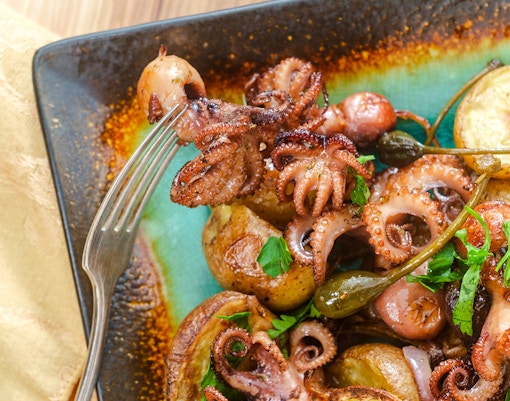
Polvo à Lagareiro

Tender octopus roasted with olive oil, garlic, and potatoes. A beautifully rustic dish that highlights the Portuguese soft spot for seafood.

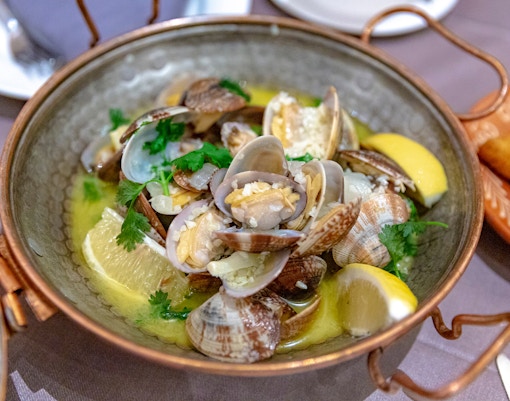
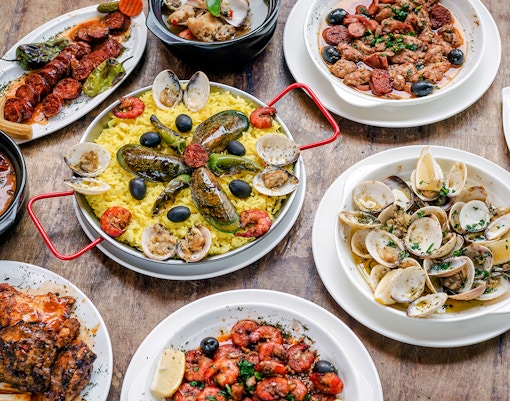
Ameijoas à Bulhão Pato

Clams sautéed in garlic, olive oil, white wine, and cilantro. Light, aromatic, and perfect with crusty bread.

Arroz de Marisco

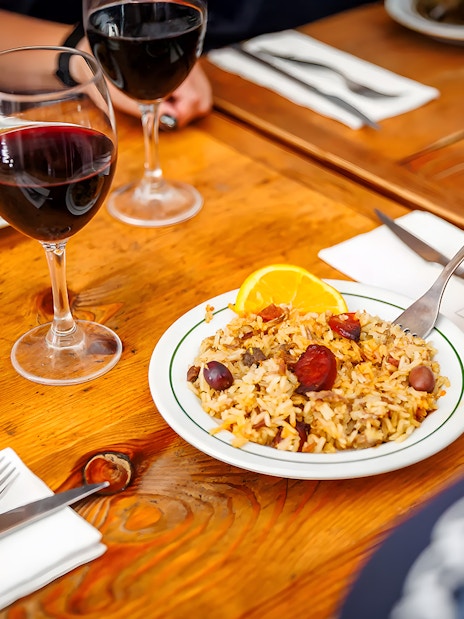
A rich, tomato-based seafood rice dish bursting with clams, mussels, shrimp, and flavor. Think of it as Portugal’s answer to paella.

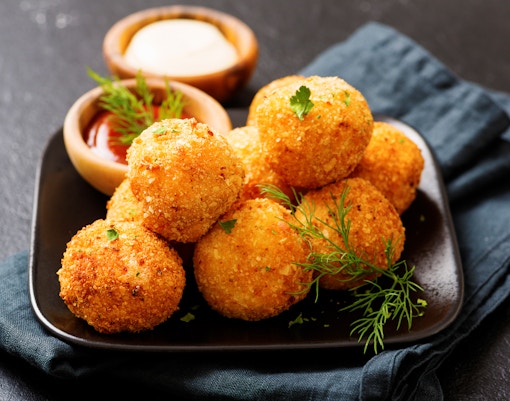
Croquettes

Crunchy on the outside, creamy within. These deep-fried bites are usually stuffed with beef, chicken, or cod.

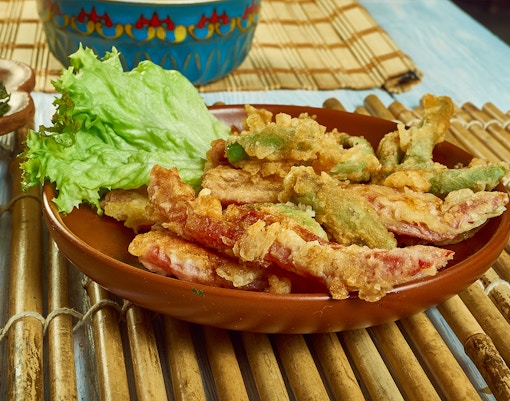
Peixinhos da Horta

Crispy battered green beans, the Portuguese precursor to Japanese tempura. Light, crunchy, and addictive.

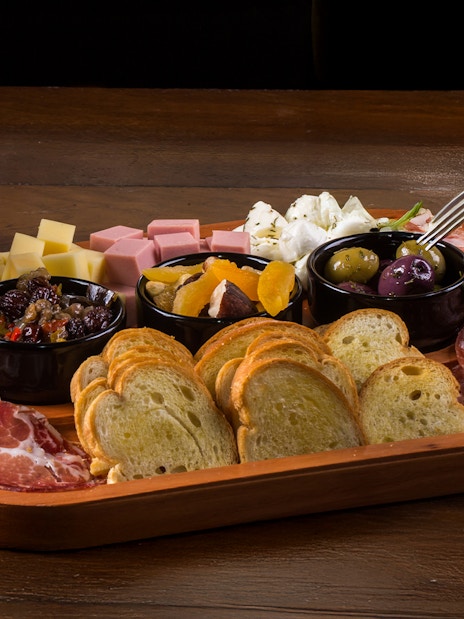
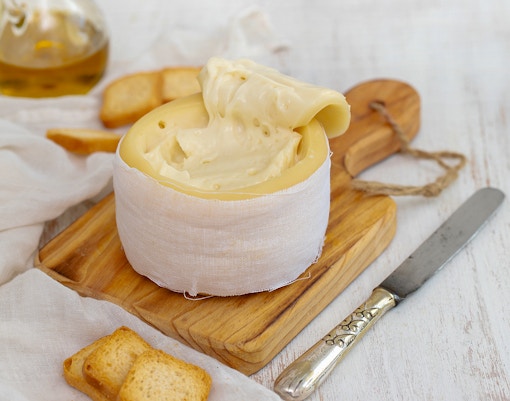
Portuguese cheeses

Crafted by hand and aged with care, Portuguese cheeses offer bold flavors and old-world charm in every bite.

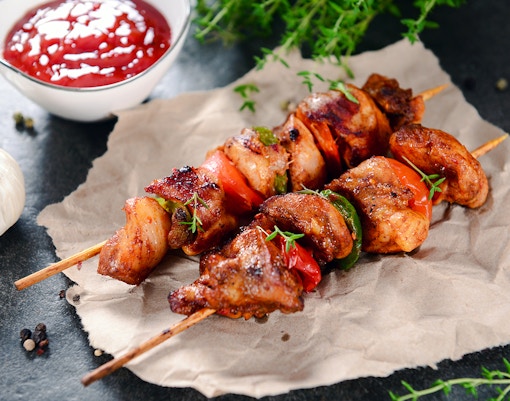
Chicken skewers

Chargrilled chicken skewers seasoned with piri-piri or herbs. It’s a street food staple with bold, smoky flavors.

Mozambican samosas

Spicy, triangular pastries inspired by Portugal’s colonial ties with Mozambique. Often filled with minced meat or curried veg.

Tapas

From garlicky prawns to artisanal cheeses, Lisbon’s tapas scene reimagines the Spanish staple with bold, local flavors.

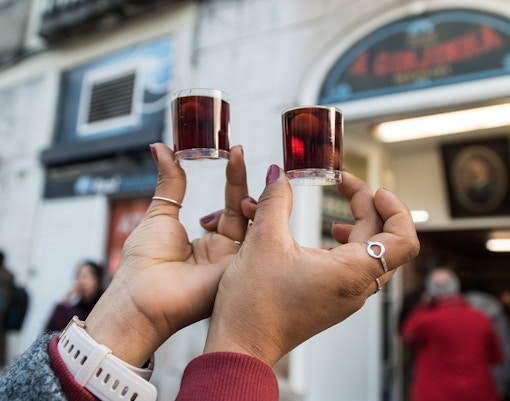
Ginjinha

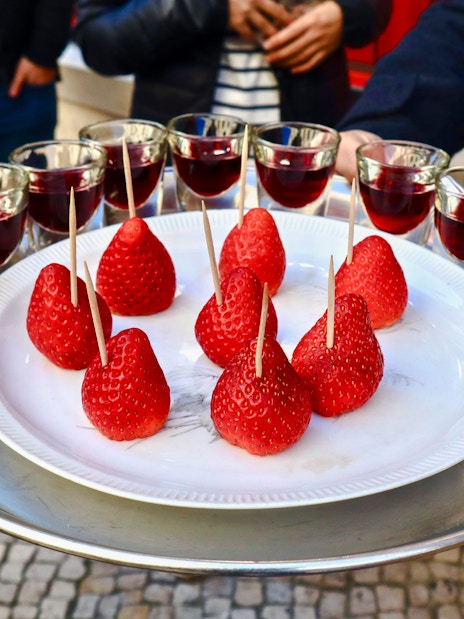
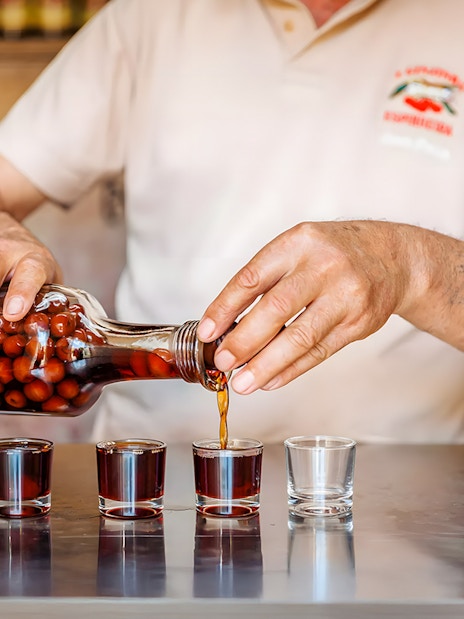
This sour cherry liqueur is sipped in tiny cups at hole-in-the-wall bars. It’s sweet, strong, and proudly Lisbon.

Tips for a tasty Lisbon experience

  • Let your guide know about dietary restrictions in advance. If you have life-threatening allergies, avoid the tour.
  • Vegetarian options are usually available upon request, though many traditional Portuguese dishes include eggs, so you may miss out on iconic treats like pastel de nata.
  • Portion sizes can be generous, pace yourself!
  • Wear comfortable shoes, Lisbon has lots of cobblestones and uphill paths.
  • Book early during weekends and the high season.
  • Be open to unexpected flavors like octopus salad or pork fat snacks.
  • Use public transport (metro or tram) or walk; parking is scarce near the meeting point.
  • Ask questions. Guides love sharing food stories and tips.

Best time to take a food tour

Season

Spring (Apr-June) and Fall (Sept-Oct) offer perfect weather for walking and fresh seafood.

Time of day

Evening tours offer golden light, cooler temps, and a lively atmosphere.

Festivals

June is ideal for sardines, sangria, and São João celebrations.

Frequently asked questions about food tours in Lisbon
Yes, just inform your guide. Avoid the tour if you have any severe or life-threatening allergies.