Plan your visit to Fátima | Travel guide

Organizing your visit 

  1. Top attractions
  2. How to get there
  3. Getting around
  4. More things to do
  5. Where to eat
  6. Where to shop
  7. Local tips

How to visit Fátima from Lisbon

Overview

  • Fátima is a purpose-driven place centered around faith, reflection, and ritual. Most visitors come for the Sanctuary of Our Lady of Fátima, but the experience is shaped by timing, crowds, and how you arrive. 
  • Whether you’re stopping briefly or spending a full day, planning your route and pace makes a huge difference to how meaningful and manageable your visit feels.

Travel logistics

  • Most travelers visit Fátima from Lisbon as a day trip, either independently or on a guided tour. 
  • Buses are the most direct DIY option, dropping you close to the sanctuary complex. Trains are slower and require onward transport from the station. Driving offers flexibility, but parking fills quickly on pilgrimage days. 
  • Guided tours simplify everything, with round-trip transfers, structured timing, and zero navigation stress, especially useful if you’re combining Fátima with Nazaré or Sintra in one day.

Plan your day

  • Quick visit (2–3 hours): Sanctuary of Our Lady of Fátima ➜ Chapel of the Apparitions ➜ Short walk across the main esplanade
  • Half day (4–5 hours): Basilica of Our Lady of the Rosary ➜ Chapel of the Apparitions ➜ Basilica of the Holy Trinity ➜ Free time for quiet reflection or candle offerings
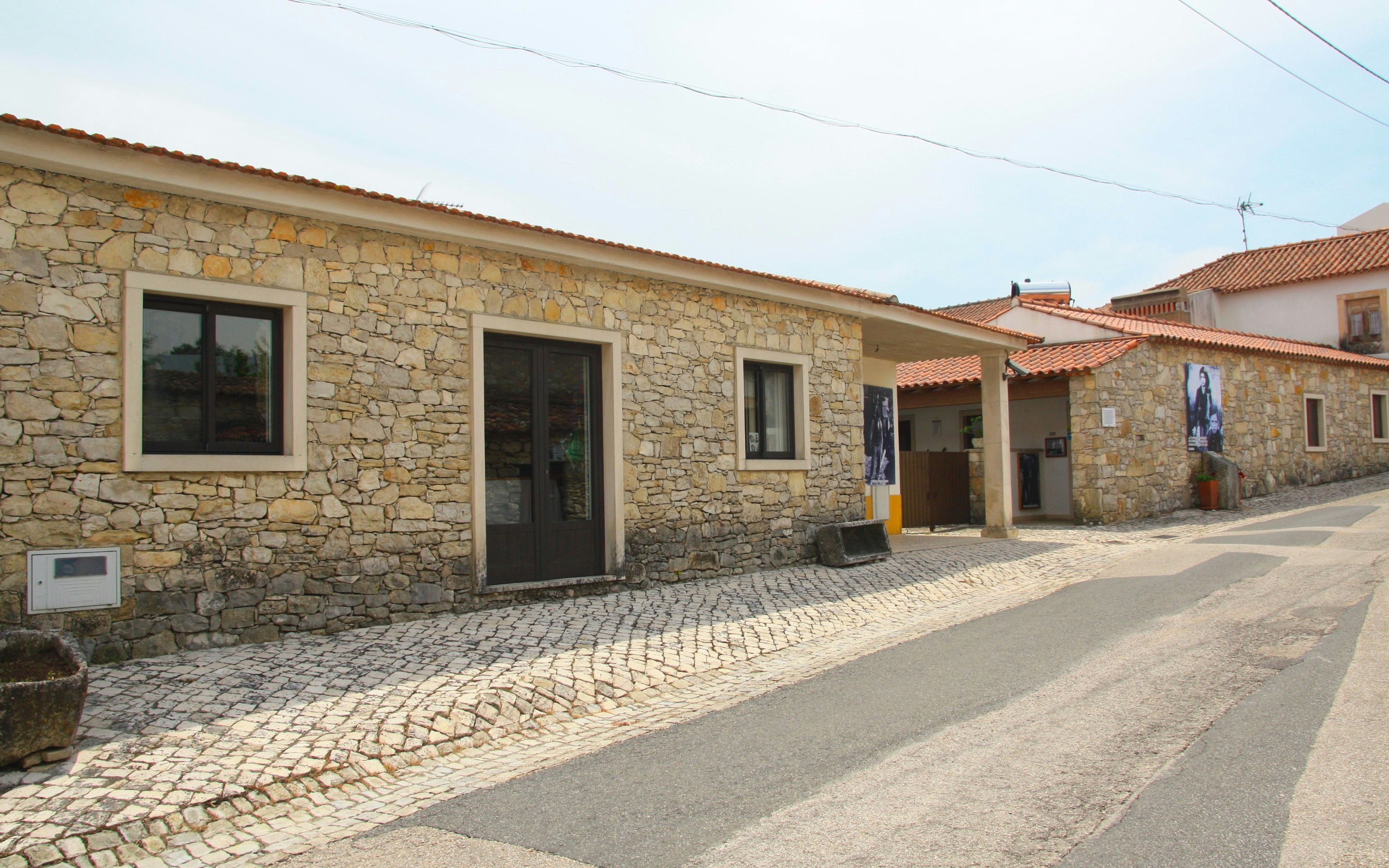
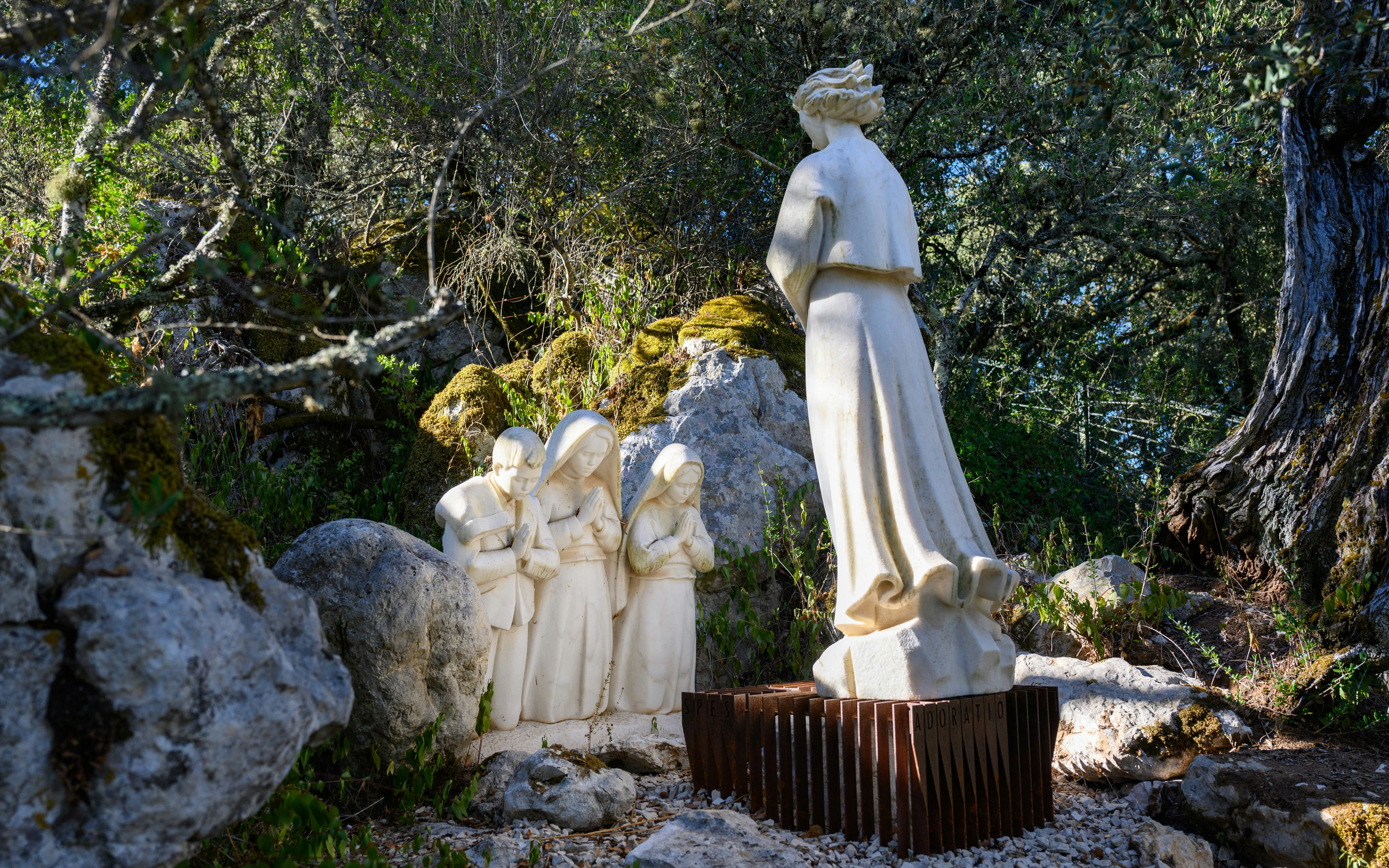
  • Full day (6+ hours): All sanctuary sites ➜ Valinhos & Aljustrel (Shepherds’ homes) ➜ Time for Mass or rosary service ➜ Leisurely lunch nearby

Handy tips

  • Tickets: Sanctuary entry is free; book transport or tours in advance on peak dates.
  • Best times: Arrive before 10am for calmer interiors. Evenings are quieter unless there’s a major pilgrimage. 
  • Rules: Modest dress is expected inside basilicas.  Silence is observed in prayer areas
  • Respect: Photography is allowed, but avoid flashes and loud conversations during services.

Must-see places in Fátima

Sanctuary of Our Lady of Fátima

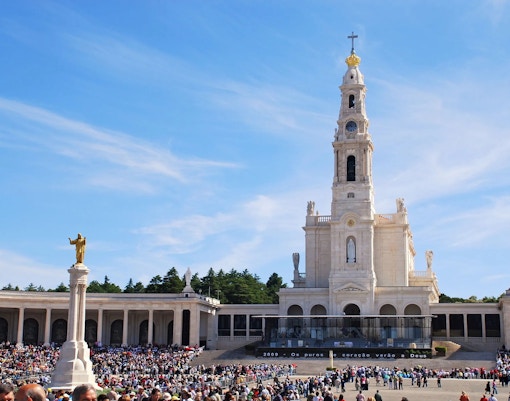
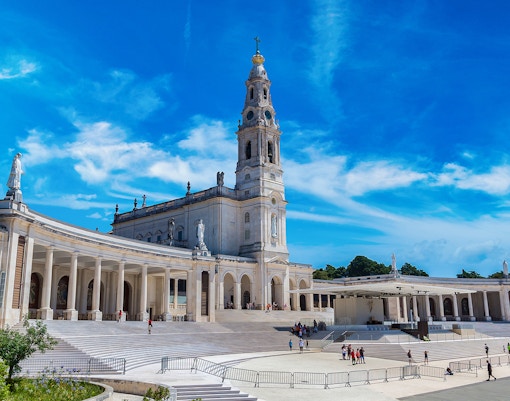
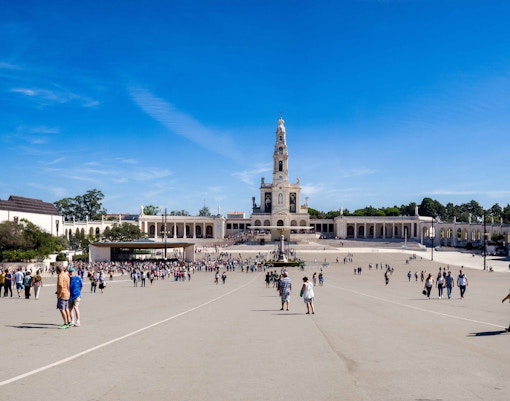
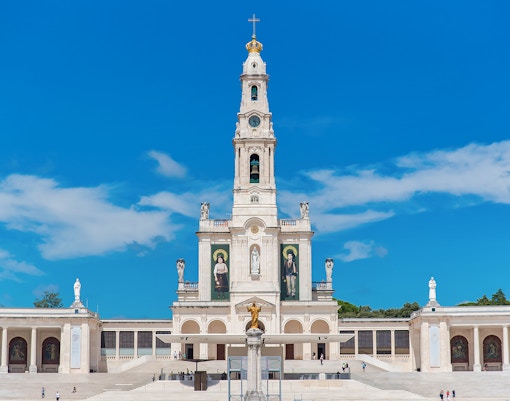
The first thing that surprises most visitors isn’t a statue or a church. It’s the space. The sanctuary opens up like a vast, quiet square, where footsteps echo, and voices naturally drop. Designed for pilgrimage rather than spectacle, this is where candlelight processions unfold at night, and thousands gather in shared silence. Even if you’re not religious, the scale and stillness make you slow down without realizing it.

Chapel of the Apparitions

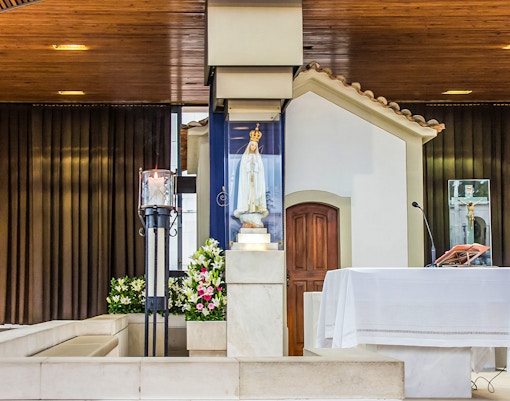
If Fátima has a pulse, it’s here. The chapel is small, almost understated, but people gravitate toward it instinctively. You’ll see pilgrims kneeling, lighting candles, or standing quietly with closed eyes. This is the exact spot where everything began in 1917, and you can feel that weight in the air.

Basilica of Our Lady of the Rosary

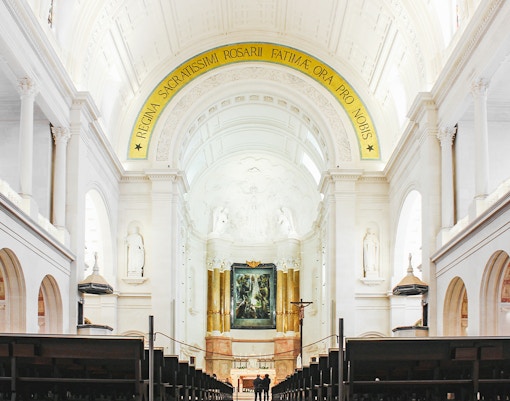
Walk inside, and the mood shifts again. This basilica tells the human story of Fátima, the shepherd children who went from rural anonymity to global attention. Their tombs are here, and visitors often pause longer than expected, reading names, dates, and details. The interior is elegant and designed to support reflection rather than awe.

Basilica of the Holy Trinity

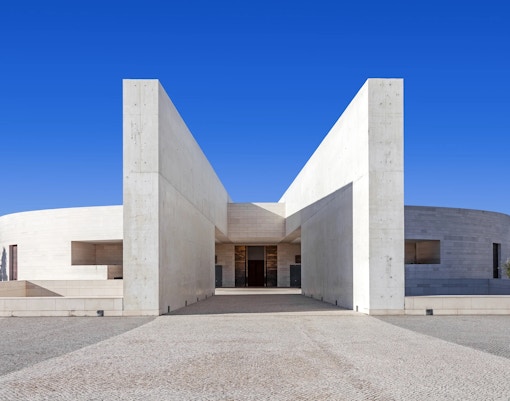
Modern, circular, and quietly powerful, this basilica feels almost meditative by design. Light filters softly across pale stone, and sound seems to dissolve rather than bounce. It was built for the present to hold large congregations without overwhelming them. Attend a service here if you can; the collective calm is unlike anything else in the complex.

Book Fátima day trips

If you’re trying to fit Fátima into a Portugal itinerary, the smartest way to do it is to let logistics disappear and focus on the experience. This full-day small-group journey combines three of central Portugal’s most compelling stops, Fátima, Nazaré, and Sintra, without the stress of trains, transfers, or tight connections.

You’ll travel from Lisbon in an air-conditioned minivan with no more than eight people, which keeps the day flexible and unhurried. Instead of rushing through sacred spaces, you get unstructured free time at the Fátima Sanctuary and the Chapel of the Apparitions, allowing you to explore, attend a service, or simply pause in silence.

The day balances reflection with scenery and storytelling. In Nazaré, your guide leads you to the Sítio da Nazaré, where Atlantic views stretch endlessly below. In Sintra, entry to Pena Park is included, giving context to the fairytale setting without the pressure of squeezing in every palace. A well-paced, thoughtfully curated day that connects Portugal’s spiritual, coastal, and romantic landscapes in one seamless journey.

Getting to Fátima

For most travelers, the easiest way to visit Fátima from Lisbon is on a guided full-day tour that handles transport, timing, and sequencing. This option removes the need to coordinate buses or trains and allows you to combine Fátima with Nazaré and Sintra in one smooth route. You travel in a small group, avoid backtracking, and arrive directly at the sanctuary with time to explore independently.

  • Time: 10 hours round trip
  • Cost: €80 includes transport, guide, Pena Park entry)
  • Pros: Door-to-door ease, small group, balanced pacing
  • Cons: Fixed itinerary

If you’re visiting Fátima Portugal, independently, long-distance buses are the most straightforward public transport option. Services depart from Sete Rios Bus Station in Lisbon and arrive at Fátima Bus Station, a short walk from the sanctuary.

  • Time: 1 hour 20 minutes to 1 hour 40 minutes
  • Price: €7–€12 one way
  • Frequency: Every 1–2 hours
  • Walk to sanctuary: 10 minutes
  • Best for: Budget travelers focused only on Fátima
  • Cons: Fixed return times; not ideal if combining Nazaré or Sintra

Trains are often assumed to be the easiest option, but for Fátima, they’re not. Trains from Lisbon’s Santa Apolónia Station or Oriente stop at Caxarias Station, which is 20 km away from the sanctuary. You’ll need a taxi or a local bus to complete the journey.

  • Time: 1 hour 45 minutes + transfer
  • Price: €10–€15 train + €15–€20 taxi
  • Best for: Travelers already using regional rail
  • Cons: Indirect, adds cost and complexity

Driving offers flexibility, especially if you plan to visit Fátima from Lisbon early or late in the day. Major highways are smooth, but parking near the sanctuary fills quickly on weekends and pilgrimage dates.

  • Time: 1 hour 30 minutes (130 km)
  • Cost: €40–€60/day rental + fuel + €5–€10 parking
  • Parking: Sanctuary north & south lots
  • Best for: Families or groups
  • Cons: Parking congestion, route planning needed

How to get around in Fátima

Walking around

Once you’re dropped near the Sanctuary of Our Lady of Fátima, everything that matters is within walking distance. The esplanade, basilicas, and Chapel of the Apparitions are laid out on a flat, open axis designed for pilgrims, not vehicles.

  • Time: 5–10 minutes between main sites
  • Cost: Free
  • Best for: Everyone, including seniors
  • Cons: Minimal shade in summer afternoons

Taxis/rideshares

Taxis are useful if you’re heading beyond the sanctuary, especially to Aljustrel or Valinhos, or if mobility is a concern. They’re easy to find around the main entrance roads and bus parking areas, though availability drops late evening after services.

  • Time: 5–15 minutes per ride
  • Cost: €6–€12 within town; €12–€18 to Aljustrel/Valinhos
  • Best for: Short hops, limited time, mobility needs
  • Cons: Not always waiting on quiet days

Local buses

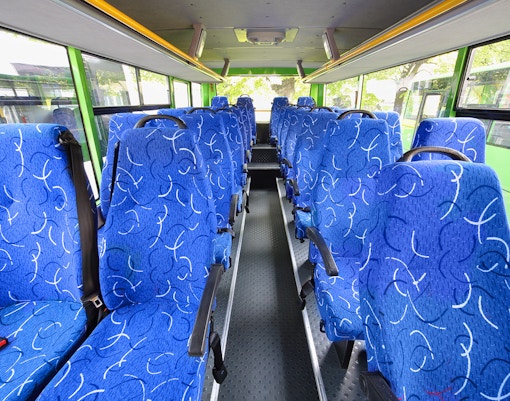
Local buses exist, but they’re infrequent and mostly used by residents rather than visitors. If you’re on a tight schedule, they’re unreliable; if you’re on a guided tour, you won’t need them at all.

  • Time: Varies widely
  • Cost: €2–€3 per ride
  • Best for: Slow-paced independent travelers
  • Cons: Low frequency, limited routes

Car (not recommended inside town)

If you arrive by car, park it and forget about it. Roads around the sanctuary close during major services, and traffic restrictions are common on pilgrimage dates. Walking is faster than driving once you’re there.

  • Parking: Designated sanctuary lots
  • Cost: €5–€10
  • Best for: Reaching town, not moving within it
  • Cons: Closures, congestion, no time saved

Where to eat in Fátima

After hours spent walking the sanctuary and surrounding esplanade, what most travelers want is simple: a place nearby, a proper Portuguese meal, and enough calm to sit down without rushing. These spots deliver exactly that: grounded, dependable food that fits naturally into a Fátima visit.

Restaurante Tia Alice

Restaurante Tia Alice feels lived-in and reassuring the moment you step inside, with linen-covered tables, the low hum of conversation, and plates leaving the kitchen heavy with food meant to restore you.

  • Where it is: A calm 5–7 minute walk from the Sanctuary of Our Lady of Fátima
  • Cuisine: Traditional Portuguese, slow-cooked, and portion-forward
  • Rating: 4.5/5 (Google)
  • Price point: €15–€22 per main dish
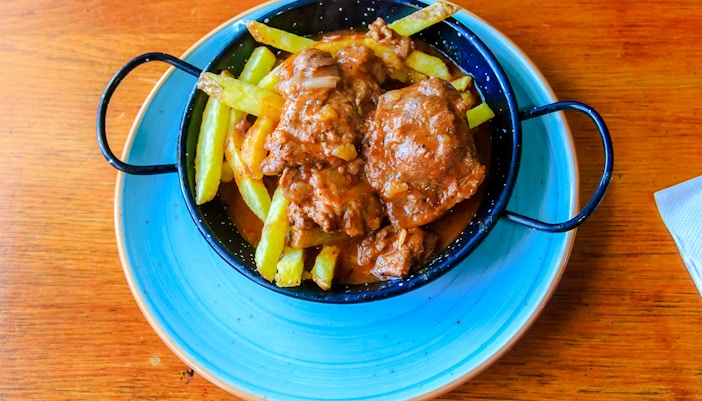
  • Must-try: Bacalhau à Lagareiro arrives glossy with olive oil, flaked perfectly, flanked by potatoes that soak up every drop; the slow-roasted pork is rich, comforting, and built for people who’ve been on their feet all morning

A Tasquinha

The kind of place you discover by accident and then quietly recommend to everyone else. It’s small, a little tight on space, almost always buzzing, and you can smell grilled fish before you sit down.

  • Where it is: Just off the sanctuary’s pedestrian zone
  • Cuisine: Home-style Portuguese cooking with daily specials
  • Rating: 4.4/5 (Google)
  • Price point: €12–€18 per main dish
  • Must-try: The grilled fish of the day, simply seasoned and perfectly cooked, or whichever daily special the staff recommends. 

O Convite

O Convite is the place you’re grateful exists when hunger hits hard and time is not on your side. You’ll see tour leaders, older pilgrims, and families who know exactly what they’re getting: a hot, filling Portuguese meal that does its job and does it well. It’s practical, comforting, and quietly efficient.

  • Where it is: Along the main access roads leading toward the Sanctuary of Fátima
  • Cuisine: Portuguese classics and daily set menus
  • Rating: 4.3/5 (Google)
  • Price point: €10–€15 for set lunch menus
  • Must-try: The soup-and-main combinations or rice-based meat plates. Simple, hearty dishes designed to satisfy quickly and keep you going

Where to shop in Fátima

Sanctuary Forecourt & Esplanade Edge

(Around the Sanctuary of Our Lady of Fátima)

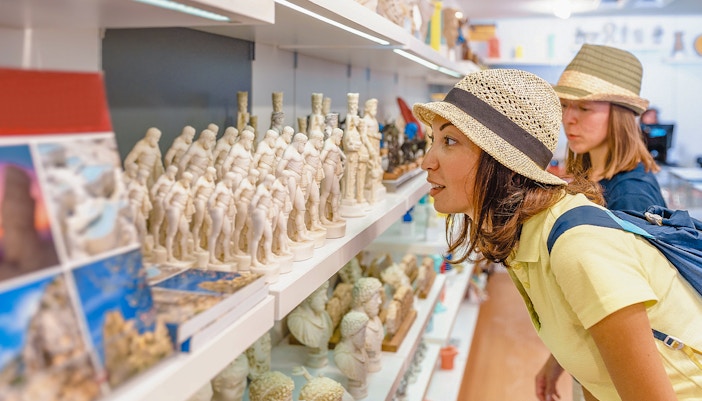
The immediate perimeter of the sanctuary is where first-time visitors usually pause. These shops exist almost as an extension of the sanctuary itself, selling items people often use immediately rather than take home unopened.

What to look for: Candles sized for offerings, simple rosaries, small statues meant to be carried, not displayed.

Avenida Dom José Alves Correia da Silva

(Fátima’s main avenue)

This long, straight avenue connects the sanctuary to the rest of town and concentrates the largest, most established religious stores. Shops here are better stocked and less rushed than those right at the gates, making it easier to browse calmly.

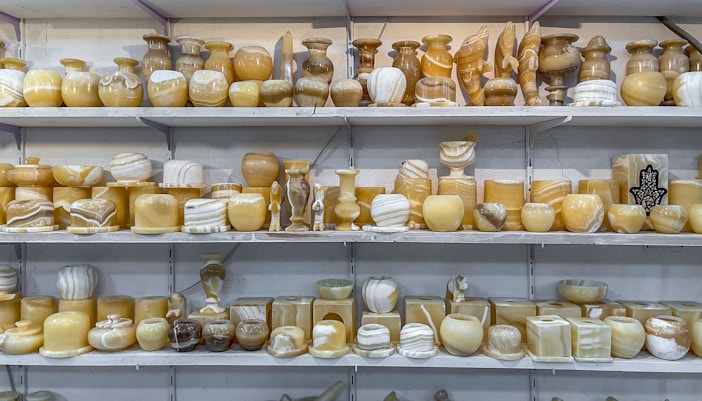
What to look for: Olive-wood rosaries, silver medals, framed Marian images, items labelled by pilgrimage year.

Rua Jacinta Marto & Rua Francisco Marto

(Side streets near the basilicas)

Quieter side streets named after the shepherd children, lined with smaller, more subdued shops. These stores feel less transactional and more personal, often preferred by repeat pilgrims.

What to look for: Prayer cards in multiple languages, scapulars, and understated devotional pieces for home use.

Tips from locals

  • Arrive earlier than the crowds → Locals plan their day around the quiet hours. If you want to feel the sanctuary rather than navigate it, aim to arrive before 10am. 
  • Don’t rush the Chapel of the Apparitions → First-timers often underestimate how much time they’ll want here. Even when you’re visiting Fátima Portugal, on a tight schedule, allow yourself an unstructured pause. 
  • Sit down before moving on → After walking the esplanade, locals recommend stopping on a bench, near the basilicas, anywhere calm, before leaving. Many people remember this moment more vividly than any specific landmark.
  • Dress practically, not just modestly → Modest clothing matters inside sacred spaces, but comfort matters too. You’ll walk more than expected, especially if you visit Fátima from Lisbon on a full-day trip that includes other stops.
  • Expect emotional swings → Even non-religious visitors are often surprised by how moved they feel. Locals say this is normal, as Fátima has a way of slowing people down and catching them off guard.
  • Silence is respected, even outdoors → Unlike many major attractions, quiet here isn’t limited to interiors. Speaking softly around the chapel and basilicas is an unspoken rule that locals appreciate visitors following.

Frequently asked questions about visiting Fátima

Is it worth planning a visit to Fátima if I’m not religious?

Yes. Many travelers plan a visit to Fátima for its atmosphere rather than faith alone. Even when visiting Fátima, Portugal, without religious intent, the scale, silence, and collective emotion of the sanctuary make it a uniquely reflective travel experience.

What is the easiest way to visit Fátima from Lisbon?

The most straightforward way to visit Fátima from Lisbon is on a guided day trip with round-trip transfers. This avoids coordinating buses or trains and allows you to focus on the sanctuary itself.

How much time should I plan when visiting Fátima, Portugal?

Most travelers need 2–3 hours for a meaningful experience when visiting Fátima, Portugal, including the sanctuary, Chapel of the Apparitions, and time to pause quietly. If you visit Fátima from Lisbon as part of a full-day tour, this usually fits comfortably into the itinerary.

Do I need tickets to visit Fátima or the sanctuary?

No tickets are required to visit Fátima or enter the Sanctuary of Our Lady of Fátima. Access to the basilicas and Chapel of the Apparitions is free.

What should I wear when visiting Fátima, Portugal?

Dress modestly, especially inside the basilicas. Covered shoulders and knee-length clothing are recommended. Comfort is equally important, as you’ll walk more than expected during a visit to Fátima, particularly if you visit Fátima from Lisbon on a full-day trip.

Is visiting Fátima, Portugal, suitable for families or older travelers?

Absolutely. The sanctuary grounds are flat and well-organized, making visiting Fátima, Portugal, manageable for families and seniors. If mobility is a concern, guided tours that visit Fátima from Lisbon simplify logistics and reduce walking distances.