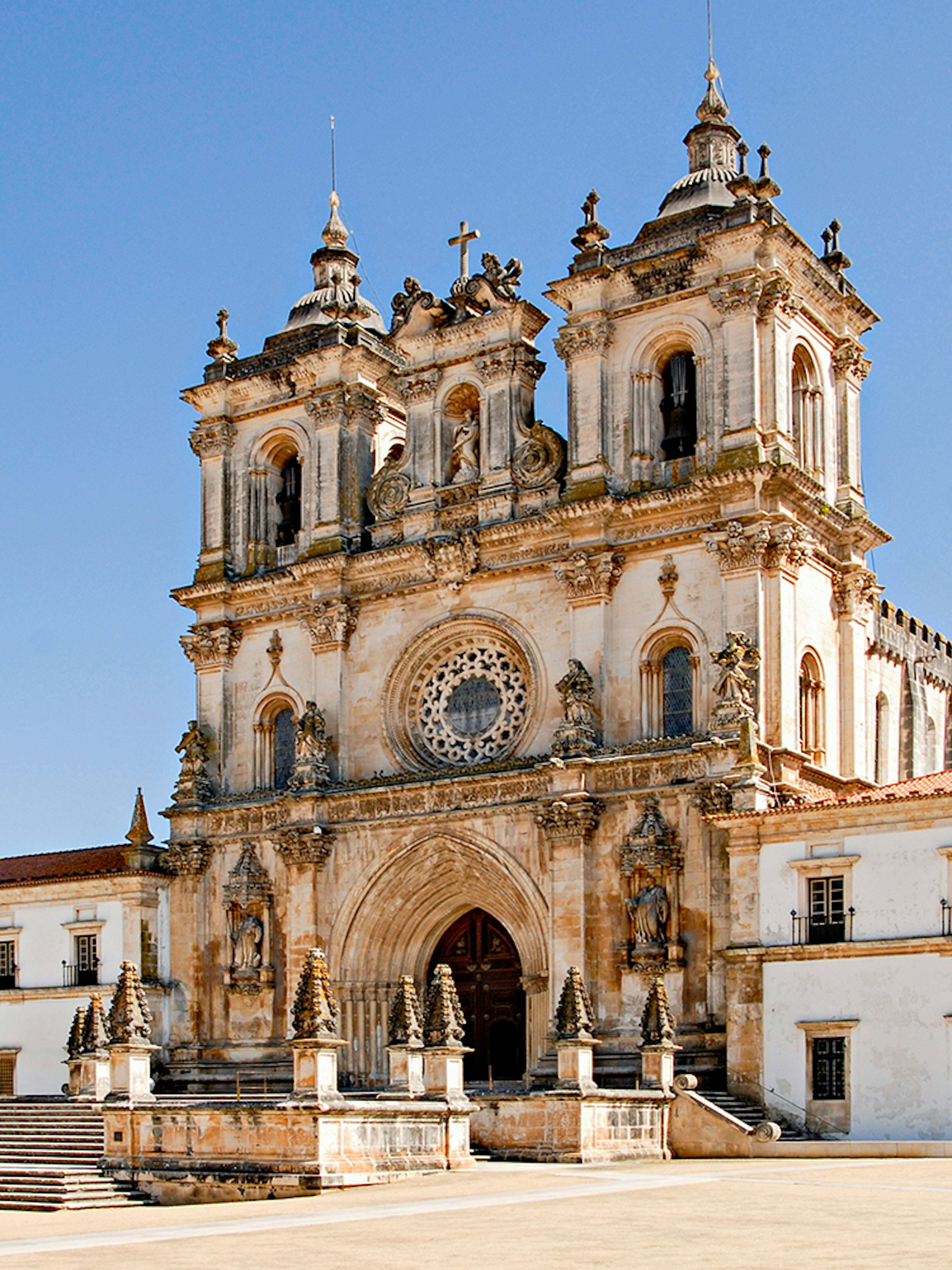
- Free entry: Entry to the church, nave, tombs of King Pedro I and Inês de Castro is free of cost. Explore One cloister (Claustro de Dom Dinis) and adjoining rooms with an audio guide at €6.
- Tour Duration: The church visit takes around 20 minutes, while a full monastery exploration lasts 60 to 90 minutes. Tours typically spend 30 minutes in the church. Consider independent exploration of Alcobaça for deeper insights.
- Themed Visits: These workshops are designed to introduce children to different aspects of the monastery's history and culture. Some popular themes include "The Sculptor-Monks," "Building a Monastery," and "Truly Scrumptious! Make and Eat Your Own Monastic Sweets."
- Alcobaça Monastery Tour and Portuguese Ceramics Workshop: This half-day tour combines a guided visit of the monastery with a hands-on ceramics workshop, where you can learn to make your own Portuguese azulejo (tile).
- Discounts & accessibility: Students, those with disabilities, and family groups get discounted entry. Sundays offer free entry for Portugal residents and kids under 12 for a limited time. While some ground-floor attractions have ramps, the monastery isn't fully wheelchair accessible.
Experience the best of Alcobaça Monastery
Crafted by Headout, a global experiences brand offering curated tours, tickets & experiences. Discover with ease, book with peace.1,796 travellers from around the world love this
Headout is an authorized and trusted partner of this venue
How Headout makes choosing experiences effortless
We curate the best ways to experience
We research and organise all unique experiences - from tickets to tours to special combos - so you get all the choices without the clutter.
We partner with the best
Every supplier is vetted for quality, reliability, and value so you only get top rated experiences. No surprises, no disappointments.
All the best options, in one place
Each experience is thoughtfully organised to give you maximum availability, great value and an easy way to choose.
Book with complete peace of mind
Free cancellations, Flexible payments, and 24/7 support - thoughtfully designed for flexibility, assurance, and total peace of mind.
Slide 1 of 41/4
Slide 1 of 4

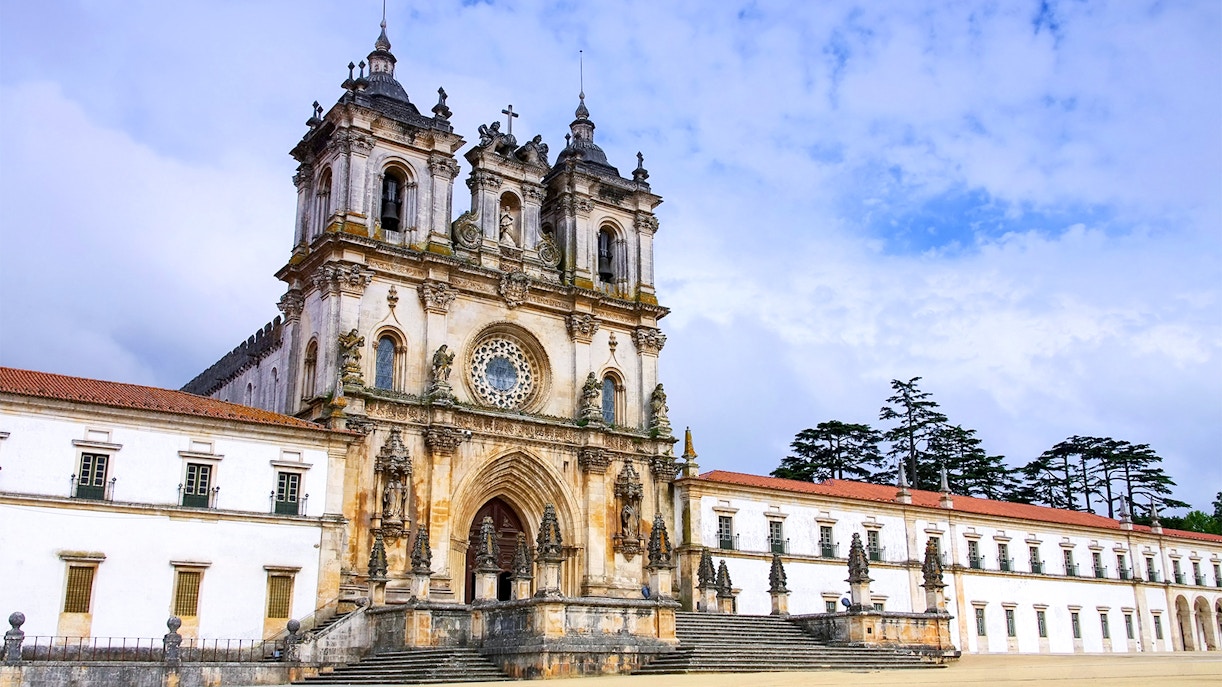
Alcobaça Monastery | The Order of Cister's largest Gothic church
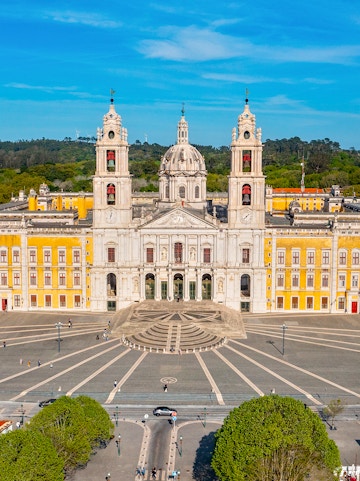
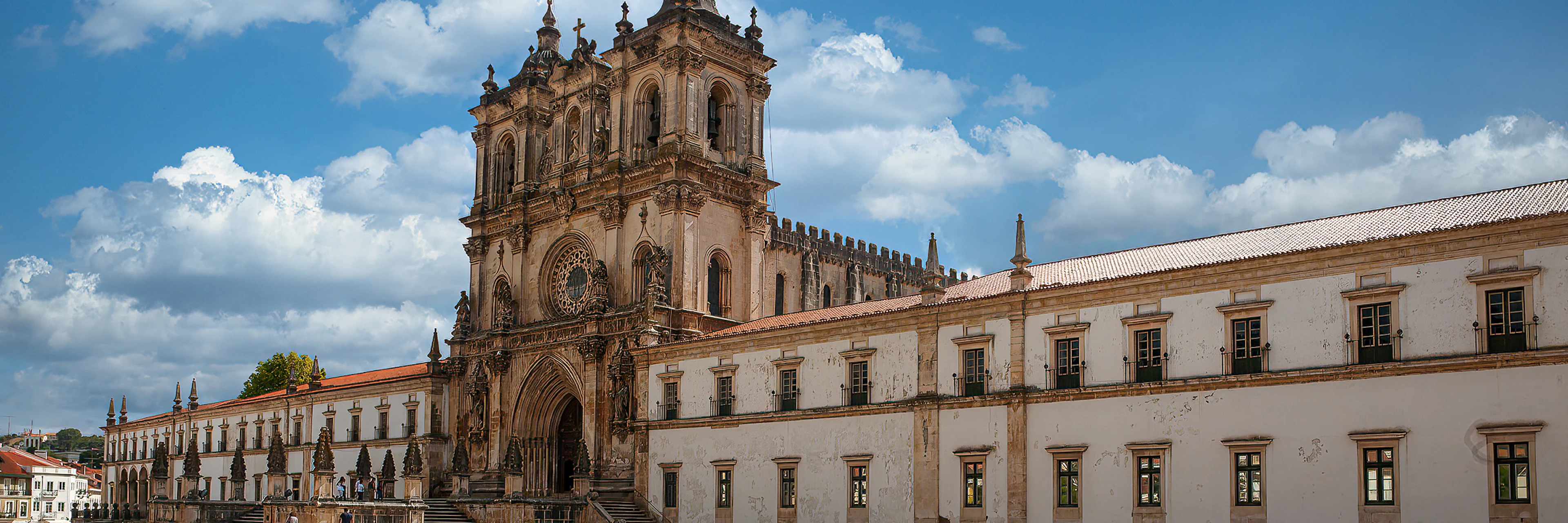
Standing tall for nearly 900 years, Alcobaça Monastery is one of Europe's most impressive testimonies of Cistercian architecture. Founded by King Afonso Henriques, it embodies early Gothic splendour with its soaring vaults and elegant simplicity. Built by Cistercian monks, its imposing church was Portugal's first wholly Gothic structure. Wander its halls, once echoing with prayers, and marvel at the tombs of star-crossed lovers, Peter I and Inês de Castro, forever united in death.
Things to know before booking your tickets to Alcobaça Monastery
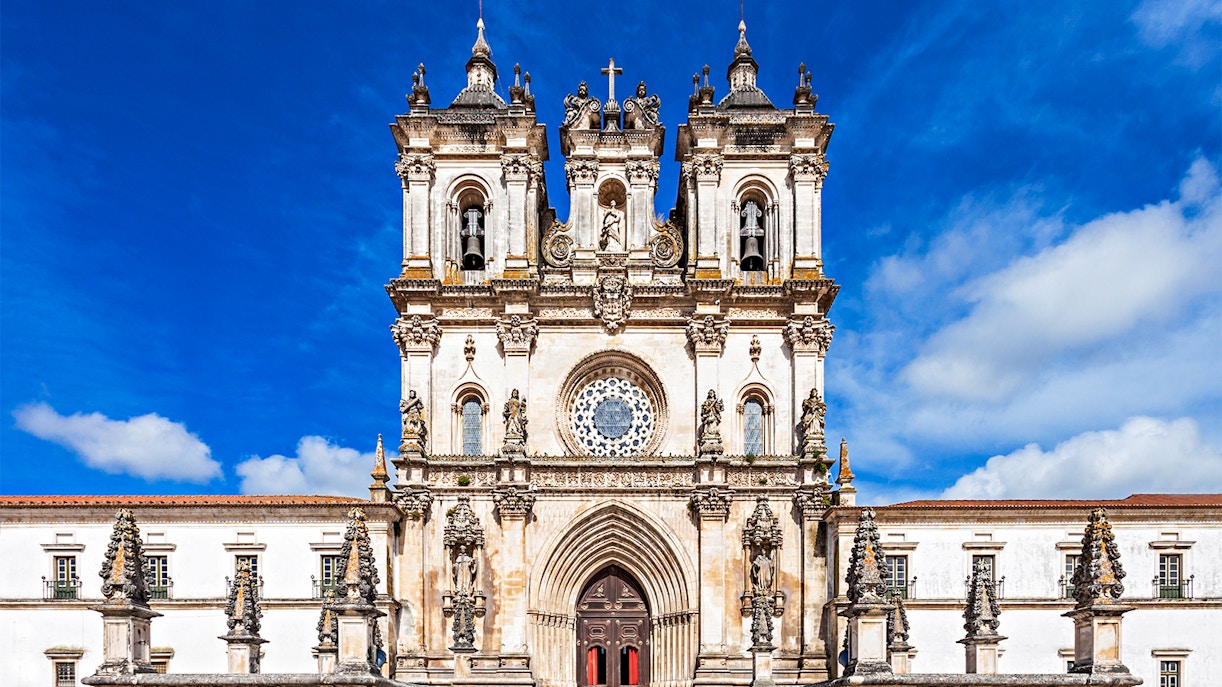
Alcobaça Monastery highlights
The Alcobaça Monastery is a UNESCO World Heritage Site and one of the most important Cistercian monasteries in the world. Visitors can see the church, the cloisters, the refectory, and the tombs of King Pedro I and Inês de Castro, and get to know more about Alcobaça Monastery.
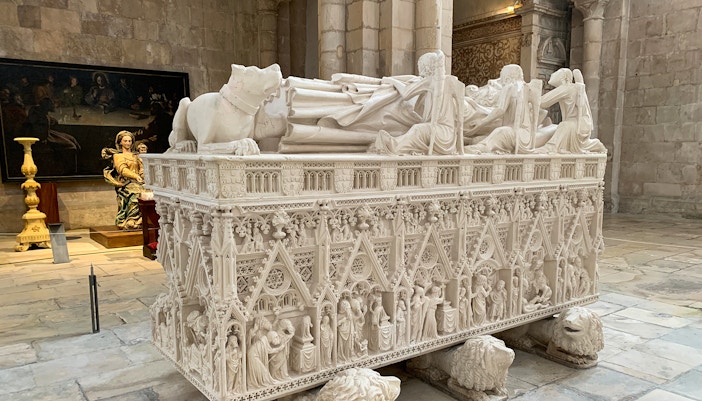
The Tombs of Pedro I and Inês de Castro
In the church transept lie the tombs of King Pedro I and his mistress, Inês de Castro, united in death. Pedro, grief-stricken by her murder, transferred her remains to Alcobaça. Legends claim he crowned her queen posthumously, demanding court members kiss her hand.
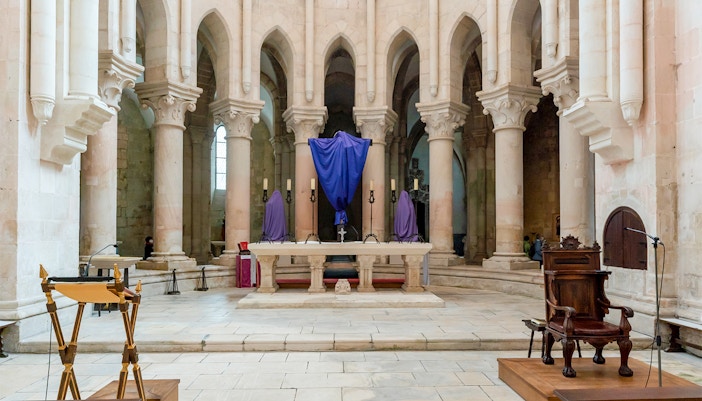
Chapel of Saint Bernard
This chapel showcases the "Death of Saint Bernard" sculptural group, crafted by 17th-century Alcobaça monks. Buried nearby are Kings Afonso II and Afonso III.
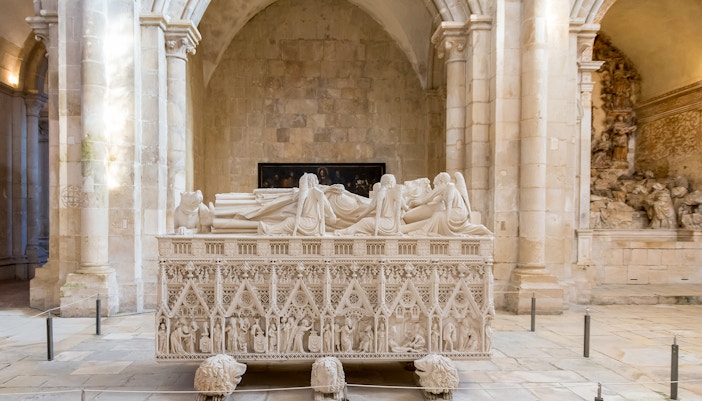
Royal Pantheon
Accessible from the transept, the Royal Pantheon is Portugal's earliest Neo-Gothic structure. It houses 13th-century tombs of queens Urraca of Castile and Beatrix of Castile, with smaller tombs of princes. Notably, Queen Urraca's tomb, adorned with late Romanesque decorations, stands out.
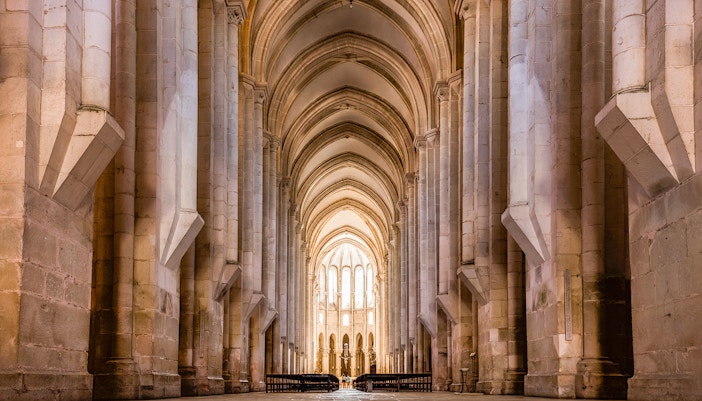
Sacristy
The Manueline-style sacristy, rebuilt after the 1755 earthquake, retains its grandeur. A splendid rib-vaulted corridor leads to it, adorned with intertwined vegetal branches bearing Portugal's coat-of-arms.
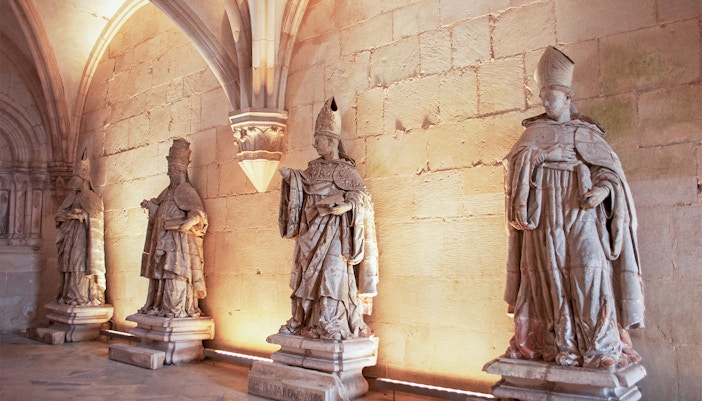
Room of the Kings
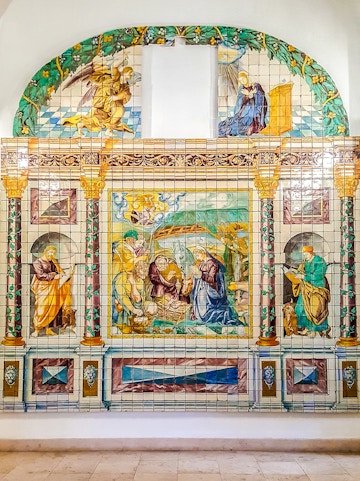
Adjacent to the church entrance, this room exhibits statues of Portugal's kings from the 17th–18th centuries. Blue-white 18th-century tiles narrate the monastery's history.
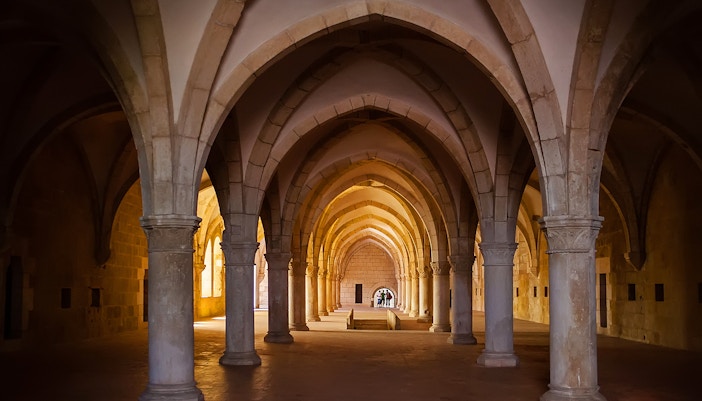
Dormitory
Once a communal sleeping space for monks, later divided into cells in the 16th century, the dormitory's walls were partially demolished in the 1930s.
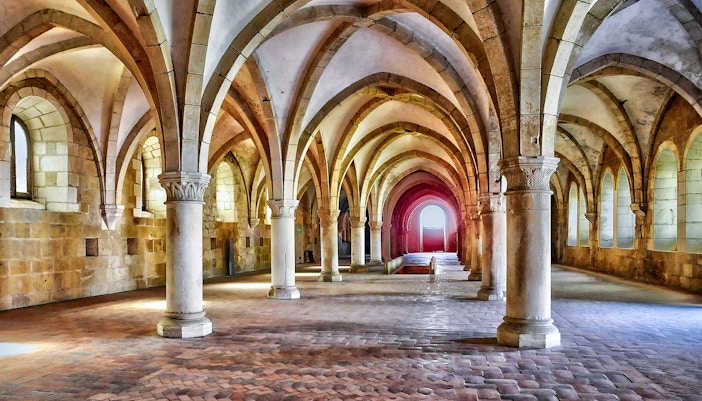
Refectory
Monks dined in this room daily, while one read from the Bible atop a pulpit embedded in the wall. Access to the pulpit is through an arched gallery.
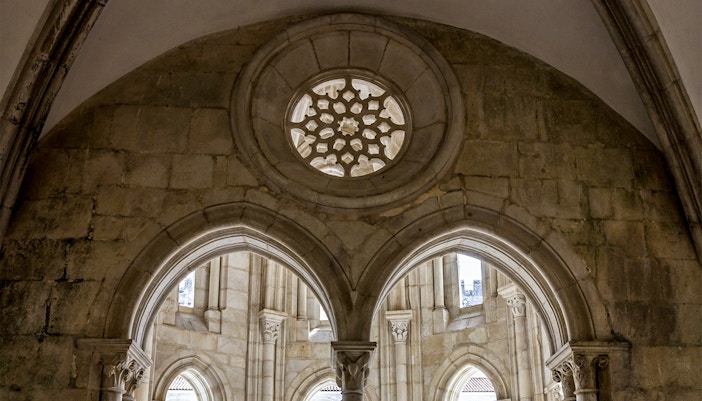
Cloister of Silence
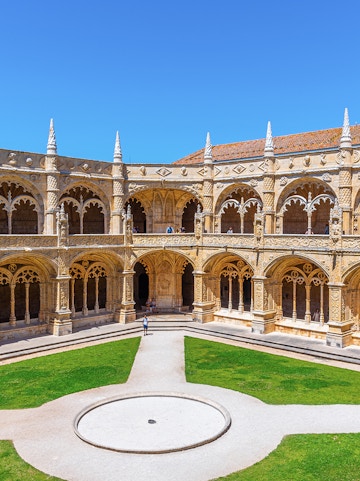
Built under King Dinis I's patronage, this Cistercian cloister boasts intricate animal and vegetal motifs. The Gothic Fountain Hall features a Renaissance water basin adorned with monastery emblems.
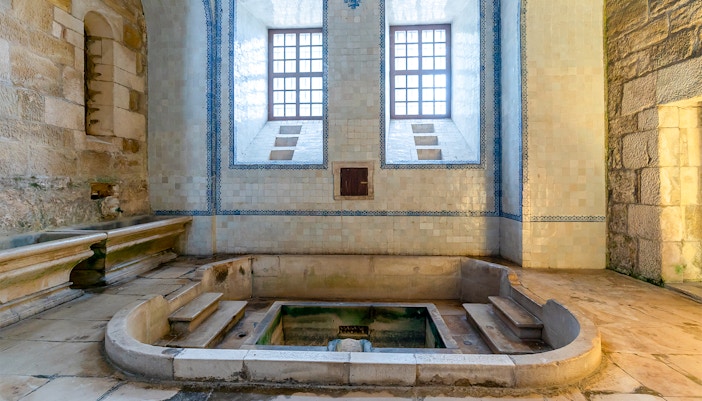
Kitchen of the Monastery
Constructed in the mid-18th century, the monastery kitchen features a massive chimney supported by iron columns. Fresh water and fish were channeled from the river Alcoa.
Chapter House
This room served as the monastery's central hub for discussions. Adorned with Baroque statues, it once hosted monks for daily gatherings.
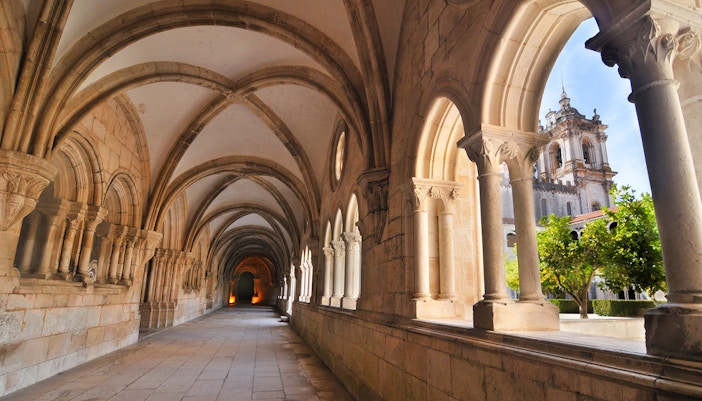
Celas' Corridor
Stroll through the atmospheric Celas' Corridor, where the cells of the monks once stood, and feel a sense of reverence for their solitary contemplation and devotion.
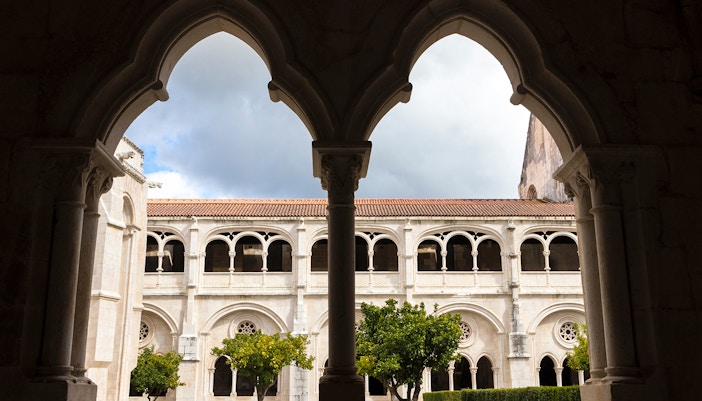
Church of Alcobaça
As Portugal's first wholly Gothic building, the church is a sight to behold. Its soaring vaults, graceful arches, and stained glass windows create an atmosphere of awe and serenity.
Plan your visit to Alcobaça Monastery
Alcobaca Monastery opening hours are as follows:
- October to March: 9:00 a.m. to 6:00 p.m. (last admission at 5:30 p.m.)
- April to September: 9:00 a.m. to 7:00 p.m. (last admission at 6:30 p.m.)
- The ticket office closes 30 minutes before closing time.
- Closed on: 1 January, Easter Sunday, 1 May, 20 August, and 25 December.

Address: Alcobaca, 2460-018 Alcobaça, Portugal
- From Lisbon or Leiria, take the A8 motorway, exit at Alcobaça/Nazaré/Valado dos Frades, then follow national route EN 8-5 to Alcobaça.
- Alternatively, from the North, take the A1 motorway, exiting at Leiria, or from Lisbon/the South, exit at Aveiras, then follow the IC2 route to Alcobaça.
- Information desk: Get brochures, maps, and ask any questions you have about the monastery.
- Restrooms: Available at various locations throughout the complex.
- Accessibility: The main church and some other key areas are accessible for visitors with disabilities.
- Guided tours: Offered in various languages for a deeper understanding of the monastery's history and significance.
- Bookshop: Purchase souvenirs and books related to the monastery's history and architecture.
- Wheelchair accessible and ramps available
- Wheelchair rentals available
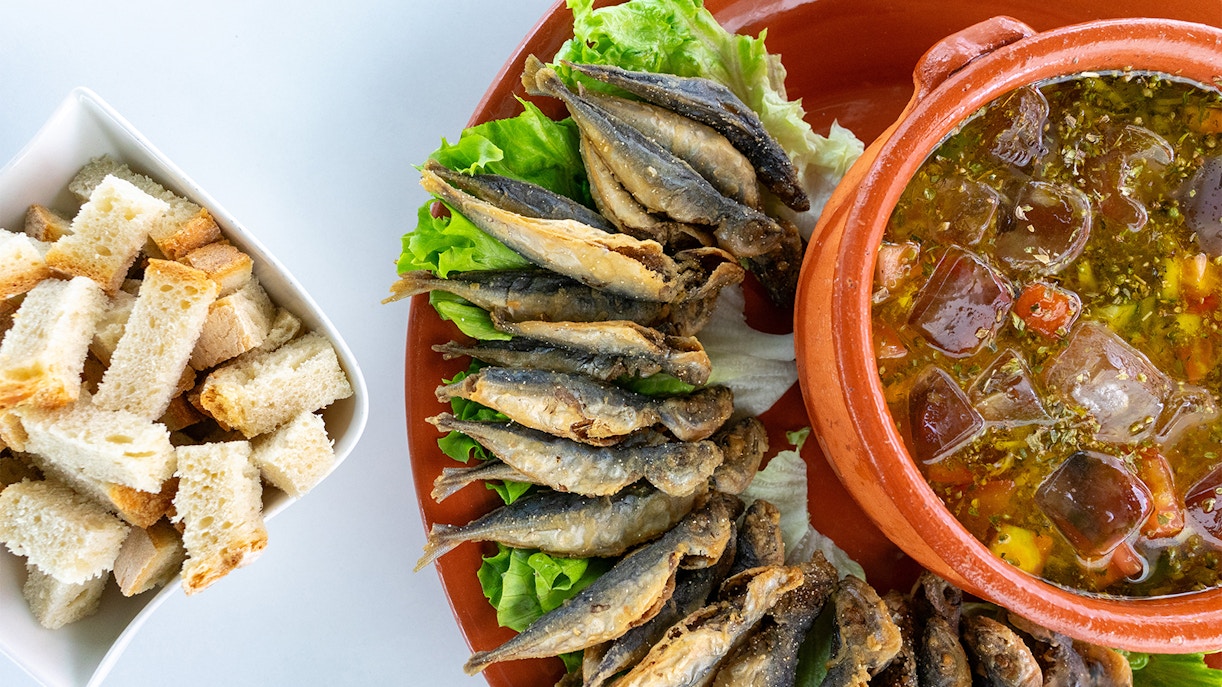
- Restaurante Maria José serves traditional Portuguese cuisine in a cozy setting. Opening hours today are 12:00 - 3:00 PM and 7:30 - 10:00 PM.
- Restaurante/Take away Sexto Sentido offers a variety of dishes, including grilled meats, seafood, and vegetarian options. Opening hours today are 10:00 AM - 10:00 PM.
- Rei dos Frangos is a chain restaurant specializing in grilled chicken. Opening hours today are 10:00 AM - 9:00 PM.
- O Bitoque is a popular spot for grilled chicken and other Portuguese specialties. Opening hours today are 8:00 AM - 8:00 PM.

- Photography: Visitors are allowed to take non-flash photography for personal use within the monastery. However, professional photography or the use of tripods may require prior permission.
- Silence: As the Alcobaça Monastery is a place of worship, it is essential to maintain a respectful and quiet atmosphere during your visit.
- Dress Code: Please dress modestly and respectfully, covering your shoulders and knees, as the monastery is a religious site.
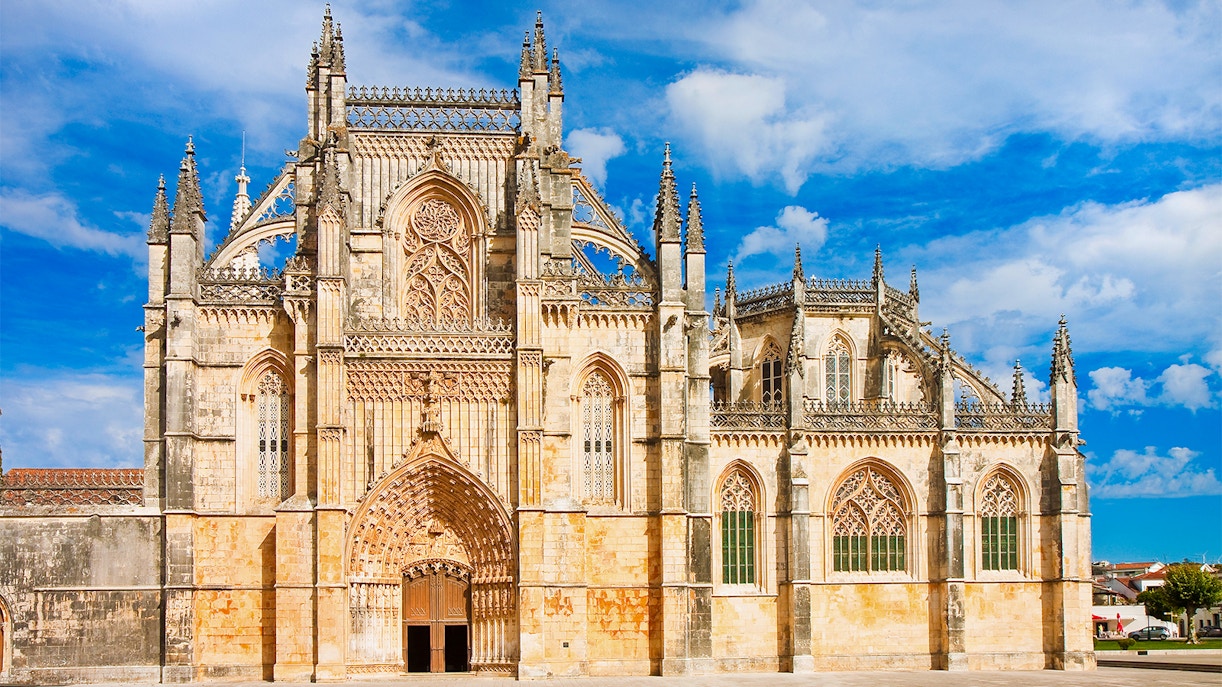
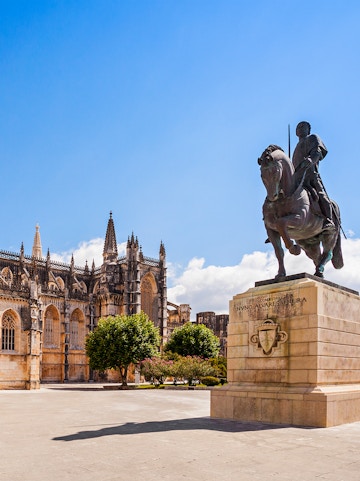
- Batalha Monastery: This UNESCO World Heritage Site is another impressive example of Gothic architecture in Portugal. It was built in the 14th century to commemorate the victory of the Portuguese over the Castilians at the Battle of Aljubarrota.
- Alcobaça Castle: Neighboring the Alcobaça Monastery, this 12th-century fortress boasts breathtaking views of the town and countryside, whispering tales of its defensive past.
- Monastery of Santa Maria de Coz: A serene gem tucked beside Alcobaça, this 12th-century Cistercian monastery offers a smaller scale yet equally impressive architectural beauty and peaceful ambience.
- Church of São Salvador: Adorned with an ornate 18th-century Baroque facade, this church stuns with its grandeur, both inside and out, enriching Alcobaça's historical tapestry.
- Praia da Nazaré: Notorious for its colossal waves that lure surfers worldwide, this beach offers a thrilling natural spectacle alongside sun, sand, and seaside charm.
Visitors tips
- Plan Sufficient Time: Allocate at least 1-2 hours for your visit to fully explore the Alcobaça Monastery and appreciate its beauty and history.
- Early Morning Visits: To avoid crowds, it is recommended to visit the monastery earlier in the day, especially during peak tourist seasons.
- Seek out the hidden details: Look for the inscription "Aqui jaz D. Pedro I, que muito amou" ("Here lies King Pedro I, who loved deeply") on his tomb. Visit the Chapter House, where important decisions shaped Portugal's history.
- Join a guided tour: Get in-depth knowledge from experts who can paint a vivid picture of the monastery's past and its role in Portuguese history.
- Explore the library: Even if the original books are gone, imagine the intellectual pursuits of the monks and the knowledge held within these walls.
Frequently asked questions about Alcobaça Monastery
Allow 2-3 hours to explore the Alcobaca monastery and its grounds.
Yes, the Alcobaça Monastery is a UNESCO World Heritage Site and one of the most important historical monuments in Portugal.
There are 2 ticket options for Alcobaca Monastery: a basic ticket for €10 and a combo ticket for €25. The basic ticket includes admission to the monastery, while the combo ticket also includes admission to the Batalha Monastery and the Nazaré Beach.
The Alcobaca monastery is open from 9:00am to 6:00pm, from Tuesday to Sunday. The last entry is at 5:30pm. The monastery is closed on Mondays.
The Alcobaça Monastery is located in the town of Alcobaça, in central Portugal. It is about 120 kilometers north of Lisbon. The best way to get to the monastery is by car. There is also a train station in Alcobaça, but it is a short walk from the monastery.
Yes, the Alcobaça Monastery is wheelchair accessible. There is a ramp leading up to the entrance, and the monastery has a number of wheelchair accessible toilets.
Yes, there are a number of restaurants and cafes near the Alcobaça Monastery. The monastery also has its own restaurant, which serves traditional Portuguese food.
In addition to visiting the Alcobaça Monastery, there are a number of other things to do in the town of Alcobaça, including: Visiting the Santa Maria do Alcobaça Church, Visiting the Alcobaça Castle, Walking through the town's historic center.
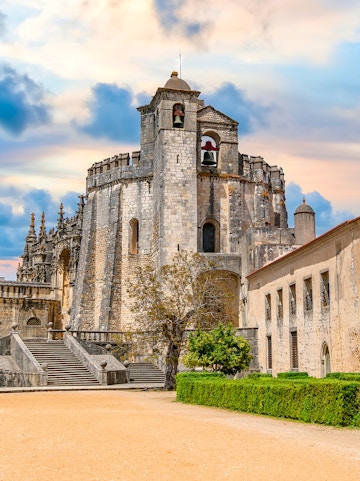
In addition to visiting the Alcobaça Monastery, there are a number of other places to visit in the area around Alcobaça, including: The Batalha Monastery, The Nazaré Beach, The Óbidos Castle, The Tomar Monastery