Explore the history of Lisbon Oceanarium

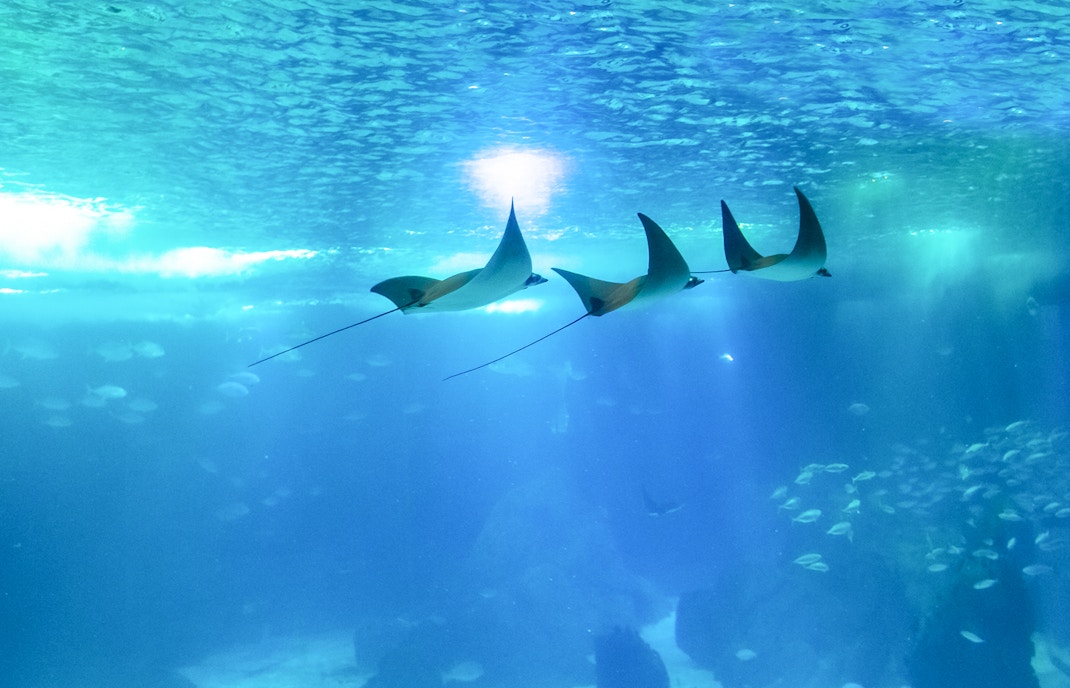
Lisbon Oceanarium is one of the biggest indoor aquariums in Europe. It's not only an aquarium but rather a sprawling underwater world with over 16,000 incredible marine animals from over 500 species! Join us as we explore the history of Lisbon Oceanarium and learn about how it became one of Europe’s most loved aquariums, attracting over a million visitors!

Lisbon Oceanarium timeline

  • 1998:The Lisbon Oceanarium was opened to the public as part of the World Exposition ‘98, which had the theme ‘The Oceans, a Heritage for the Future’. 
  • 2003: A pair of sunfish were added to the Oceanarium's collection, making it the first institution in the world to have successfully bred these fish in captivity.
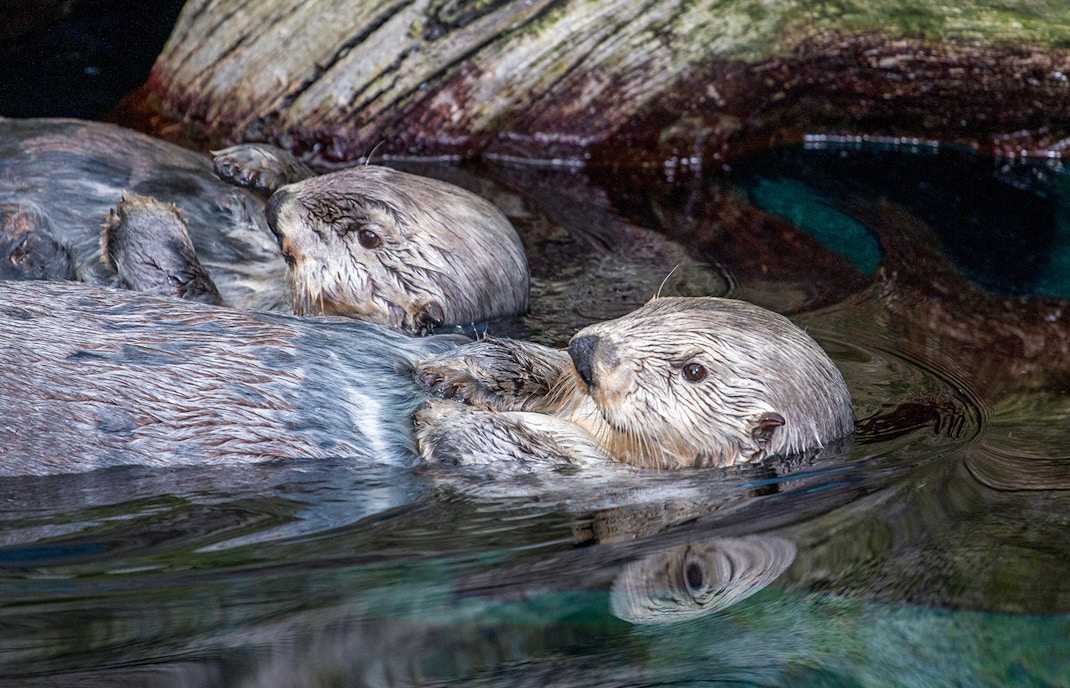
  • 2011: The Sea Building, designed by architect Pedro Campos Costa, opens, and the Oceanarium becomes home to a family of sea otters, making it the first aquarium in Europe to have these animals.
  • 2015: A temporary exhibition called ‘Forests Underwater by Takashi Amano’ opens.

More about Lisbon Oceanarium

Lisbon Oceanarium history explained

Inception and Planning
The concept for the Lisbon Oceanarium was born in the late 1980s, when Lisbon was chosen as the host city for the 1998 World Exposition, centered around the theme of ‘The Oceans: A Heritage for the Future’. It was decided that a highlight of the event would be the opening of a huge aquarium, highlighting the significance of ocean conservation. Architect Peter Chermayeff and his team led the charge in planning and constructing the oceanarium alongside the expertise of marine biologist Dr. Joao Falcato.

Inauguration and early years

The Lisbon Oceanarium was officially opened to the public on May 22, 1998, after its unveiling at the World Exposition. It quickly gained fame as the largest aquarium in Europe, boasting over 1.5 million gallons of water and housing more than 8,000 marine animals from 500 different species! The oceanarium was an instant hit, attracting over 1 million visitors in its first year of operation. It quickly became one of the most popular tourist attractions in Portugal and received international recognition for its innovative design and commitment to marine conservation.
Expansion and architectural innovations

Since 2000, the Lisbon Oceanarium has continued to build upon its initial mission of promoting marine conservation and education. In 2011, the facility saw a significant expansion with the opening of the Sea Building (Edifício do Mar), designed by Portuguese architect Pedro Campos Costa. This extension has expanded exhibition and support areas and introduced new exhibitions and educational programs.
Notable exhibitions and ongoing educational efforts

One of the most notable exhibitions held at Lisbon Oceanarium is ‘Forests Underwater’, a nature aquarium designed by Japanese photographer Takashi Amano. Unveiled in 2015, this living art installation recreates tropical forest environments using Japanese gardening principles. This dynamic, evolving display educates visitors on the importance of preserving our natural world. Through such exhibitions and a broad range of educational activities, the Lisbon Oceanarium continues to raise public awareness about the urgent need for ocean conservation and sustainable environmental practices.
More about Takashi Amano’s Forests Underwater

Construction of Lisbon Oceanarium

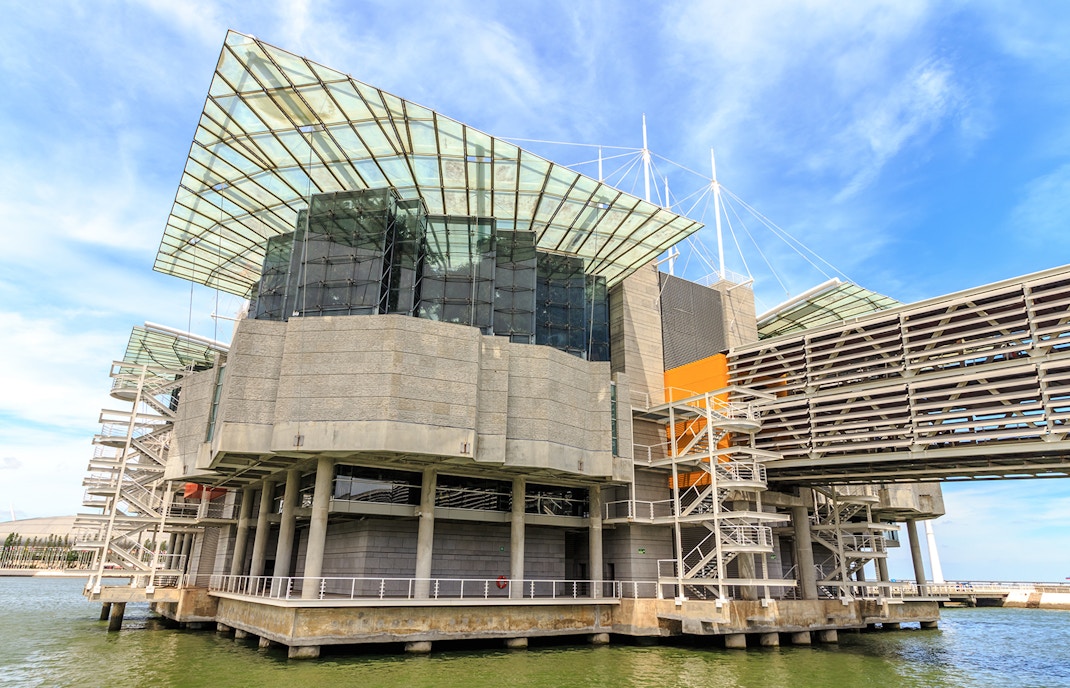
The Lisbon Oceanarium was created by the well-known American architect Peter Chermayeff, a specialist in aquarium architecture. Located at Parque das Nacoes in the eastern part of Lisbon, the Oceanarium is strategically built on the Dock of Olivais, surrounded by water, to enhance its connection to the ocean. The construction of the Lisbon Oceanarium involved the collaboration of several companies, with Engil leading the building efforts.

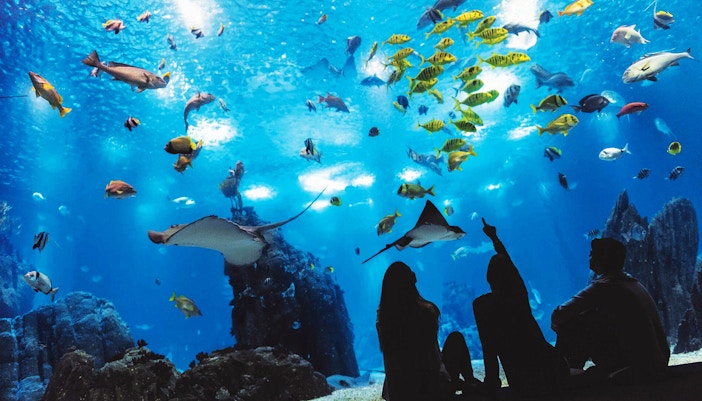
The Lisbon Oceanarium is shaped like a large ship, a reference to Portuguese maritime exploration. Its exterior is covered with blue tiles reminiscent of traditional Portuguese azulejos ( decorative ceramic tiles ) The building features a central tank and four additional ones, each separated by acrylic panels, creating the illusion of a single aquarium. The main tank, which is the highlight of the Oceanarium, holds approximately 5 million liters of water. Surrounding the main tank, visitors can explore the recreated ecosystems of the Atlantic, Antarctic, Pacific, and Indian Oceans.

Animals at Lisbon Oceanarium

Lisbon Oceanarium today

Lisbon Oceanarium

The Lisbon Oceanarium continues to be one of the most visited aquariums in the world. Committed to marine conservation and education, it offers several engaging exhibitions and programs such as the ‘Fado for Kids’, a musical concert that is specially designed to educate young children on marine conservation and Lisbon’s cultural heritage.

The addition of the Sea Building in 2011 has expanded the Lisbon Oceanarium allowing it to host exhibitions like ‘Forests Underwater’ by Takashi Amano. As a leader in ocean awareness, the Oceanarium continues to inspire visitors to care for the planet's seas, making it an essential part of Portugal's and the world's educational landscape.

Plan your visit to Lisbon Oceanarium

Frequently Asked Questions about Lisbon Oceanarium's history

Lisbon Oceanarium's design draws inspiration from Portugal's rich maritime history. It is shaped like a large ship, symbolizing an island in the ocean. The exterior is adorned with blue tiles reminiscent of traditional Portuguese azulejos.

More Reads

Lisbon Oceanarium's Animals

Getting To Lisbon Oceanarium

Lisbon Oceanarium Parking Facilities