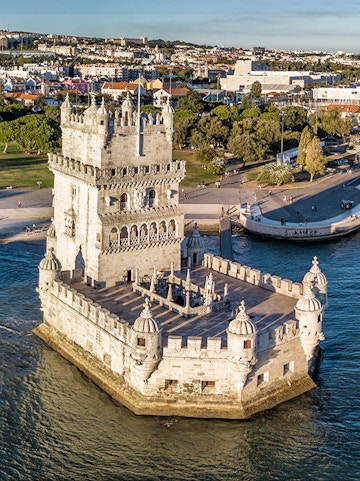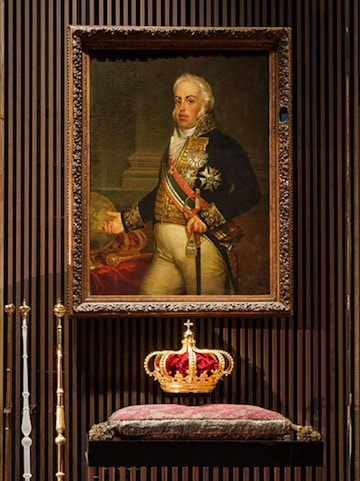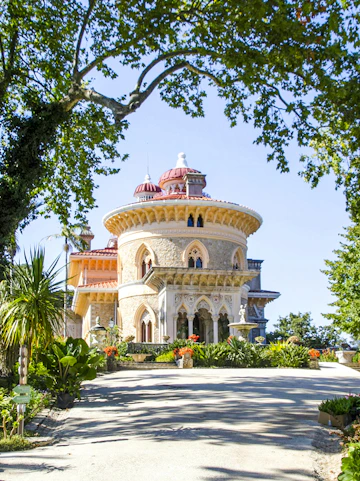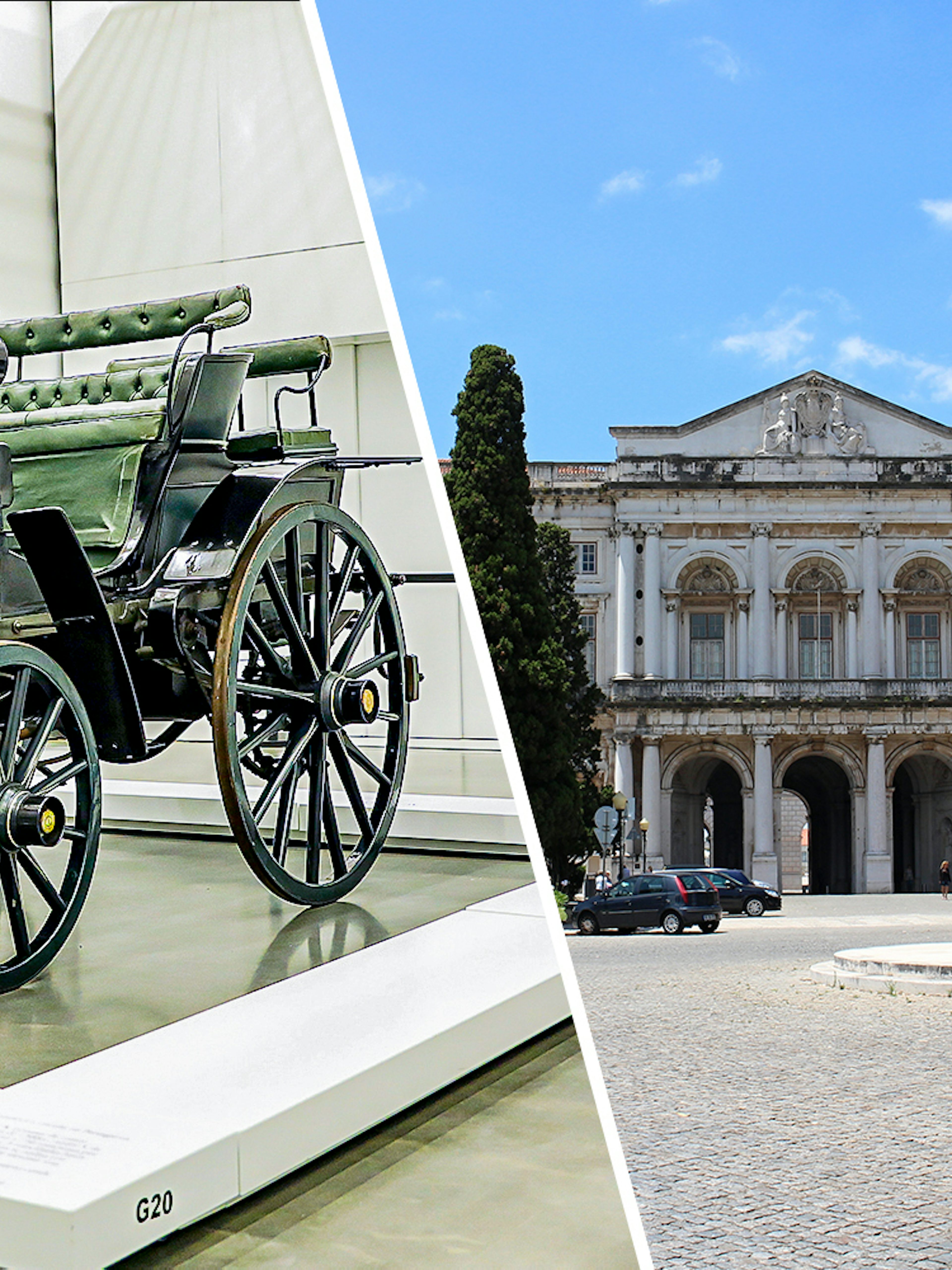
The ground-floor central nave is the museum’s main route, lined with state coaches, travelling coaches, and ceremonial vehicles. Visitors usually begin here, circling each carriage for full views before branching to side displays featuring Philip II’s coach and later transport.
How Headout makes choosing experiences effortless
We curate the best ways to experience
We research and organise all unique experiences - from tickets to tours to special combos - so you get all the choices without the clutter.
We partner with the best
Every supplier is vetted for quality, reliability, and value so you only get top rated experiences. No surprises, no disappointments.
All the best options, in one place
Each experience is thoughtfully organised to give you maximum availability, great value and an easy way to choose.
Book with complete peace of mind
Free cancellations, Flexible payments, and 24/7 support - thoughtfully designed for flexibility, assurance, and total peace of mind.
Slide 1 of 41/4
Slide 1 of 4
Quick overview
Ticket options: National Coach Museum tickets are self-guided; another adds an app-based audio tour. Your pace, your ticket.
Additional access: One combo adds the National Palace of Ajuda; it suits travelers planning a broader royal-heritage visit in Lisbon.
Unique experiences: No regular early-entry, night visits, or restricted-area formats are currently confirmed for the National Coach Museum.
Queues & access: E-tickets skip the ticket-purchase line only; basic entry checks still apply, though queues are usually lighter than nearby Belém landmarks.
When to book: Weekend, summer, and free-entry periods can be busier; book ahead if you’re pairing this museum with Jerónimos or Belém Tower.
Good to know: Most visits take about 1 to 1.5 hours; the modern building is wheelchair-accessible, while old-building access can be more limited.
Best upgrade: Choose the audio tour upgrade for added exhibit context on your phone; bring headphones and set up the download before arrival.
Compare your ticket options
| Ticket type | Entrance used | Lines skipped | Security | Includes | Guide | Why pick this | Cancelation policy | Price | Recommended experience |
|---|---|---|---|---|---|---|---|---|---|
| Entry ticket | Main entrance | Ticket line | Mandatory | • Entry to the National Coach Museum | ❌ | • See royal coaches from the 16th to 19th centuries • Best for quick museum visits | Can't be canceled/rescheduled | From €15 | National Coach Museum Tickets |
| Entry ticket with audio guide | Main entrance | Ticket line | Mandatory | • Entry to the National Coach Museum • Audio guide • Activation link • Offline content | Audio guide | • Learn the stories behind Portugal’s royal carriages • Best for self-guided visits | Cancel up to 24 hour before the experience for a full refund | From €24 | National Coach Museum Tickets with Audio Guide |
| Combo ticket | Main entrance (for both the sites) | Ticket line | Mandatory | • Entry to the National Coach Museum • National Palace of Ajuda | ❌ | • Visit two royal attractions with one ticket • Best for full cultural experiences | Can't be canceled/rescheduled | From €27 | Combo: National Coach Museum + Ajuda Palace Tickets |
Things to know before booking your National Coach Museum tickets
Booking window
- The National Coach Museum usually does not need long-range booking. Most visitors buy within 7 days of travel, but weekends, summer dates, and free-entry periods can be busier.
- Pre-booking helps more with smoother planning than with securing rare capacity. It works best if you are fitting the museum into a Belém day with Jerónimos Monastery, Belém Tower, or MAAT.
Entrances & flow
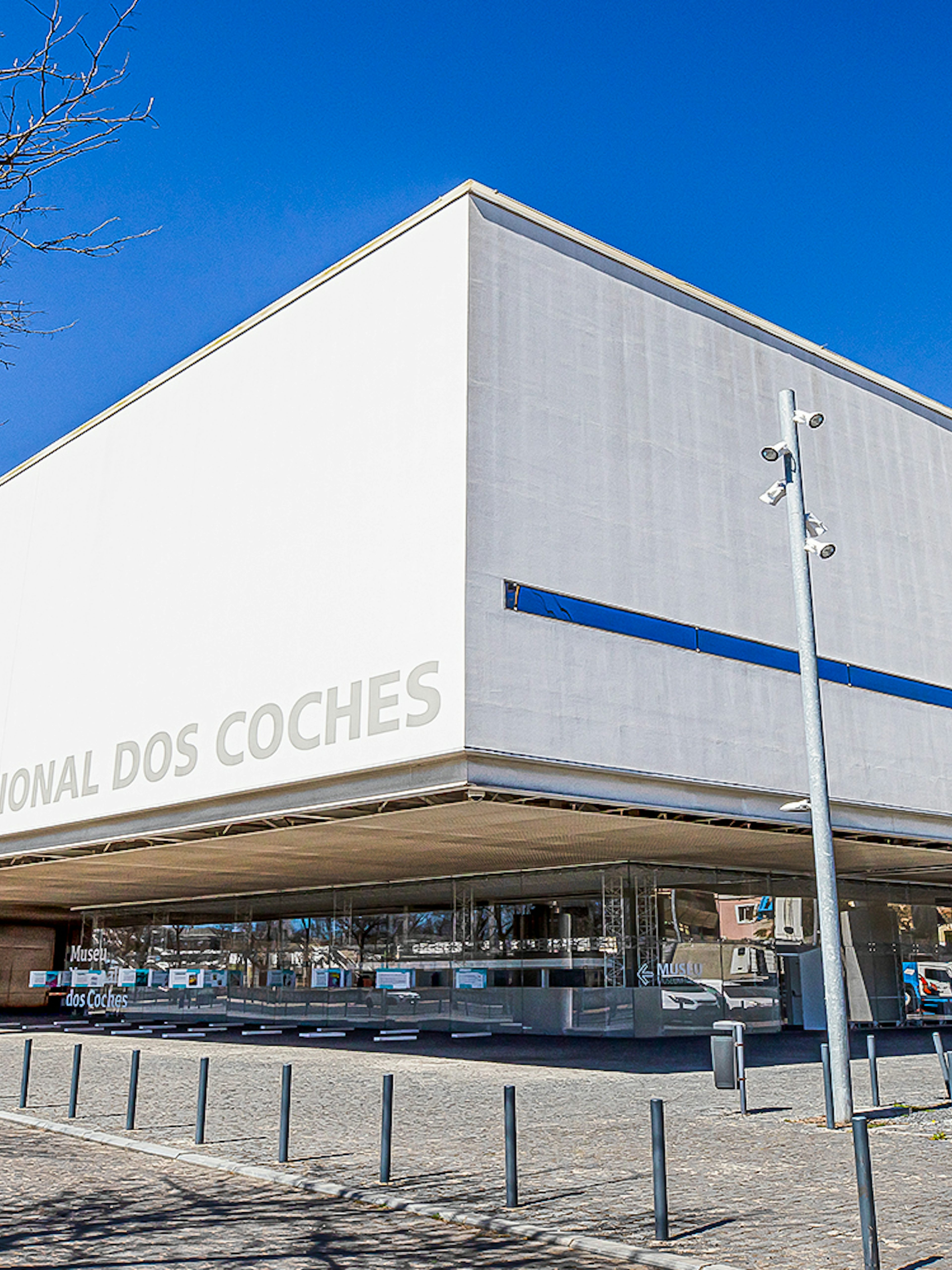
- Most visitors enter through the modern museum building on Avenida da Índia. Ticket checks happen at the entrance control point near the main ticket office.
- E-tickets skip the ticket-purchase line; basic entry control still applies. Waits are usually modest, with longer lines mainly reported on busy weekends or free-entry days.
What’s included
- Standard National Coach Museum tickets include entry to the permanent collection in the modern building. That covers the main coach displays, sedan chairs, and related equestrian objects.
- The audio-tour variant adds a self-guided app with narration, text, and offline maps. It does not include a live guide, smartphone, or headphones.
Galleries at National Coach Museum
Plan your visit to National Coach Museum
- Current hours: 10am to 6pm from Tuesday to Sunday | Last admission at 5:30pm
- Holiday closures: Closed on Mondays, Jan 1, May 1, Easter Sunday, June 13, and December 24 and 25.
- Visit length: Most visitors spend about 1–1.5 hours inside the museum.
- Address: Avenida da Índia 136, 1300-004 Lisboa, Portugal | View on Google Maps
- Neighbourhood: The museum sits in Belém, near Jerónimos Monastery, MAAT, and the Tagus waterfront.
- Tram: Carris tram 15E stops at Belém, about a 4-minute walk away.
- Train: CP's Cascais Line stops at Belém station, about a 5-minute walk away.
- Bus: Carris buses 714 and 728 stop near the museum, about a 3-minute walk away.
- Taxi: Taxis and rideshares can drop off directly at the main entrance.
- Walking: Jerónimos Monastery is about a 7-minute walk from the museum.
- From central Lisbon: Tram travel to Belém usually takes about 25 to 30 minutes.
- From Cascais: CP's Cascais Line reaches Belém in about 30 to 40 minutes.
- Parking: Street parking and public lots near Jerónimos Monastery and MAAT are usual options.
- Main entrance: The Avenida da Índia entrance serves most visitors, usually has short waits, and is step-free.
- Old building entrance: The Praça Afonso de Albuquerque entrance suits old-building visits, is quieter, but accessibility is more limited.
- Please note: Use the old building entrance only if your visit includes the Royal Riding School.
- Ticket checks: Tickets are validated at the entrance, and all visitors pass a basic bag check.
- Restrooms: Restrooms are available in the modern building.
- Bag storage: Large bags may need storage, but cloakroom details and size limits are not clearly published.
- Gift shop: A small shop near the exit sells books, postcards, and souvenirs.
- Seating: Benches and seating areas are available in or near the galleries.
- Audio guide: Some visits use a mobile audio guide, so bring headphones and a charged smartphone.
- Approach: Wheelchair users can use the step-free main entrance in the modern building.
- Inside: Elevators and ramps support access to upper levels in the modern building.
- Restrooms: Accessible restrooms are available in the modern building.
- Auditorium: Wheelchair users have reserved front-row places in the auditorium.
- Limits: The old Royal Riding School may have stairs and uneven flooring.
- Service animals: Guide and assistance animals are typically allowed in national museums.
- Bag policy: Large bags and full-size suitcases are best avoided and may need storage.
- Photography: Photography rules are not clearly published, so ask staff about flash and tripods on arrival.
- Food and drinks: Food, beverages, and smoking are not allowed in exhibition spaces.
- Behavior: Visitors should keep their voices low and follow barriers around the displays.
- Touching exhibits: Touching the coaches or crossing barriers is not allowed.
- Pets: Only service animals are typically allowed inside the museum.
Visitor tips & guidelines
Skip the Introductory zone if you have under an hour; start in the Main Coach Hall, where the core vehicles sit together.
If groups gather near the Avenida da Índia entrance, move straight to the Embassy to Rome coaches; the open hall disperses people faster.
View the Coach of the Oceans from the mezzanine walkway; the roof carving and allegorical figures read more clearly from above.
Circle behind the Embassy to Pope Clement XI state coach; its largest sculptural grouping sits at the rear, not the front.
Walk the Main Coach Hall from the oldest coaches toward the lighter 19th-century vehicles; the long sightline clarifies design changes quickly.
Leave the Harnesses and Saddles gallery until last; glass cases and smaller labels slow your pace more than the central nave.
Use the overhead walkways before reading every panel; seeing lanterns, roofs, and wheel height first makes floor-level details easier to decode.
If the entrance area feels crowded late morning, continue deeper into the Main Coach Hall; the space usually feels calmer once groups spread out.
Frequently asked questions about National Coach Museum tickets
No, advance booking usually isn’t essential here because the museum rarely sells out and lines are generally short. An e-ticket still helps you skip the ticket-purchase step, which is useful on busy weekends or free-entry periods.
Yes, standard entry covers the permanent collection in the main museum building, including headline pieces such as the Gold Coach, Philip III of Spain’s carriage, and the Baroque coaches built for Pope Clement XI’s embassy.
Most visitors spend about 1–1.5 hours inside. With an audio guide or a slower pace, plan closer to 2 hours; families and casual visitors often feel satisfied in 45–60 minutes if they focus on the main hall.
Weekdays usually feel calmer than weekends and free-entry periods. Exact last-entry timing isn’t consistently published, so don’t leave this for the very end of the day if you want enough time to see the collection properly.
Yes, the modern building is generally step-free and lift-served, with accessible restrooms and reserved parking spaces. The historic Royal Riding School is more challenging, so visitors with limited mobility should focus on the newer main building.
Yes, it works well as a short family stop because the ornate coaches are visually engaging. Stroller rules aren’t clearly published, but the modern building’s wide, level layout is easier than the old building with young children.