Visiting Navy Planetarium: what to know
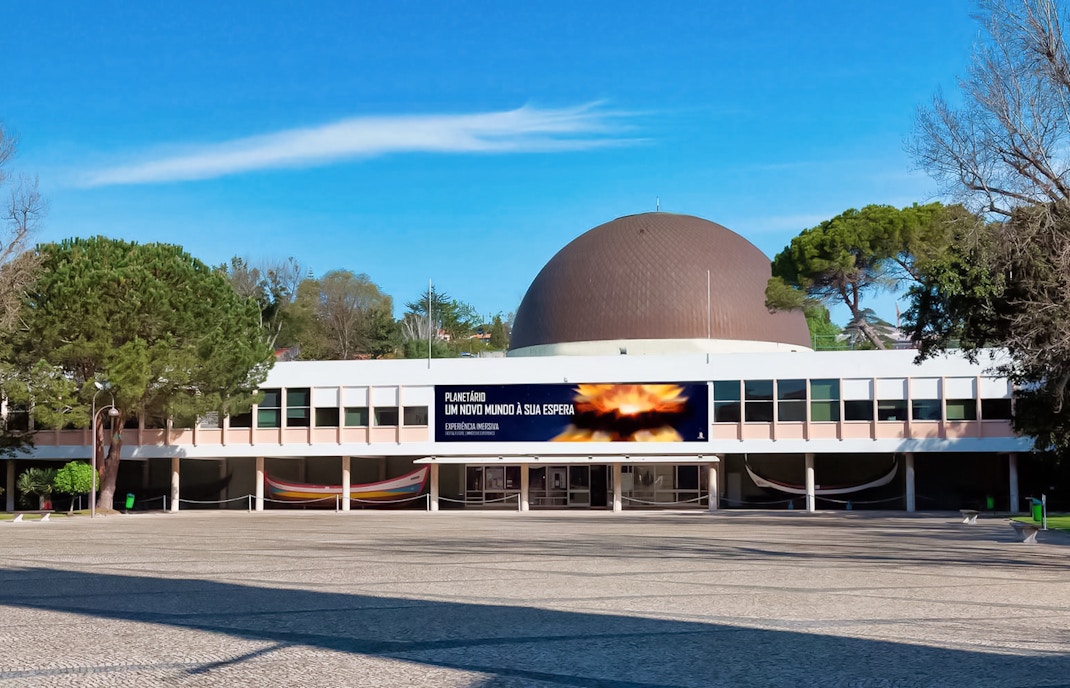
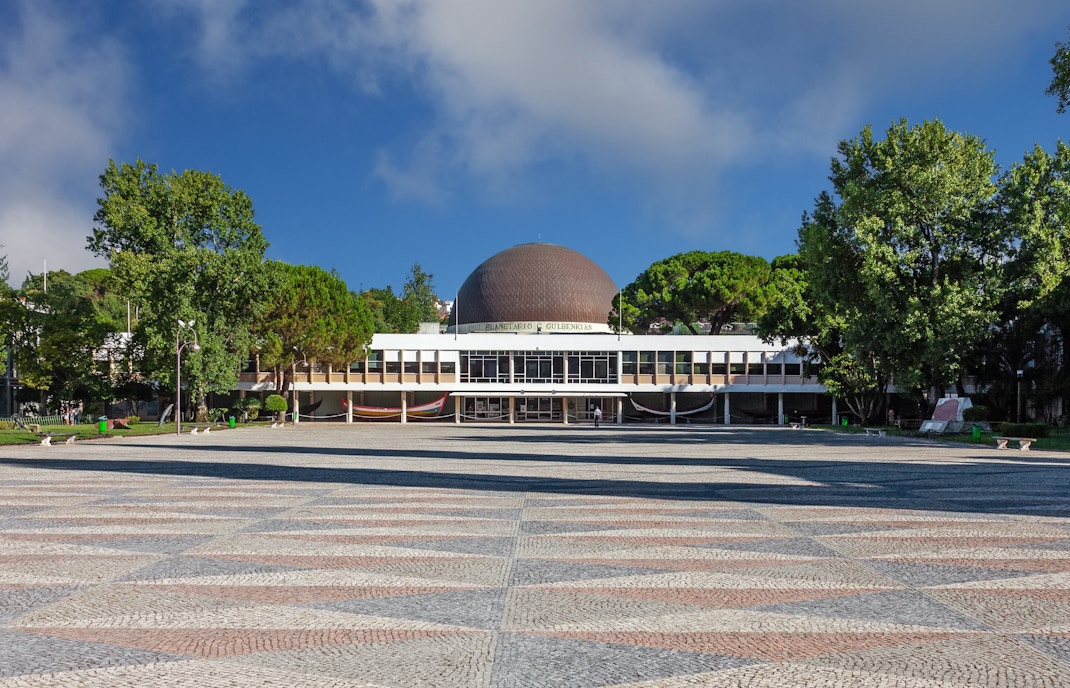
The Navy Planetarium is a historic dome theater in Belém best known for its timed astronomy shows rather than a large, free-roaming science museum experience. Most visits are short, seated, and straightforward, but satisfaction depends heavily on choosing the right session for your language, age group, and interests. The biggest mistake is treating it like a walk-in attraction and arriving without checking the live program first. This guide covers timing, tickets, entrances, and how to fit it into a smarter Belém visit.
Quick overview: Navy Planetarium at a glance
This is the section to read before you pick a day or book a slot.
- When to visit: Tuesday–Sunday on a session-based schedule, with Monday closed. Weekday late-morning and early-afternoon sessions are noticeably calmer than weekend and school-holiday afternoons, because Belém crowds concentrate first on Jerónimos Monastery and nearby riverfront sights.
- Getting in: Booking ahead matters most if you need a specific English or child-friendly session, while quieter weekdays are usually easier for same-day plans.
- How long to allow: 45–75 minutes for most visitors. It stretches to 2.5–4 hours if you pair it with the Jerónimos Monastery.
- What most people miss: The small gallery after the dome show, and the fact that picking the right program matters more here than simply taking the next available slot.
- Is a guide worth it? Not usually, because the core experience is already a narrated dome session; your money is better spent on the right show or the museum combo.
🎟️ English-language and family-friendly slots at Navy Planetarium are the first to tighten up on busy weekends and school-holiday afternoons. Lock in the session that fits your visit before it’s gone.
Jump to what you need
Where and when to go
How much time do you need?
| Visit type | Route | Duration | Walking distance | What you get |
|---|---|---|---|---|
Highlights only | Arrival → dome session → exit | 45–60 min | Minimal | Best if you only want the core seated experience and are short on time. |
Balanced visit | Arrival → dome session → gallery → exit | 60–75 min | Minimal | Adds the small gallery that many visitors miss and makes the visit feel more complete. |
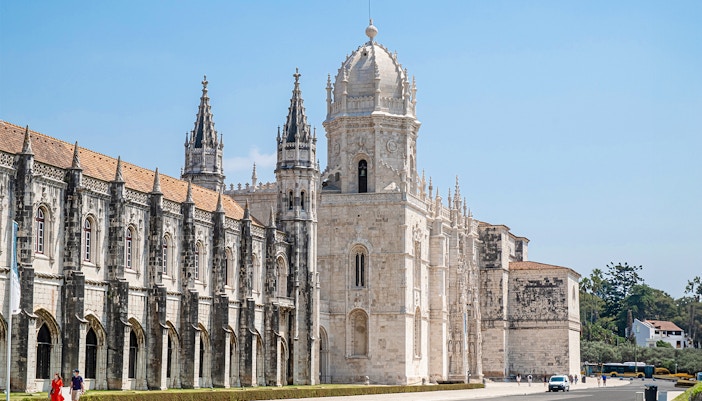
Planetarium + Jerónimos Monastery combo | Planetarium → Dome Show → Jerónimos Monastery → Church of Santa Maria | 2.5–4 hrs | Light to moderate | A complete half-day in Belém, pairing modern space science with 16th-century architecture. |
Which Navy Planetarium ticket is best for you
| Ticket type | What's included | Best for | Price range |
|---|---|---|---|
Planetarium Standard Entry | Entry to Navy Planetarium + Access to all internal exhibitions. | A short Belém stop where you want a seated indoor attraction without turning the visit into a half-day commitment. | From €12 |
Combo: Planetarium + Jerónimos | Entry to both sites + Extended validity for your visit date. | The "Belém Essentials" visit. It guarantees you see both the square's modern and historic anchors in one go. | From €29.92 |
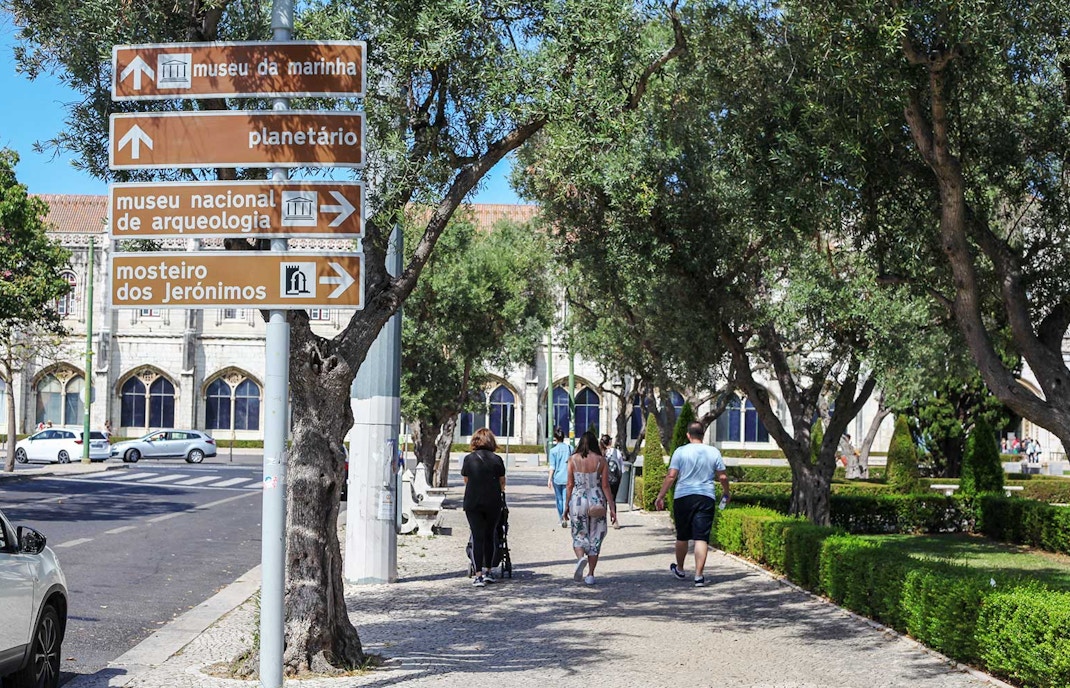
How do you get around Navy Planetarium?
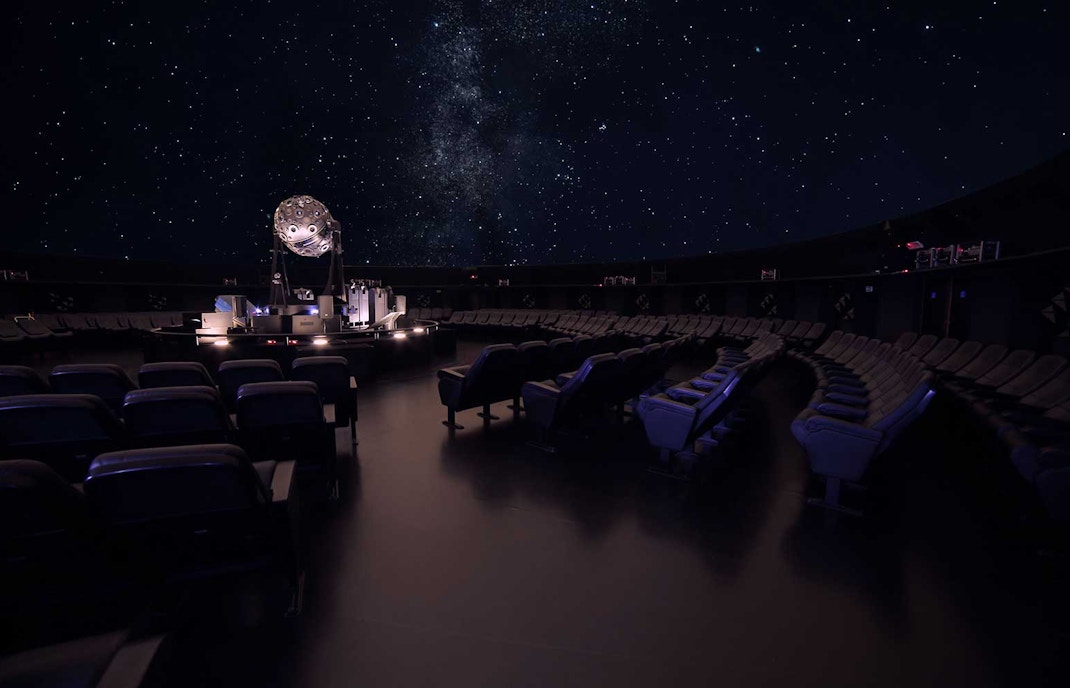
What happens inside Navy Planetarium?

Looking to the Sky!
Attribute — Show type: family sky show, age 4+
This is the safest all-round pick if you want the classic planetarium experience without committing to a very niche astronomy topic. It works well for mixed-age groups because it feels explanatory rather than overly technical, and it’s one of the better choices when grandparents, parents, and children are all sharing one session. What many visitors miss is that this broad family fit usually matters more than choosing the flashiest-sounding title.
Where to find it: Main dome auditorium; listed on the schedule as a family or general-public session.
Stars, galaxies and beyond!
Attribute — Show type: astronomy program, age 12+
This is one of the stronger options for adults, teens, and older children who actually want science content rather than just dome visuals. It leans more toward an educational astronomy session than a universal crowd-pleaser, which is exactly why it lands better if you already know you want depth. Many visitors rush past it in favor of broader titles, even though it is often the better fit for older audiences.
Where to find it: Main dome auditorium; check the live program for age 12+ sessions.
Phantom of the Universe
Attribute — Show type: cosmology program, age 12+
If you’re specifically interested in dark matter and a tighter science-film format, this is one of the most distinctive shows on the schedule. It’s shorter than some of the broader sky programs, which makes it a smart pick if you’re squeezing the planetarium into a larger Belém afternoon. What people often miss is that shorter here doesn’t automatically mean lighter — this one is more focused, not more casual.
Where to find it: Main dome auditorium; listed on the schedule as a themed astronomy show.
Captain Schnuppes – space travel
Attribute — Show type: preschool-friendly session, ages 3–10
This is the clearest choice for younger children, especially if you’re worried that a full astronomy lecture will lose them halfway through. It is shorter, gentler, and more story-led than the broader family programs, which makes it much better for small attention spans. The detail adults often miss is that a child-friendly title is not the same thing as a universal title — if you’re visiting without children, skip this one.
Where to find it: Main dome auditorium; look for the children’s session on the schedule.
Astronomy in the Lusiads
Attribute — Show type: heritage-themed session, age 14+
This is the most specifically Portuguese-feeling program in the lineup, linking astronomy to navigation, literature, and national maritime identity. It’s a smart pick if you want the planetarium to feel connected to Belém rather than separate from it. Many visitors never notice it because they default to the standard sky shows, but this is the session that most clearly justifies the venue’s Navy setting.
Where to find it: Main dome auditorium; check the schedule for older-teen and adult sessions.
The gallery
Attribute — Space type: supporting exhibition area
The gallery is not large enough to be the main reason you come, but it does add a worthwhile extra layer once the dome show ends. This is where the visit stretches from a single seated session into something closer to an hour, especially if you’re visiting with children who still have some curiosity left. Most people walk straight out after the show and miss the easiest extra 10–20 minutes in the building.
Where to find it: Just beyond the main auditorium route inside the planetarium building.
Facilities and accessibility
- 🍽️ Cafe / restaurant: The planetarium does not run its own café, so your most practical food stop is the neighboring Maritime Museum cafeteria and restaurant in the same broader complex.
- 🛍️ Gift shop / merchandise: The nearest reliable shop is the Maritime Museum store next door, which is stronger for nautical books and souvenirs than astronomy-themed merchandise.
- 🪑 Seating / rest areas: The main seating is inside the dome auditorium, which makes this one of the easier Belém attractions for visitors who want a sit-down stop rather than a long walking route.
- ♿ Mobility: Official pages say the building has equipment to facilitate access for people with reduced mobility, and the seated auditorium format is easier than many monument-heavy Belém visits.
- 👁️ Visual impairments: The experience is heavily visual and public pages do not emphasize tactile or audio-description tools, so this is not the strongest fit if you need non-visual interpretation.
- 🧠 Cognitive and sensory needs: Sessions use bright, intermittent visual effects and are not advised for visitors with photosensitive epilepsy, so program choice matters as much as timing here.
- 👨👩👧 Families and strollers: Families usually find the compact, seated format easy to manage, but children under 3 are not allowed and age guidance for each show should be taken seriously.
This works well for children if you pick the right age-banded show, because the venue is short, seated, and easier to manage than a large museum day.
- 🕐 Time: 45–60 minutes is realistic with younger children, and the best version is one child-appropriate session plus a quick look at the gallery.
- 🏠 Facilities: Family convenience comes more from the short, contained format than from extra kid zones, so plan food and longer breaks in the neighboring museum complex.
- 💡 Engagement: Choose by age band first and title second, because a shorter children’s session usually lands better than a more impressive-sounding adult astronomy program.
- 🎒 Logistics: Bring a light layer for the air-conditioned auditorium, arrive early, and skip overpacking because the visit is too short to justify bag hassle.
- 📍 After your visit: The Maritime Museum next door is the easiest child-friendly follow-up if you want to turn one seated hour into a fuller Belém outing.
Rules and restrictions
Practical tips
- If you need an English-language session, don’t head to Belém first and “figure it out there” — check the live program before you leave, because the next suitable slot may be hours away.
- Treat this as a timed seated show, not a free-flow attraction; if you arrive late, there is no casual catch-up route once the auditorium doors close.
- For the smoothest visit, use the official arrival rule as written: 15 minutes early for the first Tuesday–Friday 10am session, and 30 minutes early for the others.
- Save your decision-making energy for the program, not the building, because the biggest satisfaction gap here comes from choosing the wrong age band or language rather than missing a “must-see” room.
- Bring a light layer even in warm weather, because official guidance notes that the projection room can feel cold under air conditioning.
- A small bag is better than a large one, since the visit is short and the payoff from packing heavily is basically zero.
- Eat before or after the session rather than trying to cut it close, because the planetarium itself doesn’t have a café and a snack stop in Belém can easily eat into your buffer.
What else is worth visiting nearby?
Eat, shop and stay near Navy Planetarium
- On-site: The most practical food option is the Maritime Museum cafeteria and restaurant next door at Praça do Império; it’s more of a convenience stop than a destination meal, but it fits perfectly around a timed session.
- Pastéis de Belém (8-min walk, Rua de Belém 84–92): Lisbon’s classic custard tart stop, best for a fast post-visit sweet break if you don’t mind a line.
- Café do Museu de Marinha (2-min walk, Praça do Império): Coffee, light meals, and the easiest fallback if your session timing is too tight for a longer detour.
- Este Oeste (7-min walk, Praça do Império): A good sit-down lunch option inside the Centro Cultural de Belém area if you want something more substantial after the show.
- 💡 Pro tip: If you’re taking a midday family session, eat first or plan on the museum café afterward — Pastéis de Belém lines at lunch can wipe out your arrival buffer.
- Maritime Museum shop: Nautical books, maps, model ships, and Portugal-themed souvenirs next door in the shared complex, which is the most reliable post-show shopping stop.
- Pastéis de Belém takeaway counter: A boxed pastry stop is the easiest edible souvenir nearby, especially if you want something portable after the session.
Belém is pleasant, spacious, and very walkable for a short stay built around riverfront monuments and museums. It works well if you want Jerónimos Monastery, the Maritime Museum, and the waterfront close together, but it is quieter at night and less convenient than central Lisbon if the planetarium is only one stop on your trip.
- Price point: The area leans mid-range to upscale, with fewer budget options than Baixa, Chiado, or Cais do Sodré.
- Best for: Short stays centered on Belém sightseeing, families who want fewer transport hops, and slower travelers who like open space and riverside walks.
- Consider instead: Baixa, Chiado, or Cais do Sodré if you want better evening dining, easier citywide transit, and the freedom to do Belém as just one half-day.
Frequently asked questions about visiting Navy Planetarium
Most standalone visits take 45–75 minutes. The dome show itself usually runs about 24–50 minutes depending on the program, and the rest of the time goes on arrival, seating, and a brief look at the gallery. If you pair it with the Jerónimos Monastery, allow 2.5–4 hours total.
No, but booking ahead is smart if you need a specific English-language or child-friendly session. This is less about broad sellout pressure and more about matching the right time slot to your plan. Same-day visits work best on quieter weekdays when you’re already in Belém and can be flexible.
No, not in the way it is at Lisbon’s major monuments. The bigger issue here is timed-session discipline, not huge permanent entry lines. Prebooking helps with convenience and reduces uncertainty, but it does not turn this into a true fast-track attraction, and you still need to arrive before the show starts.
Arrive 15–30 minutes early, depending on the session. Official guidance says 15 minutes early for the first Tuesday–Friday 10am session and 30 minutes early for the others. That buffer matters because late entry to the auditorium is not permitted once the show begins.
Yes, a small bag is the easiest option. This is a short visit, so you don’t gain much by carrying a large backpack through Belém, and baggage facilities are not the attraction’s main selling point. Travel light, especially if you are stacking the planetarium between other timed sights.
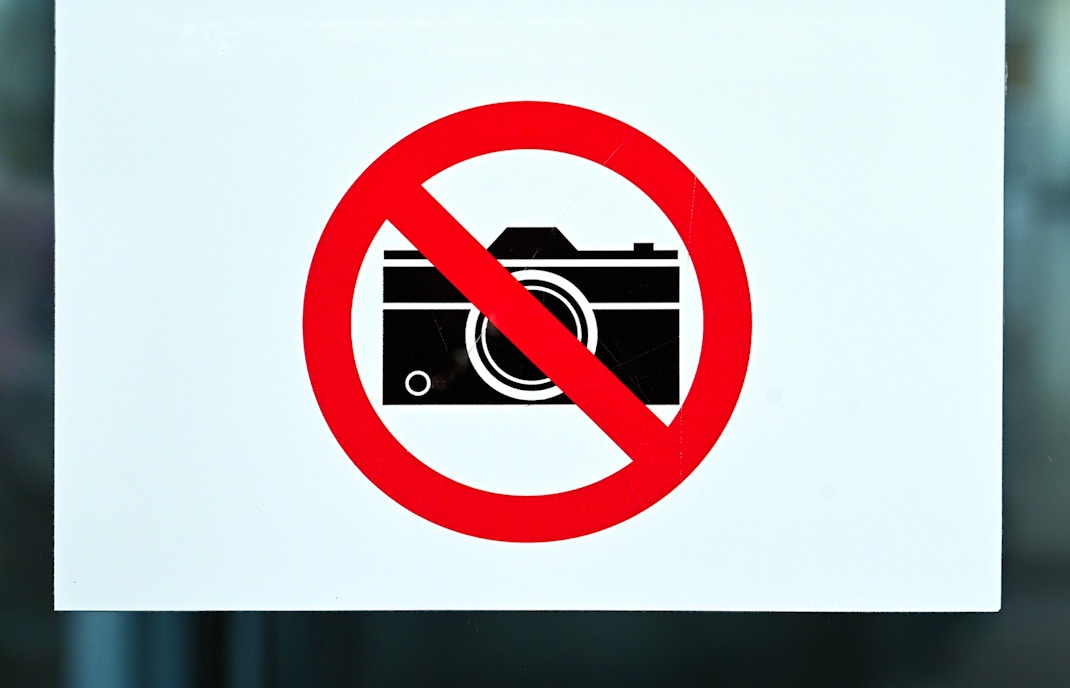
Not during the dome session. Phones must be off, artificial light is prohibited, and the auditorium experience is meant to stay fully dark. Outside the session, the venue is less restrictive than inside the dome, but you should assume no filming or photography once you’re seated for the show.
Yes, and it works well for groups as long as everyone is booked into the same session. The experience is auditorium-based rather than spread across multiple rooms, so timing matters more than route planning. Group visitors usually have the smoothest visit when they arrive together and choose a program that matches the whole group’s language needs.
Yes, if you choose the right age-banded show. This is one of the easier family stops in Belém because it is short, seated, and weather-proof. The main thing that separates a good family visit from a bad one is picking a child-appropriate session instead of assuming any astronomy program will work equally well.
Yes, the venue publicly states that it has equipment to facilitate access for visitors with reduced mobility. The seated auditorium format also makes it easier than several nearby historic monuments. If you need very specific access support, it is still worth checking details before you book because the building is part of a historic cultural complex.
Yes, but not really inside the planetarium itself. The practical option is the neighboring Maritime Museum cafeteria and restaurant in the same complex, and there are stronger food stops a short walk away in Belém. Plan to eat before or after your session rather than trying to fit food into the middle.
No, you should not assume that an English-language session will be available soon after you arrive. English does appear in the program mix, but it is not a continuous all-day pattern, and this is one of the biggest pain points in public reviews. Check the exact schedule before you travel to Belém.
No, children under 3 are not allowed inside the planetarium. This is a hard rule and matters more than the softer age guidance attached to individual shows. If you’re visiting with very young children, wait until they are old enough for the shortest child-focused program instead of trying to push the rule.