



















Top things to do in Lisbon

Quick summary

  • Tours from: €30
  • Group format: Pre-booked groups
  • Language: English
  • Duration: About 1.5 hours
  • Entry window: Chosen date/time
  • Stay after tour: Yes
  • Focus: Species and conservation

Why choose a guided tour

✔ See the aquarium as one ecosystem

Without context, the Oceanário can feel like a sequence of beautiful tanks. An English-speaking Oceanário guide helps you read the building as it was designed — one connected ocean, with the central tank and surrounding habitats working together instead of as separate stops.

✔ Catch details you’d otherwise miss

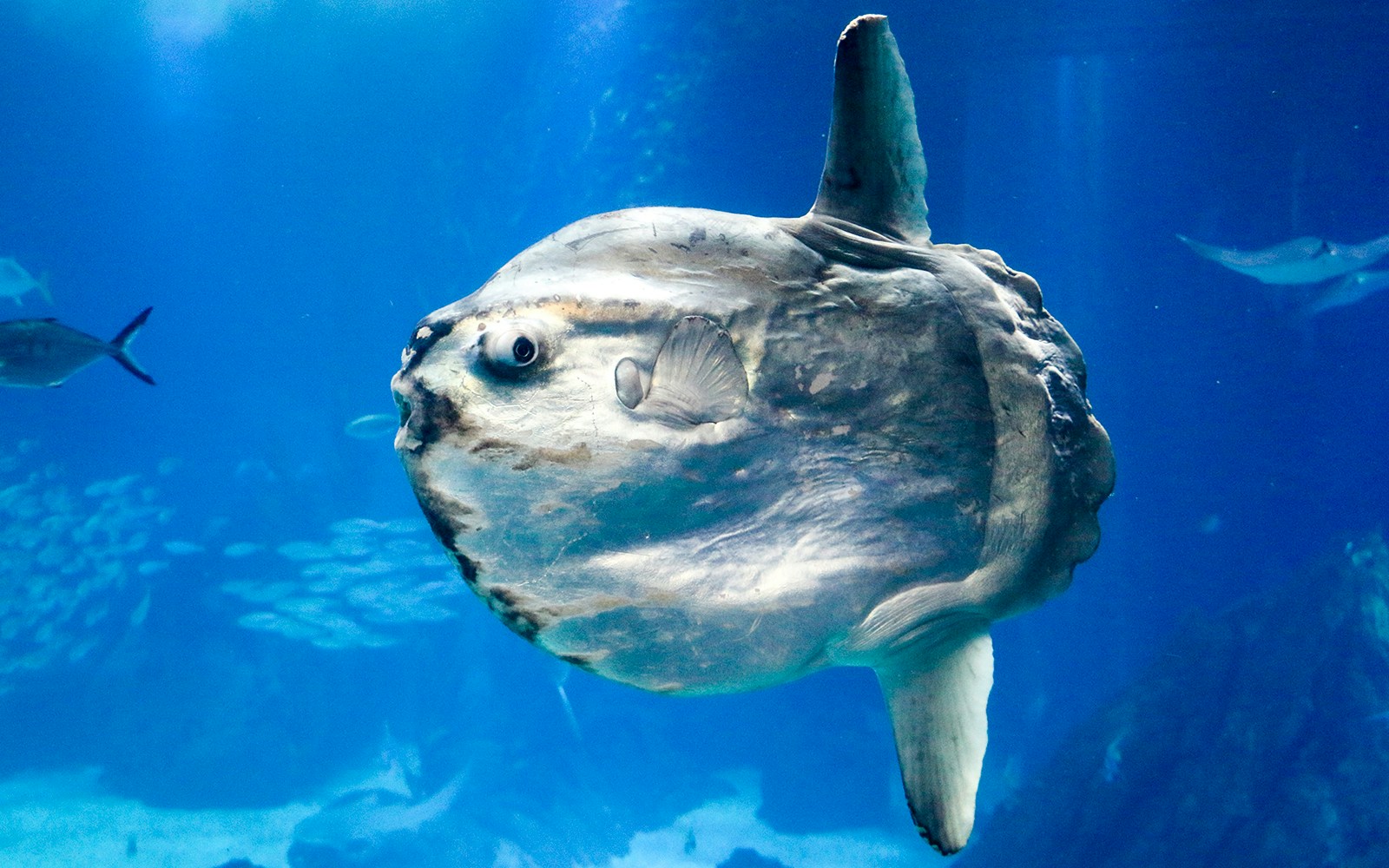
A guided visit helps you notice why the main tank feels endless, how the hidden acrylic walls connect habitats, and which species are genuinely unusual, like the ocean sunfish. That added interpretation turns a walk-through into a clearer understanding of marine life and exhibit design.

✔ Cover the major zones efficiently

The Oceanário is easy to enjoy at your own pace, but a guided route helps first-time visitors avoid zigzagging or missing key viewpoints. You’ll move through the major habitats, central viewing windows, and temporary exhibition areas in a logical sequence that saves time.

✔ Ask questions as you go

Static labels can tell you what a species is. A live guide can explain why sea otters behave the way they do, how the aquarium maintains different environments, and what Oceanário’s conservation work looks like in practice. That interaction is the main difference between browsing and learning.

What to expect on a guided tour of Oceanário de Lisboa
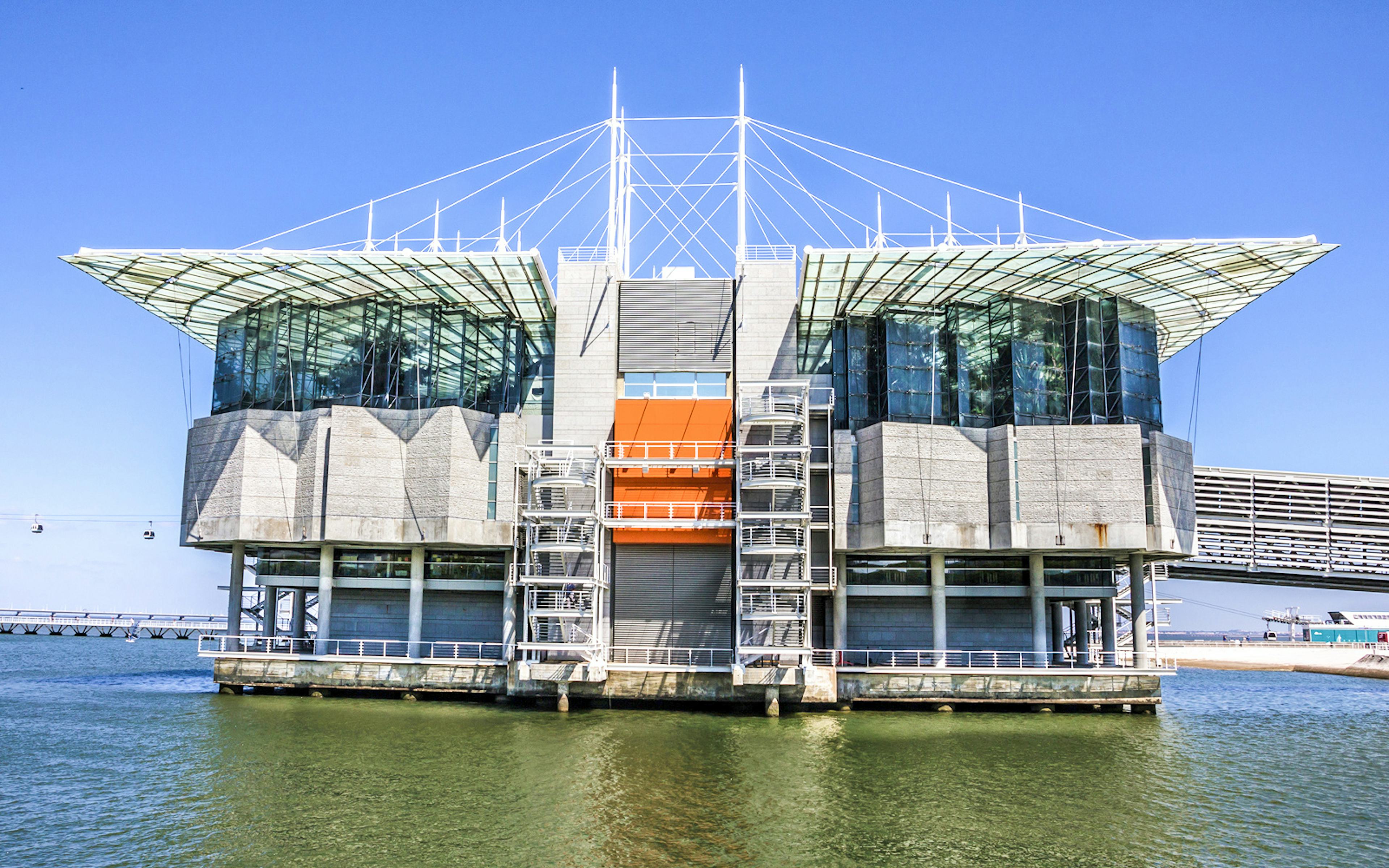
Lisbon Oceanarium exterior with water and cable cars in the background.
1/6

Meet your guide at the main entrance

Arrive at least 15 minutes before your selected time at the Oceanário de Lisboa entrance. Your timed ticket controls entry, not how long you stay inside. Once checked in, the English guided visit begins with a short orientation to the building, route, and the aquarium’s conservation mission.

Start with the central open-ocean tank

Most guided visits begin where the Oceanário makes its strongest first impression — the huge central tank visible from multiple levels. From the upper viewpoints, the guide explains how sharks, rays, schooling fish, and the ocean sunfish share a carefully balanced environment built to represent the open sea.

Circle the surrounding ocean habitats

The route usually moves through the four themed marine environments arranged around the main tank. This is where guided commentary adds value, helping you understand how the North Atlantic, cold-water coasts, Pacific kelp forest, and tropical reef zones differ in species, temperature, and ecology.

Drop to the underwater viewing level

The lower level changes the experience completely. Larger viewing windows bring you face-to-face with rays, groupers, barracudas, and other species from below the surface line. The slower pace here gives more room to explain animal behavior, feeding patterns, and how the same tank feels different from each level.

Continue into smaller displays and temporary exhibitions

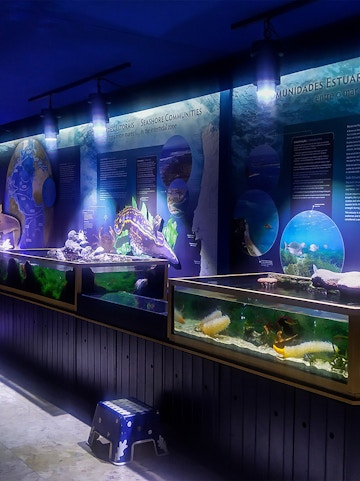
After the headline habitats, guided visits often include smaller highlights such as jellyfish, seahorses, and interpretive galleries, plus the temporary exhibition wing included with admission. This section shifts the focus from spectacle to detail, design, and Oceanário’s broader environmental messaging.

Stay and explore after the guided section

Once the guided portion ends, you can usually remain inside and revisit favorite viewing windows at your own pace. The central tank rewards a second look, and there’s also an on-site café, a gift shop, and the Telecabine cable car a short walk away if you want to extend your visit.

Guided tour vs. audio guide

A standard self-guided ticket gives you full control over pacing — you can spend 20 minutes at the central tank, move quickly through smaller galleries, or linger in the temporary exhibition. The guided option adds structure, a clearer route, and live explanations about species, habitats, and conservation work. For first-time visitors, that structure usually makes the visit easier to follow.

Highlights covered on the tour

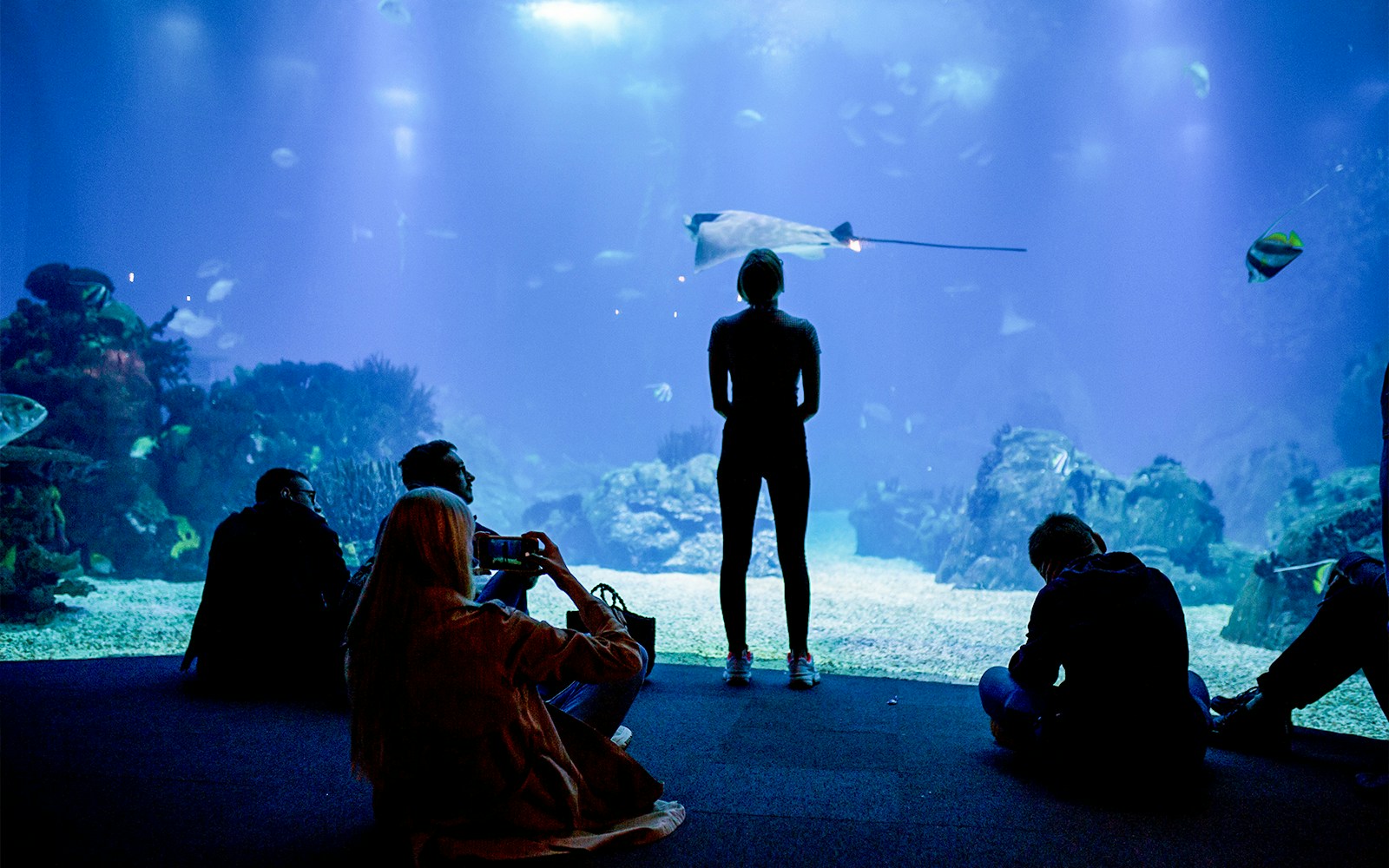
Visitors observing marine life at Lisbon Oceanarium.

Open-ocean tank

Location: Central hall, upper and lower levels

The 5-million-liter main tank anchors the whole visit, bringing sharks, rays, and schooling fish into one continuous, open-sea panorama.

Sunfish swimming underwater in a blue ocean environment.
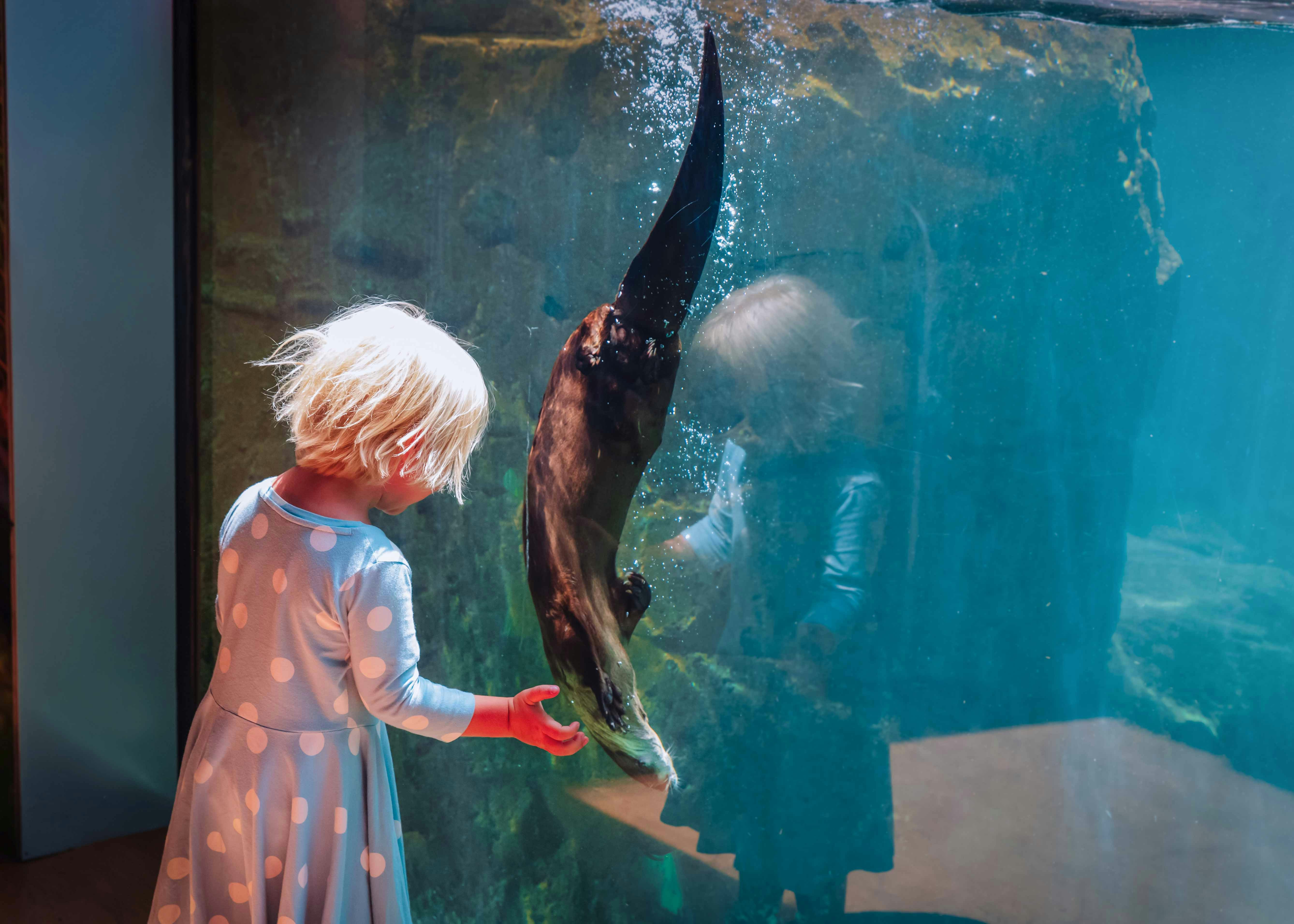
Child interacting with sea otter at Lisboa Aquarium.
Penguins gathered on rocky terrain at Lisbon Oceanarium.
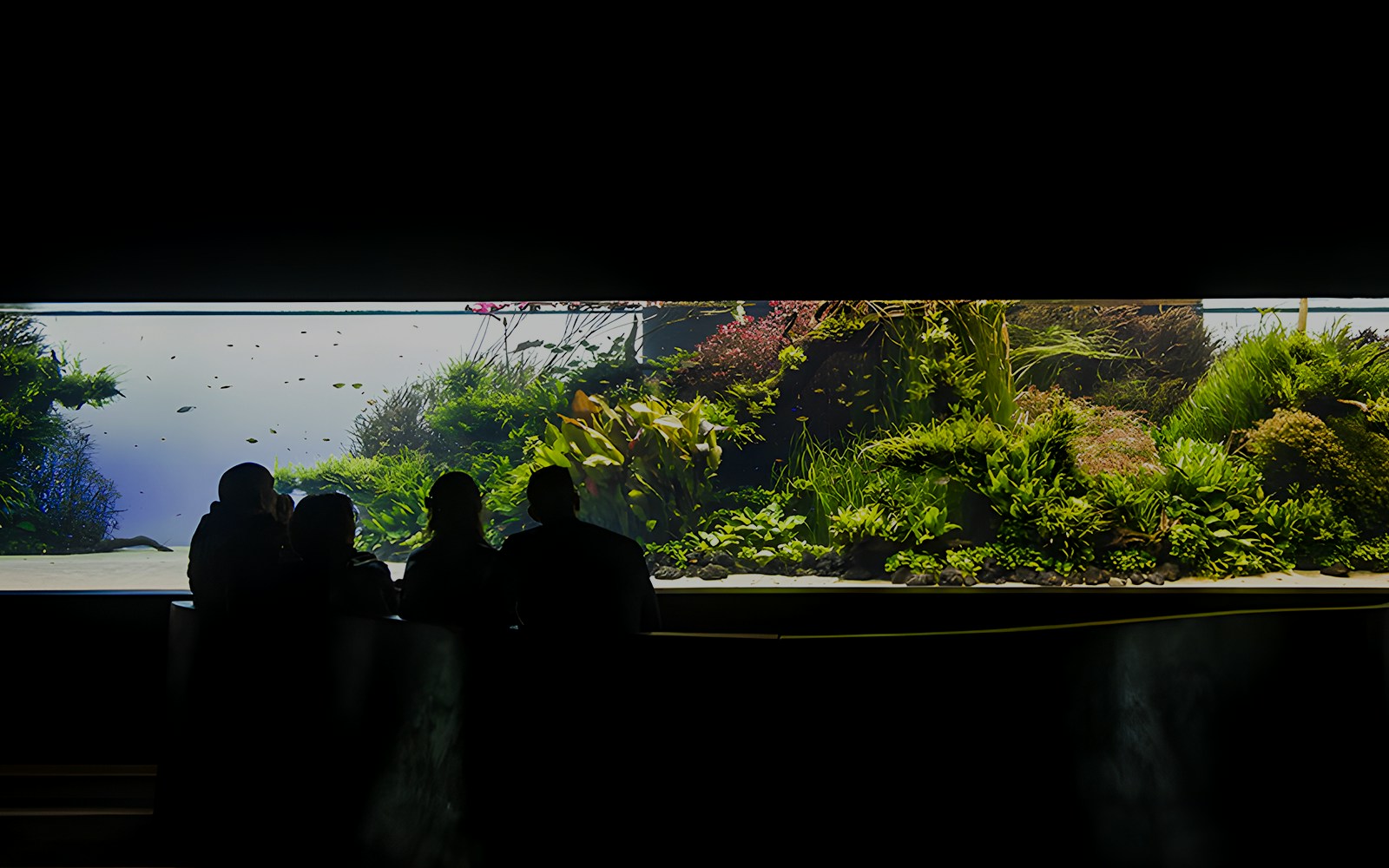
Visitors viewing underwater forest exhibit at Lisbon Oceanarium.

Things to keep in mind when you go on a tour

  • Restrooms: Accessible restrooms are available on site and easy to reach during or after your visit.
  • Elevators: Elevators connect the main exhibition levels, making movement between upper and lower viewpoints easier.
  • Café: An on-site café offers light food and drinks, useful if you want a break after the guided section.
  • Gift shop: The shop near the exit stocks marine-themed books, gifts, and souvenirs.
  • Parking: Paid parking is available nearby in Parque das Nações, useful if you’re arriving by car.
  • Photo ID: Bring a valid photo ID in case staff ask to match it with the booking name.
  • Comfortable shoes: Expect a steady indoor route through large exhibition areas across more than one level.
  • Light layer: Indoor temperatures are comfortable, but some visitors prefer a light extra layer in air-conditioned spaces.
  • Phone: Keep your mobile ticket ready for scanning at entry, especially if you’re arriving close to your time slot.
  • Prohibited items: Do not bring pets, weapons, sharp objects, alcohol, or drugs into the venue.
  • Arrive early: Get there at least 15 minutes before your selected entry or tour time to avoid missing the start.
  • No smoking: Smoking is not allowed anywhere inside the Oceanário.
  • No flash photography: Photography for personal use is fine, but flash should not be used near the exhibits.
  • Respect barriers: Do not tap on tanks, cross barriers, or interfere with animals or staff-led activities.
  • No dangerous items: Weapons and sharp objects are strictly prohibited inside the building.
  • Choose opening time or late afternoon: Those are usually calmer than late morning and early afternoon, when the aquarium is busiest.
  • Use the tour first, then revisit: The guided route helps you understand the layout, and a second self-guided pass lets you linger where you want.
  • Plan around the weather: Rainy weekends can be especially busy because this is one of Lisbon’s strongest indoor attractions.
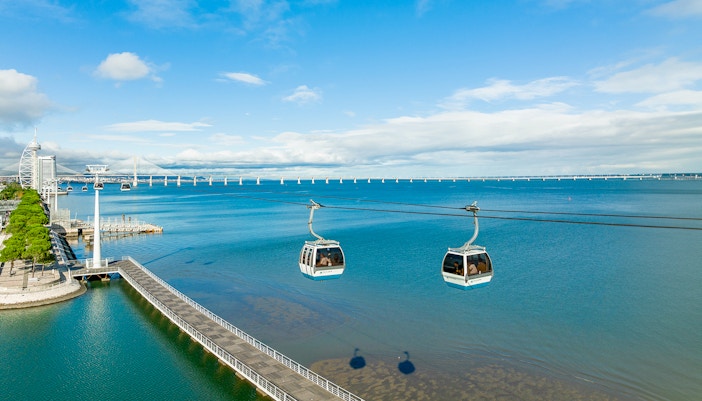
  • Pair it with the waterfront: The Telecabine cable car is about 5 minutes away and works well after your aquarium visit.
  • Set aside 2 hours minimum: That gives you enough time for the guided section plus extra time at the central tank and temporary exhibition.
  • Wheelchair access: The Oceanário is wheelchair accessible, with ramps and elevators throughout the building.
  • Accessible restrooms: Accessible restrooms are available on site.
  • Flat surroundings: Parque das Nações is one of Lisbon’s easiest districts to navigate with a wheelchair or stroller.
  • Seating options: Benches and resting points help visitors who prefer a slower pace.
  • Large-format visit: Even with elevators, the route covers multiple galleries, so allow extra time if you want a more relaxed pace.

Frequently asked questions about Oceanário de Lisboa guided tours

A guided tour is better if you want structure and explanation, not just access. A standard ticket lets you move at your own pace, while the English guided option helps you understand how the central tank, surrounding habitats, and conservation messaging fit together in one clear route.

More reads

Information unavailable.