Budget 60–90 minutes for a focused visit and up to 2 hours if you read the panels closely or pause in every gallery. The collection is spread across 3 levels and 11 themed rooms, so it rewards a steady, sequential visit more than a quick skim.
Is the Royal Treasure Museum worth visiting?
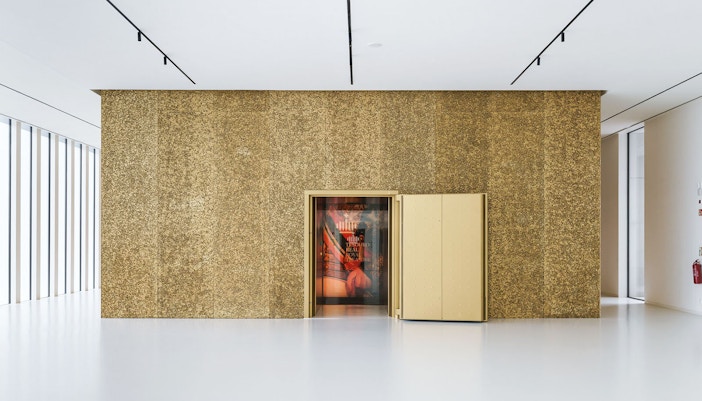
Nothing about the entrance prepares you for the moment the vault doors give way and the light hits gold, silver, and gemstones at close range. The rooms are hushed, tightly controlled, and surprisingly intimate, so you’re not viewing royal myth from afar; you’re standing in front of the objects that carried it.
The museum was created to finally bring Portugal’s Crown Jewels and royal treasury into public view. Inside Ajuda Palace’s purpose-built vault, the collection reads like a compact history of monarchy, ceremony, diplomacy, and imperial wealth.
What lingers is the contrast: dazzling objects shown in a space that feels almost clinical, making every crown, medal, and silver centerpiece seem even more unreal. You leave understanding how power was staged, worn, and displayed.
Skip it if: you dislike security checks, enclosed gallery spaces, or have less than 1 hour to spare.
What to see inside the Royal Treasure Museum?
1/6
Gold and diamonds from Brazil
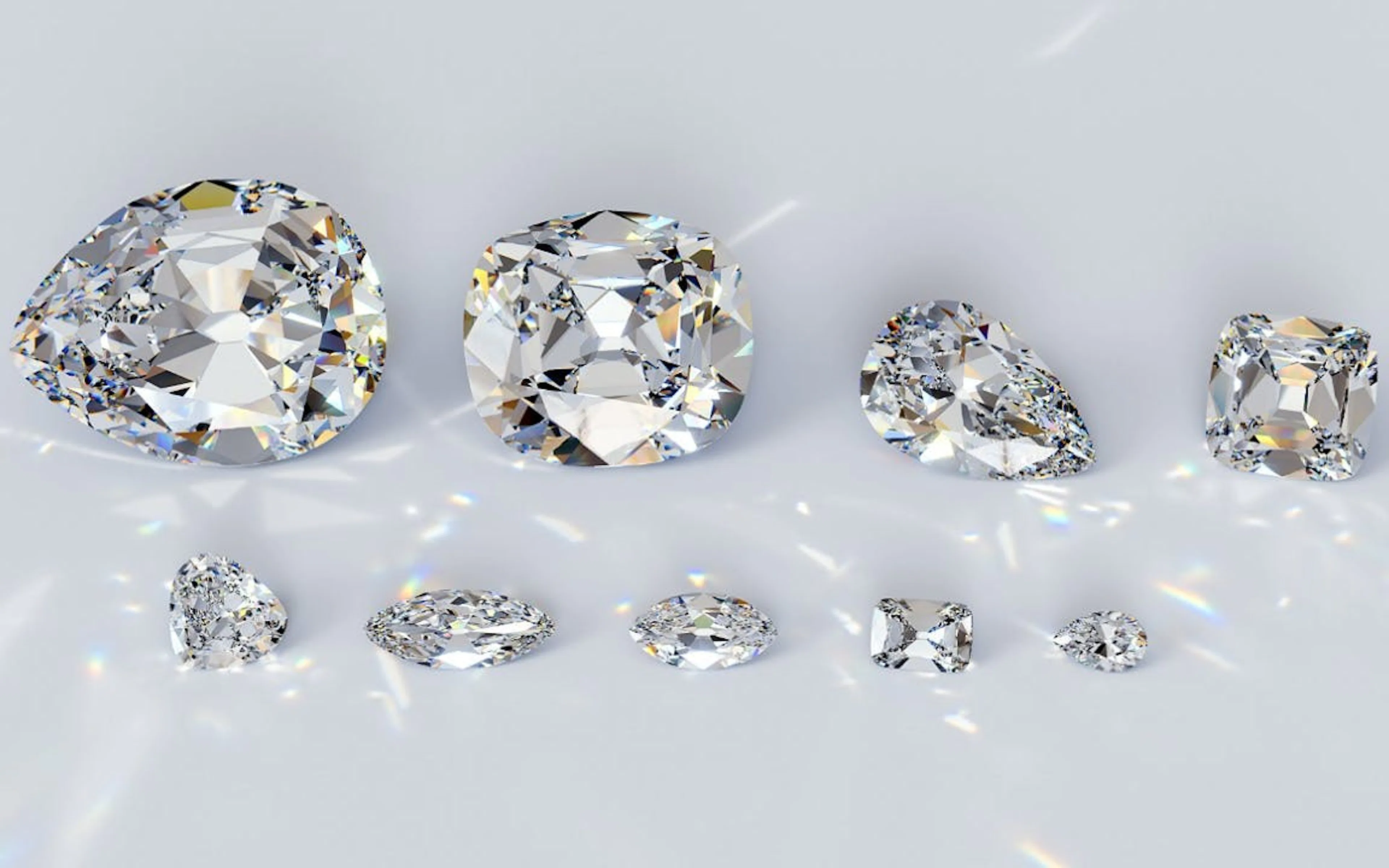
The opening galleries show the raw wealth behind the collection: Brazilian gold and uncut diamonds before they became royal display pieces. Start here to understand where the later regalia gets its material and political weight.
The crown jewels and regalia
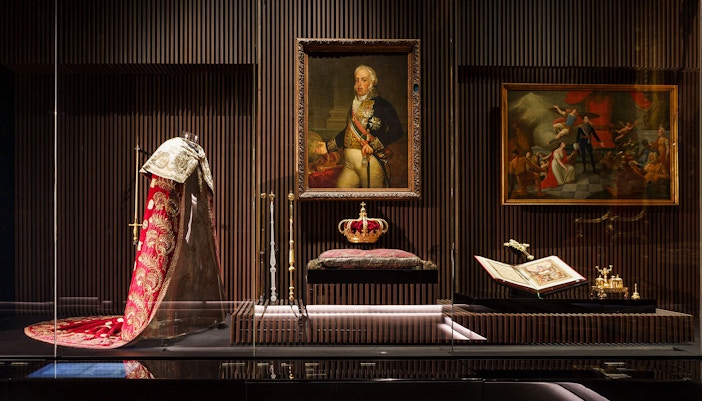
The royal crown, scepters, ceremonial swords, and crimson coronation mantles are the emotional center of the museum. This is where most visitors slow down, and weekday mornings usually offer the clearest views.
Orders and decorations
Cases of jeweled crosses, stars, ribbons, and medals trace Portugal’s chivalric and diplomatic world. Read the labels here; the symbolism matters, and this room often feels calmer while crowds cluster around the crown.
Royal silverware
Banqueting silver, serving pieces, and ceremonial tableware reveal court life beyond the throne room. The lighting is deliberately soft, so move around the cases to catch engraved crests and surface detail.
The Golden Roses
These rare papal gifts are easy to miss if you rush toward the exit. Stop for the display notes too; the story of who received each rose gives the objects far more force than photographs do.
The Germain silver service
This complete 18th-century banquet service is one of the museum’s most impressive finales. Give it time: from a distance it reads as spectacle, but up close the handles, coats of arms, and sculpted forms do the real work.
How to explore the Royal Treasure Museum
Start with the Brazilian gold and rough diamonds, because that origin story makes the later rooms easier to understand. From there, move upward through the regalia and orders before ending with the great silver displays; the route works because the objects become larger, more ceremonial, and more theatrical as you go, and the final galleries deliver the strongest visual payoff.
Must-see: the royal crown and scepters, the crimson coronation mantles, the Golden Roses, and the Germain silver service. Optional: the orders and decorations cases if you’re short on time; they add valuable diplomatic context, but reading them properly can take 20–30 extra minutes.
Guided vs self paced: Self-paced works well here because the signage is strong, but guided context helps if you want to connect individual jewels, medals, and gifts to Portuguese royal politics rather than seeing them as beautiful isolated objects.
Brief history of the Royal Treasure Museum
- 18th century: Gold and diamonds from Portuguese Brazil transformed the scale of the royal treasury and funded many of the jewels and ceremonial objects seen today.
- 1755: After the Lisbon earthquake, the Crown commissioned new luxury objects, including the great Germain silver service that now anchors one of the museum’s strongest galleries.
- 19th century: The treasury continued to grow through royal commissions, diplomatic gifts, orders of merit, and court ceremony.
- 1910: The Portuguese monarchy fell, ending royal rule and placing the Crown’s treasures under state custody.
- 20th century: Much of the collection remained protected, studied, and only rarely shown to the public.
- 2022: The Royal Treasure Museum opened in Ajuda Palace, giving Portugal’s Crown Jewels a permanent public home in a purpose-built vault.
Architecture of the Royal Treasure Museum
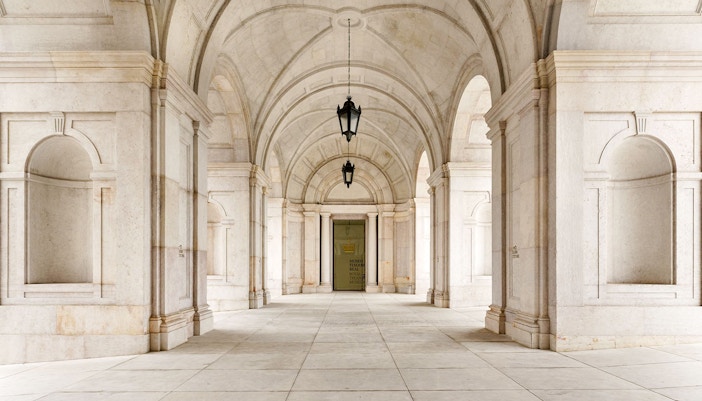
Style: Contemporary museum design set within Ajuda Palace. Instead of palace ornament, the space feels controlled, metallic, and ceremonial, which suits a collection built around power and display.
Materials: What visitors notice most are glass vitrines, reflective golden surfaces, and heavy security elements that keep the focus on the objects while reinforcing the sense of entering a treasury.
Vault structure: The museum is effectively a giant safe spread across 3 levels, entered through 5-ton security doors that make the transition into the collection part of the experience.
On the ground: Quiet rooms, controlled lighting, and generous spacing push your attention onto gem color, embroidery, and silverwork rather than the room itself.
Who built the Royal Treasure Museum?
The museum is less about a single star architect than a state decision to finally bring Portugal’s royal treasury into public view. Its purpose-built vault within Ajuda Palace was designed around protection, display, and controlled access, turning security itself into part of the visitor experience.
Why the museum’s opening mattered
Before 2022, much of Portugal’s royal treasury lived more in archival memory than in public imagination. The museum changed that by giving the collection a permanent, purpose-built home instead of treating it as an occasional special display. That matters in Lisbon, where royal history is often told through architecture, churches, and monuments rather than through the objects rulers actually wore, exchanged, and used. Here, the story becomes personal: medals, mantles, diplomatic gifts, and table silver reveal monarchy as performance, protocol, and material culture at once.
Book your tickets to Royal Treasure Museum
Frequently Asked Questions About the Royal Treasure Museum
Yes, especially if you’re interested in royal history, jewelry, or decorative arts. The collection is focused rather than sprawling, so it fits well into a half-day plan. You can book Skip-the-Line Tickets to the Royal Treasure Museum in advance.
Most visitors spend 60–90 minutes. Budget closer to 2 hours if you read the interpretive panels carefully, linger in the orders gallery, or pair the visit with coffee and Ajuda Palace next door. Plan your visit to the Royal Treasure Museum.
Don’t miss the royal crown and scepters, the crimson coronation mantles, the Golden Roses, and the Germain silver service. Together, they show ceremony, diplomacy, and court life better than the smaller jewel cases alone. See what's inside the Royal Treasure Museum.
Yes, for most families and first-timers. The glittering objects keep children engaged, but the museum is quiet and formal, so it works best for kids who can move slowly and handle security screening. book Skip-the-Line Tickets to the Royal Treasure Museum
Weekday mornings are best if you want clearer views of the crown jewels and fewer people in the silver galleries. Late afternoon is also calm. Summer midday tends to feel busier with tour traffic. See the best time to visit Royal Treasure Museum.
Usually, yes. Lines are not Colosseum-long, but advance booking saves time at the entrance and works well if you’re building a Belém-Ajuda day around other timed sights. book Skip-the-Line Tickets to the Royal Treasure Museum before you go.