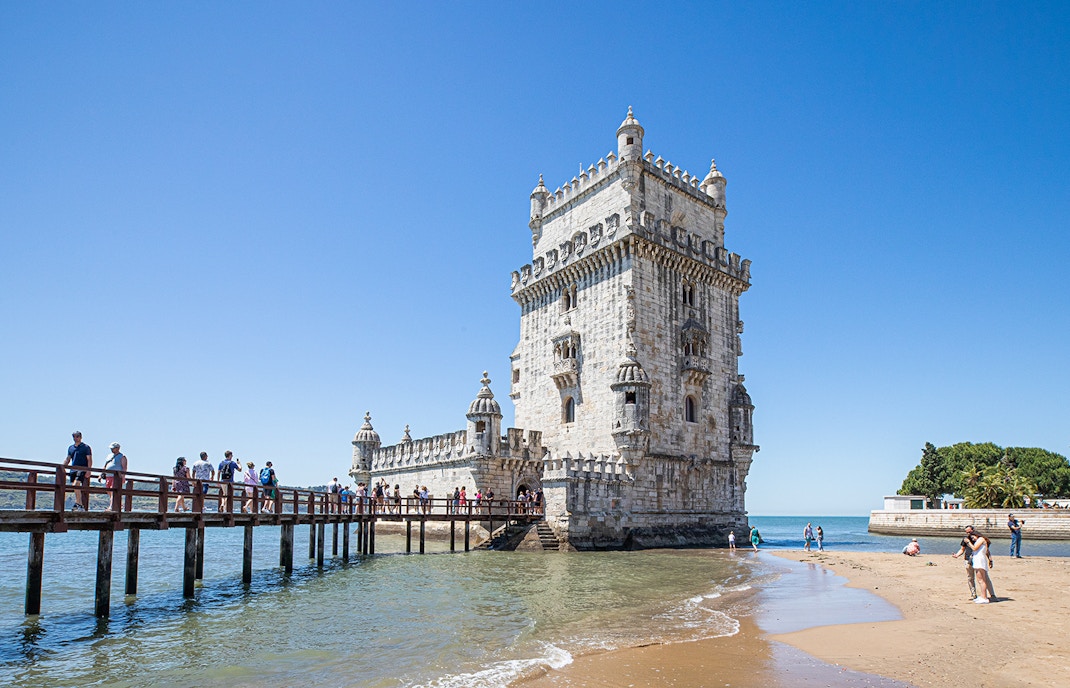
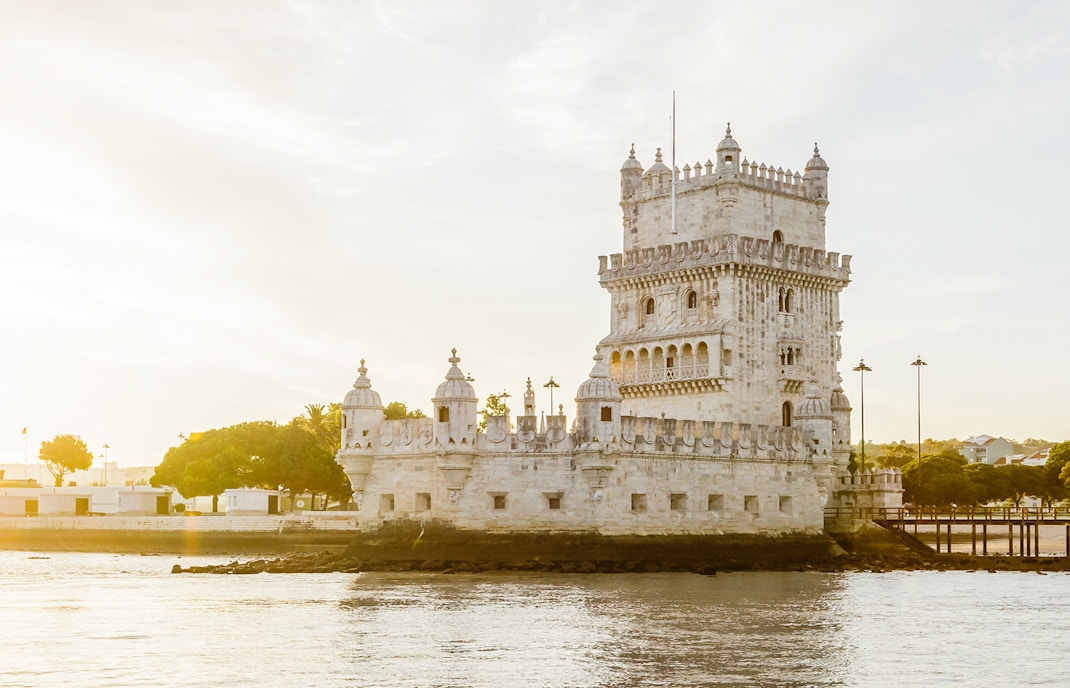
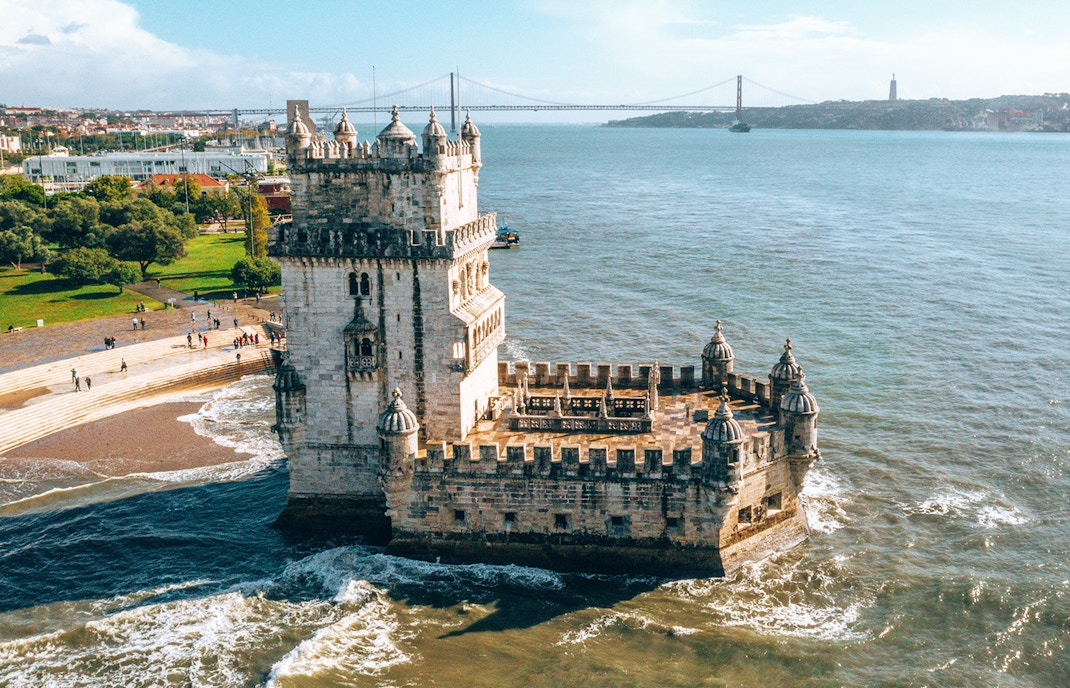
Belem Tower was commissioned by King Manuel I and built between 1514 and 1520, right when Portugal was dominating the Age of Discovery. Think of it as the kingdom's main flex, a stone fortress guarding the Tagus that basically screamed "we run the seas" to anyone sailing into Lisbon. Iconic move.
Belém Tower facts decoded | Why this Portuguese gem is absolutely unhinged
Okay, Lisbon girlies, history nerds, and chronic daydreamers: pull up. We need to spill the tea on Belém Tower, the 500-year-old, lace-collared fortress floating on the Tagus that's been serving jaw-dropping views since 1520. UNESCO-stamped, rhino-decorated, and packed with plot twists, these Belém Tower facts are about to live rent-free in your brain.
12 Belém Tower facts worth knowing
1. It's basically a Renaissance flex
2. The architect had a Moroccan glow-up
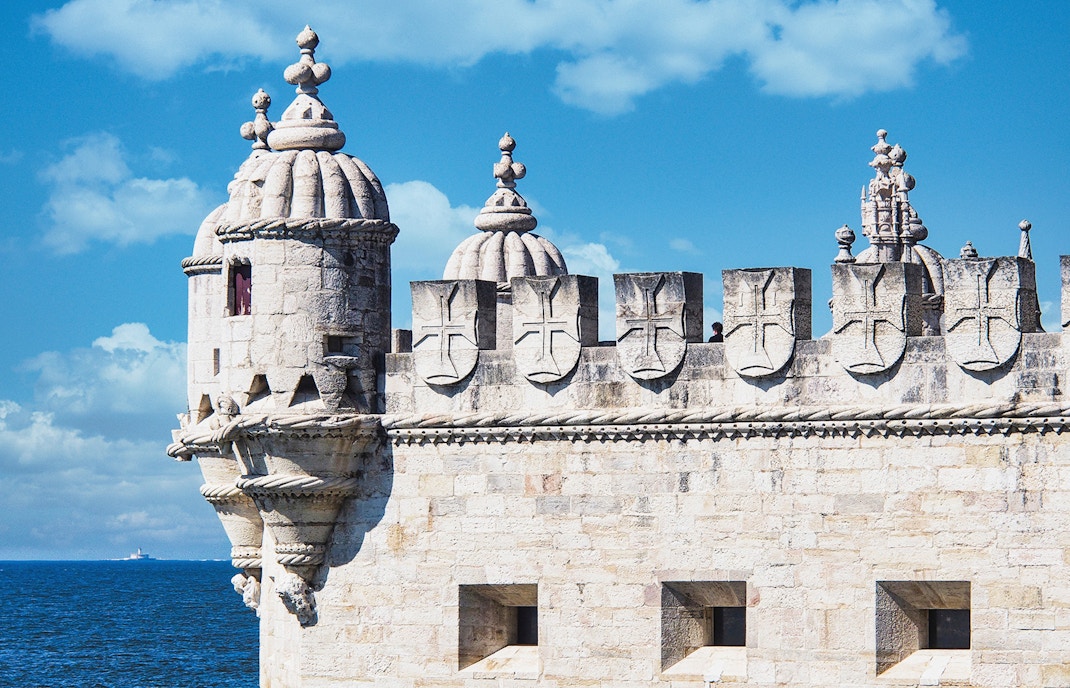
Designer Francisco de Arruda had a serious portfolio before this gig. He'd built Portuguese fortresses in Morocco, which is why Belem Tower casually drops Moorish-style domed turrets and arched windows into its design.
3. Manueline architecture is its whole personality
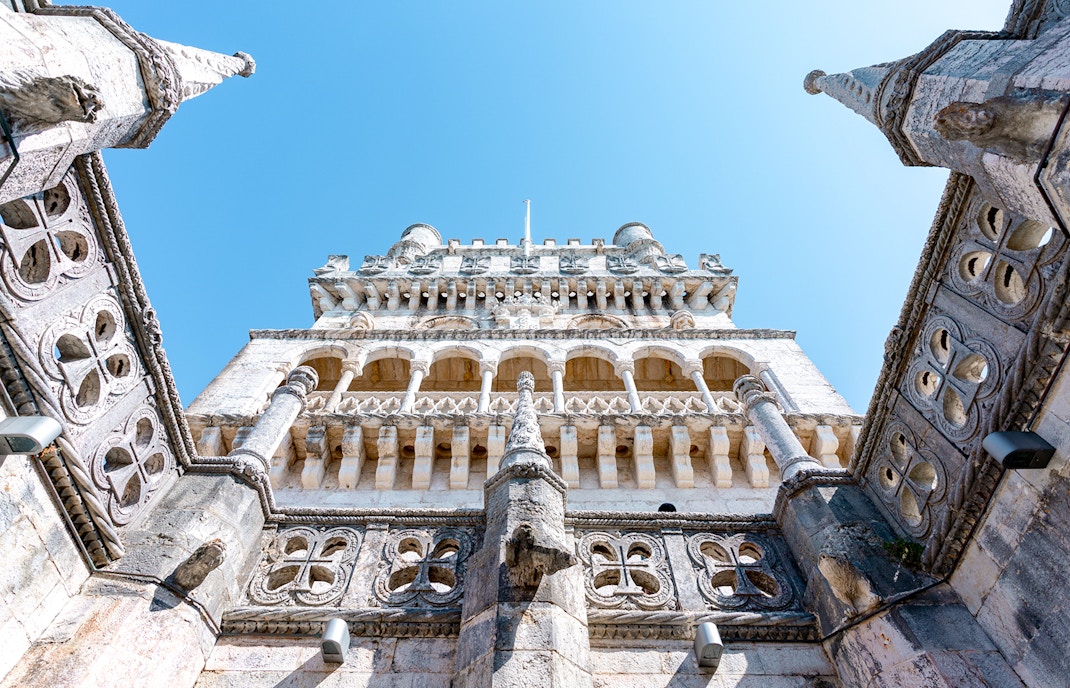
Belem Tower is the moodboard for Manueline architecture, Portugal's late-Gothic style, decorated with maritime motifs everywhere. We're talking carved ropes, knots, armillary spheres, and crosses of the Order of Christ literally crawling up the walls. Basically, what happens when an ocean obsession meets a stonemason on a deadline.
4. UNESCO + Seven Wonders
One of those Belém Tower fun facts history teachers love: in 1983, it was named a UNESCO World Heritage Site alongside the Jerónimos Monastery. Then in 2007, it leveled up again as one of the Seven Wonders of Portugal. Two prestigious lists, one tiny tower. The audacity, but also earned.
5. "Belem" isn't even its real name
Plot twist: its government name is the Tower of Saint Vincent (Torre de São Vicente), named after Lisbon's patron saint. "Belem" is just the neighborhood it lives in. The casual nickname stuck so hard that nobody calls it by its actual name anymore.
6. It's twinning with the monastery next door
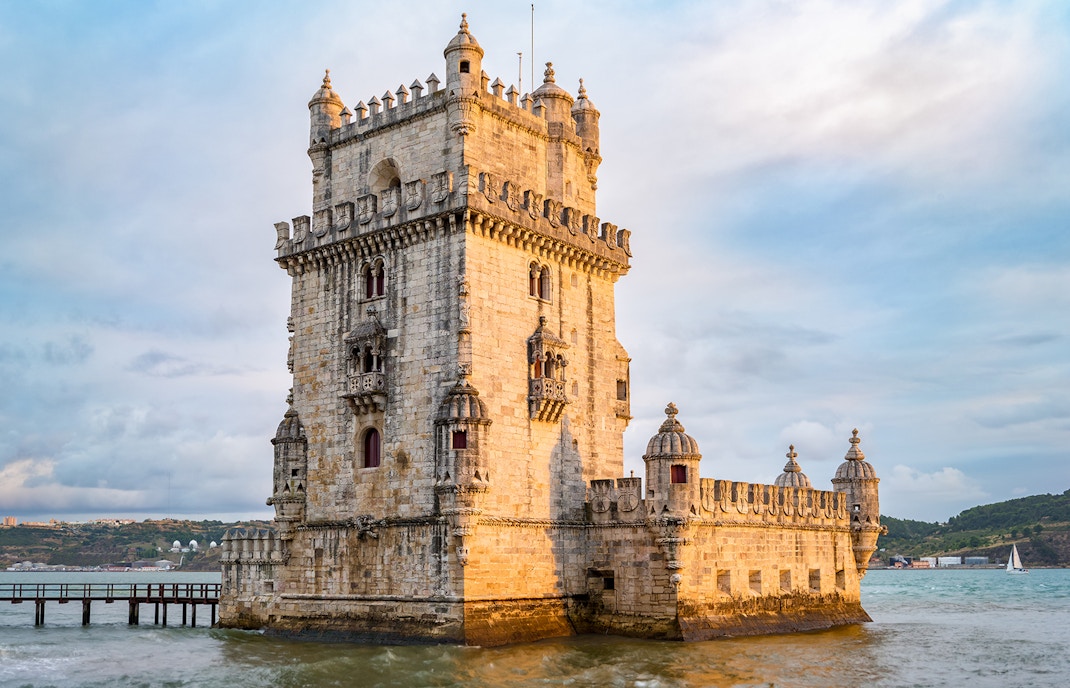
Belem Tower and the nearby Jerónimos Monastery share the exact same building material: a creamy local limestone called lioz. So yes, they're stone-cold twinning. That glowy off-white tone you see in every Lisbon postcard? That's Lioz doing the most under the Portuguese sun, aging gracefully for half a millennium.
7. There's a tiny rhino carved into it (yes, really)
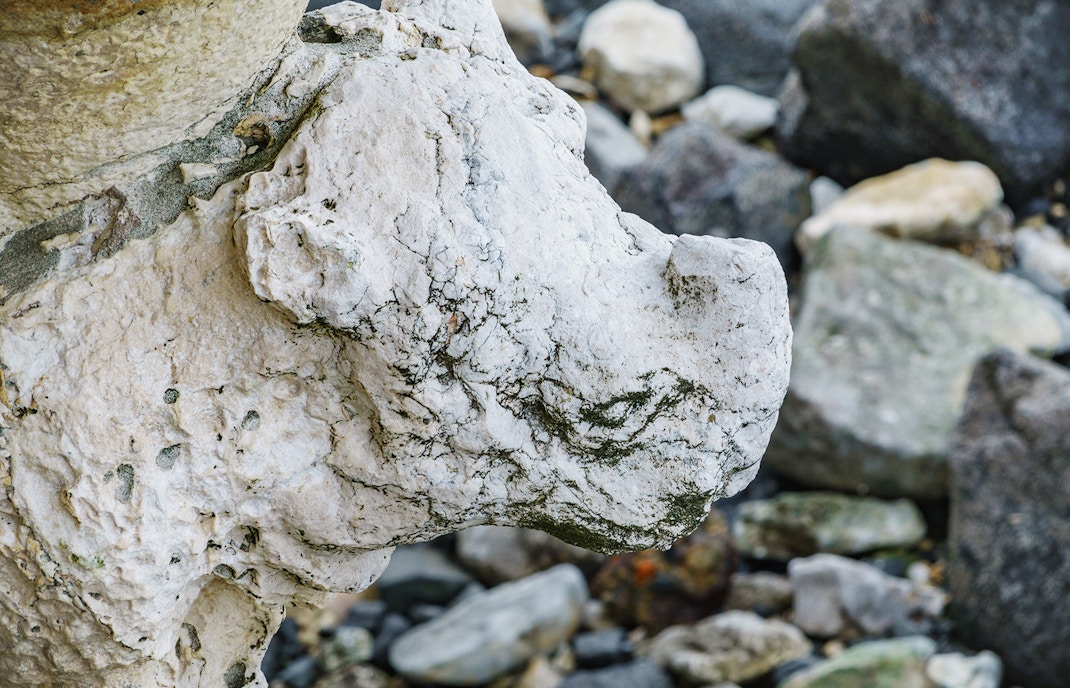
One of the wildest Belém tower fun facts: there's a teeny rhinoceros carved at the base of one of the turrets. It's believed that to honor Ganda, a real Indian rhino, King Manuel I shipped it to Pope Leo X in 1515 as a gift. It's the first known stone sculpture of a rhino in Western European art.
8. It used to sit on its own little island
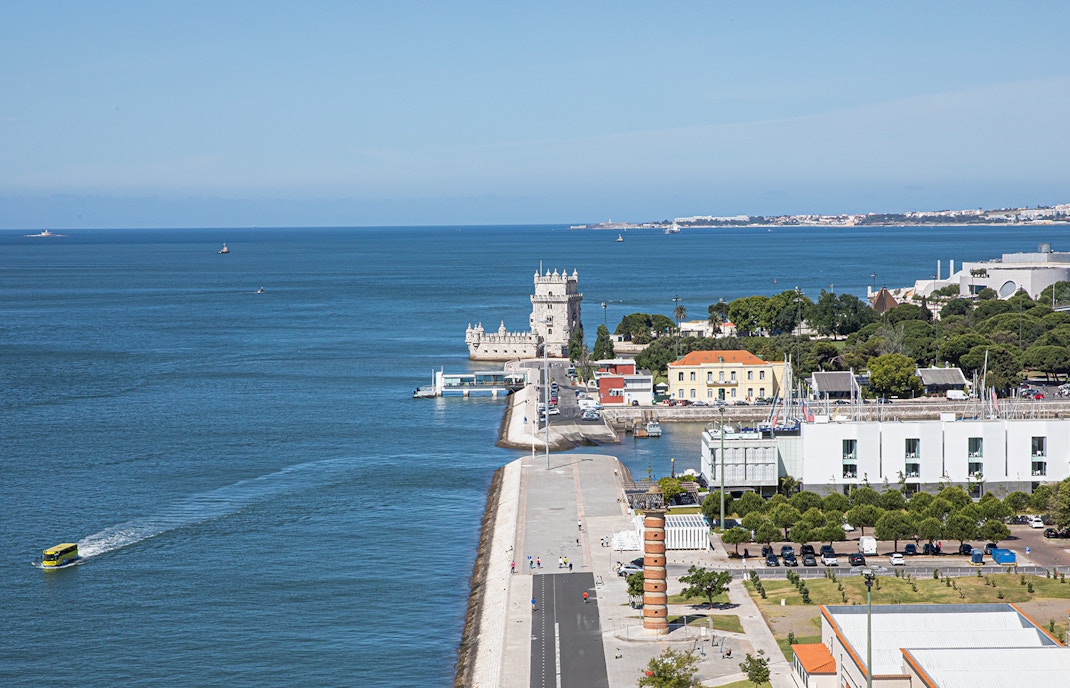
Belém Tower originally sat on a tiny island in the middle of the Tagus River. But after the catastrophic 1755 Lisbon earthquake, the river's course shifted, and the tower ended up chilling near the shoreline. Survived the quake too. Built differently, literally.
10. It moonlit as a prison for 250 years
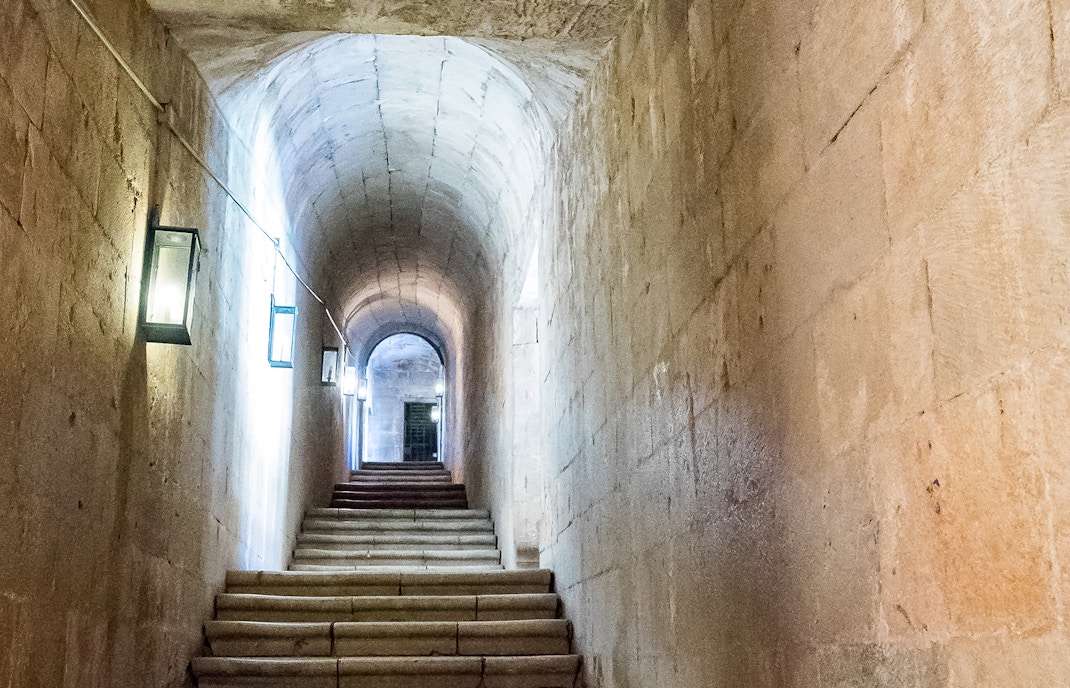
After Spain occupied Portugal in 1580, Belém Tower's damp basement dungeons were used to lock up political prisoners until around 1830. The fortress was technically a prison longer than it ever functioned as a working military post. Plot twist of the century.
9. It is not a Game of Thrones filming location
Time to bust a huge myth. The whole Belém Tower Game of Thrones rumor floating around online? Completely fake news. Belém Tower was never used as a filming location for Game of Thrones. People keep confusing it with a similar-looking tower in Essaouira, Morocco, where the Walk of Punishment scenes were shot.
11. It's had more identities than you know
Belém Tower has been a fortress, ceremonial gateway, lighthouse, customs house, telegraph station, and prison. Around 1810, they slapped a telegraph on top. In 1865, a beacon went on the bulwark and stayed there until 1940. This building has been hustling for five centuries straight.
12. It replaced a literal warship
Before the tower existed, a heavily-armed 1,000-ton ship called the Grande Nau parked itself in the Tagus full-time to guard the city. King Manuel I eventually decided a permanent stone fortress was cheaper than keeping a giant warship floating. Smart financial decision, your majesty.
Frequently asked questions about Belém Tower facts
Belém Tower is famous as a 500-year-old symbol of Portugal's Age of Discovery. It's a UNESCO World Heritage Site, one of the Seven Wonders of Portugal, and a stunning example of Manueline architecture sitting pretty on the Tagus River.
No! Despite the rumors going around, Belém Tower was never a filming location for Game of Thrones. People keep confusing it with a similar tower in Essaouira, Morocco, which is where the Walk of Punishment scenes were actually shot.
Belém Tower is over 500 years old. Construction started in 1514 under King Manuel I and wrapped up around 1520. It's been standing strong through earthquakes, invasions, and centuries of selfies.
The carved rhino is one of the cutest Belém Tower fun facts ever. It's believed to honor Ganda, a real Indian rhinoceros, which King Manuel I gifted to Pope Leo X in 1515. It's the first known stone rhino sculpture in Western European art.
Yes! Belém Tower joined the UNESCO World Heritage Site list back in 1983, paired up with the nearby Jerónimos Monastery.
Originally, Belém Tower was a defensive fortress built to guard Lisbon's harbor from sea invaders during the Age of Discovery. Over the centuries, it pivoted into a ceremonial gateway, prison, customs house, lighthouse, and telegraph station.


